THE ADVENTURE COLLECTIVE® · Independent discovery and booking for outdoor travel

Spend a day at an ethno-aul near Almaty to learn yurt craft, bake bauyrsaks, watch equestrian performances, and try archery. This hands-on cultural experience pairs storytelling with active demonstrations in a foothill steppe setting.
Spend a day at an ethno-aul near Almaty to learn yurt craft, bake bauyrsaks, watch equestrian performances, and try archery. This hands-on cultural experience pairs storytelling with active demonstrations in a foothill steppe setting.
A low ridge of steppe meets the foothills as you step from the minivan into the aul; dry grass whispers and horses shift their weight, as if inviting you into an old routine.
Verified experiences and guided adventures in the surrounding area.
Operated by Almaty Inspiration Tour · Almaty, Almaty Region
A low ridge of steppe meets the foothills as you step from the minivan into the aul; dry grass whispers and horses shift their weight, as if inviting you into an old routine.
This full-day Ethno Huns Village experience places you in the living world of Kazakh nomadic culture just outside Almaty. The compact site reconstructs traditional yurts and household symbols while skilled hosts explain clan motifs and practical geometry of felt-and-wood construction. Geologically, you’re on the lee of the Zailiysky Alatau foothills where seasonal streams carve shallow gullies and the soil keeps the short-steppe grasses that sustained herds for centuries.
Culturally, expect demonstrations of equestrian skill by clubs like Sarbaz Ruhy, folk dance, and tasting of national dishes—bauyrsaks and green tea—followed by participatory classes in pastry-making and archery. The program threads history with hands-on activities: yurt embroidery patterns, stories of seasonal migrations, and an introduction to horseback games once used for hunting and training.
Practically, the day is gentle but active—several short walks on packed earth, standing during shows, and safe, supervised archery. Wear sturdy shoes and sun protection, and plan for a mix of sun and wind off the nearby ranges. Accessibility is good; hosts typically provide shade, bottled water, and a buffet lunch with vegetarian options.
By midday the landscape seems to lean into your presence—the wind testing your hat, the horses acknowledging a new rhythm—making this an instructive, sensory window into Kazakhstan’s nomadic roots.
easy.
6–7 hours.
Light activity: able to stand, walk short distances and participate in low-impact demos
The tour runs about 6–7 hours (420 minutes), typically a full-day outing from Almaty with transport included.
The activity listing notes wheelchair accessibility for transport and main surfaces, but check ahead for any special assistance needs.
Children are welcome; infants must sit on an adult’s lap and some activities have age-appropriate restrictions.
Yes—a buffet lunch with vegetarian options and bottled water are included in the price.
The aul recreates nomadic household life tied to seasonal pastoralism in the Kazakh steppe; yurt construction and horse games evolved from practical migration needs.
The site emphasizes low-impact visitation; bring reusable items and follow guidance to avoid disturbing grazing animals and heritage crafts.
Almaty Inspiration Tour operates guided outdoor trips and adventures with an emphasis on safety, stewardship, and memorable experiences.
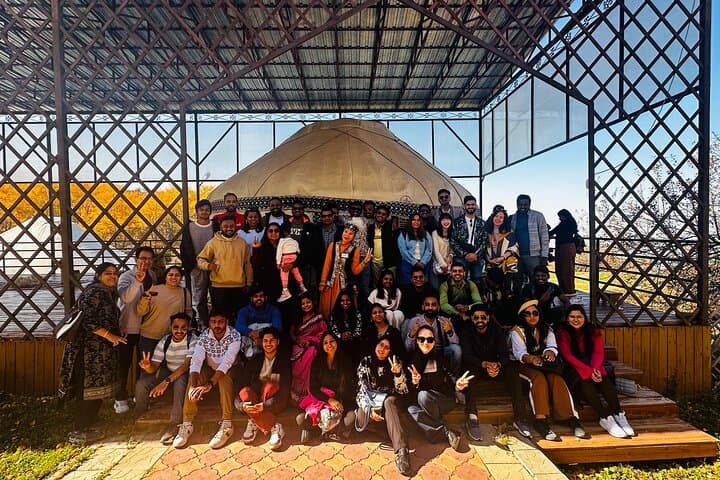
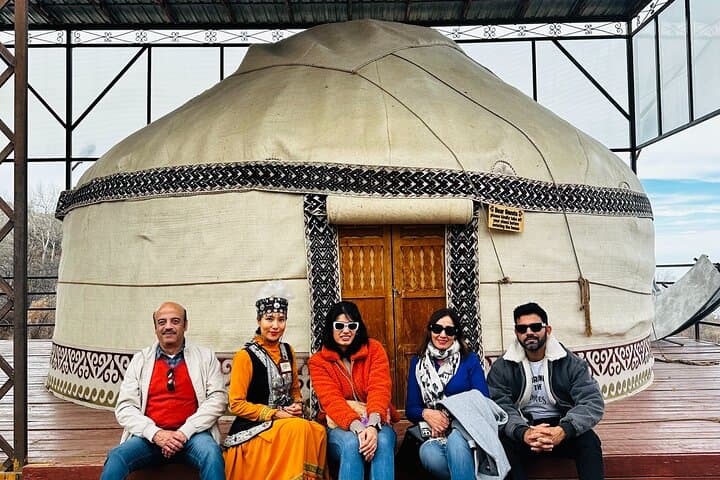
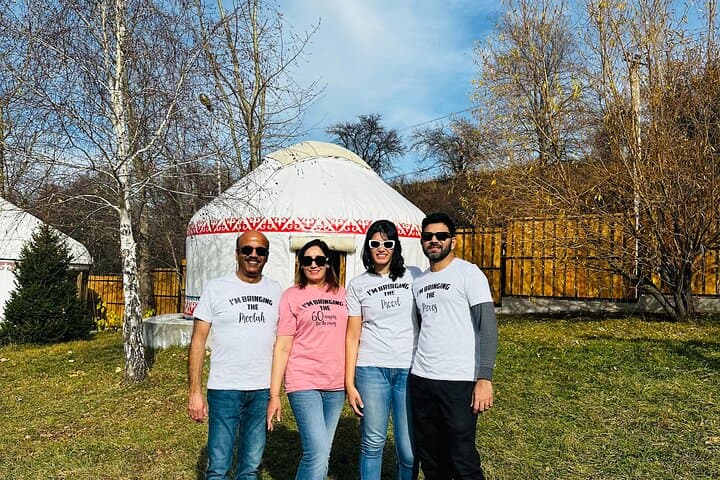
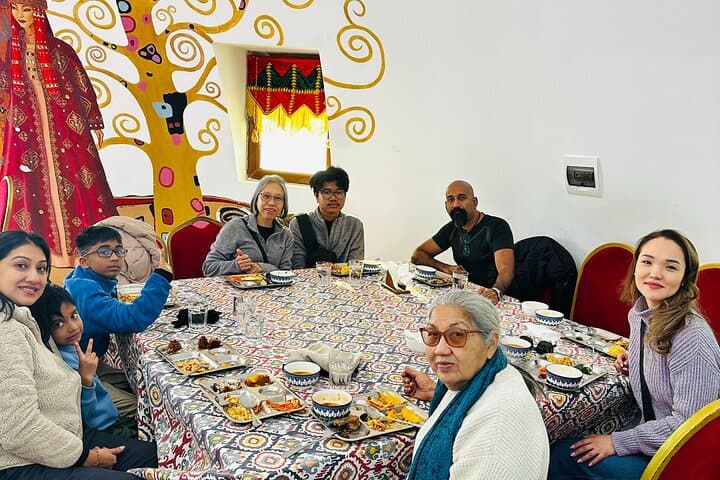
A low ridge of steppe meets the foothills as you step from the minivan into the aul; dry grass whispers and horses shift their weight, as if inviting you into an old routine.
A low ridge of steppe meets the foothills as you step from the minivan into the aul; dry grass whispers and horses shift their weight, as if inviting you into an old routine.
This full-day Ethno Huns Village experience places you in the living world of Kazakh nomadic culture just outside Almaty. The compact site reconstructs traditional yurts and household symbols while skilled hosts explain clan motifs and practical geometry of felt-and-wood construction. Geologically, you’re on the lee of the Zailiysky Alatau foothills where seasonal streams carve shallow gullies and the soil keeps the short-steppe grasses that sustained herds for centuries.
Culturally, expect demonstrations of equestrian skill by clubs like Sarbaz Ruhy, folk dance, and tasting of national dishes—bauyrsaks and green tea—followed by participatory classes in pastry-making and archery. The program threads history with hands-on activities: yurt embroidery patterns, stories of seasonal migrations, and an introduction to horseback games once used for hunting and training.
Practically, the day is gentle but active—several short walks on packed earth, standing during shows, and safe, supervised archery. Wear sturdy shoes and sun protection, and plan for a mix of sun and wind off the nearby ranges. Accessibility is good; hosts typically provide shade, bottled water, and a buffet lunch with vegetarian options.
By midday the landscape seems to lean into your presence—the wind testing your hat, the horses acknowledging a new rhythm—making this an instructive, sensory window into Kazakhstan’s nomadic roots.