THE ADVENTURE COLLECTIVE® · Independent discovery and booking for outdoor travel

Spend a day at a working Argentine estancia about 100 km from Buenos Aires for horse rides, an asado lunch and a folkloric gaucho show. This full-day tour mixes hands-on ranch activities with traditional music and dance.
Spend a day at a working Argentine estancia about 100 km from Buenos Aires for horse rides, an asado lunch and a folkloric gaucho show. This full-day tour mixes hands-on ranch activities with traditional music and dance.
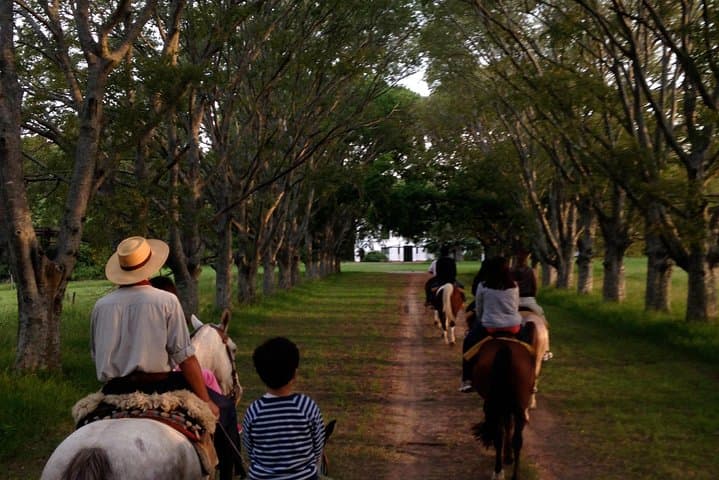
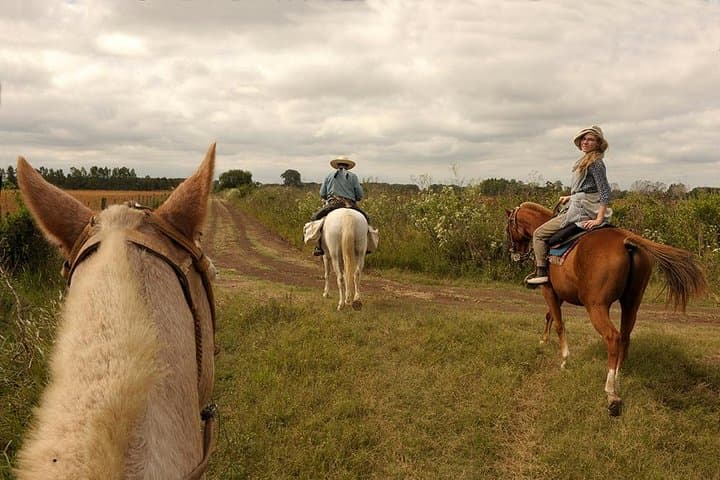
You climb into an air-conditioned van at dawn and the city thins into flat, open pampas—long grass pressing low to the horizon, horses punctuating the light. By mid-morning the estancia appears: a low farmhouse, corrals, and a yard where empanadas steam and mate waits. The mood is hands-on rather than staged; horses nod, gauchos move with practiced calm, and the afternoon fills with music, demonstrations and shared food.
Verified experiences and guided adventures in the surrounding area.
Operated by BAIRESPASS.COM · San Antonio de Areco, Buenos Aires Province
You climb into an air-conditioned van at dawn and the city thins into flat, open pampas—long grass pressing low to the horizon, horses punctuating the light. By mid-morning the estancia appears: a low farmhouse, corrals, and a yard where empanadas steam and mate waits. The mood is hands-on rather than staged; horses nod, gauchos move with practiced calm, and the afternoon fills with music, demonstrations and shared food.
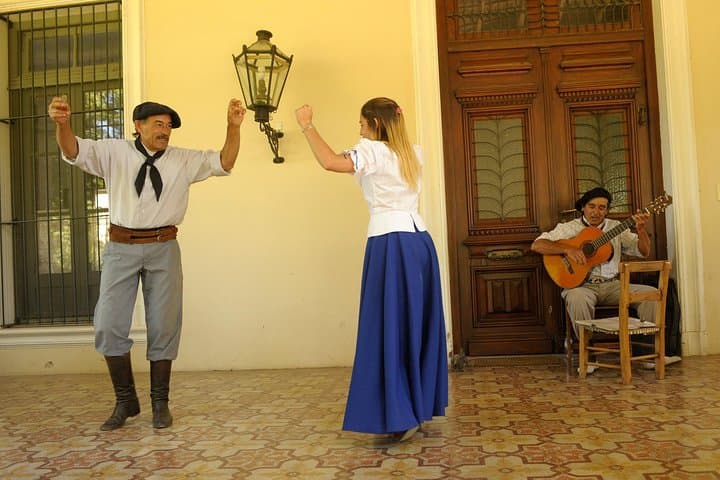
The estancia tradition grew from 19th-century cattle ranching on the Buenos Aires plains; the gaucho emerged as its working horseman, a figure still central to local folklore and folk dance. Geologically the pampas are sedimentary plains—broad, fertile, and favoring grazing—so views are expansive and mostly flat, with the Areco River and small woodlots creating local relief. Culturally expect folk singing, malambo footwork, boleadoras demonstrations and an invitation to join tango steps at lunchtime.
Practicalities: the full-day trip runs roughly 7–8 hours and is about 100 km from Buenos Aires, with hotel pickup in the morning. Activities include short horse rides, carriage/sulky laps, demonstrations of riding skills, pools (seasonal), and an asado lunch with wine and folkloric show; vegetarian options are available by request. Bring closed-toe shoes for riding, sun protection, and a sense of curiosity—the pace is relaxed, with plenty of breaks for photos, tasting and talking with hosts.
Expect family-friendly, low-impact activity with opportunities to observe working horses and traditional crafts. This is a day to trade the city’s rhythm for the measured tempo of the pampas without deep exertion—ideal for travelers seeking hands-on cultural immersion paired with simple outdoor moments.
easy.
7–8 hours.
Suitable for most fitness levels; involves short horseback rides and light walking—ability to mount a horse recommended.
The ranch is approximately 100 km from the city; pickups typically begin between 8:50–9:40 AM from central hotels—confirm your exact pickup time when booking.
Yes—vegetarian options are available but must be requested at time of booking to ensure the kitchen can accommodate them.
No—the pool is generally open seasonally (around Nov 15 to Mar 15); check dates if pool access is important to your visit.
The tour includes transportation, lunch with drinks, folkloric show and many activities; tipping is discretionary but appreciated for guides and staff—small cash tips are customary.
Estancias grew out of 19th-century cattle ranching on the pampas; gauchos became central figures in Argentine rural identity and folk arts.
Many estancias balance tourism with working ranch operations—respect fenced areas, avoid feeding livestock, and follow host guidance to reduce impact.
BAIRESPASS.COM operates guided outdoor trips and adventures with an emphasis on safety, stewardship, and memorable experiences.
You climb into an air-conditioned van at dawn and the city thins into flat, open pampas—long grass pressing low to the horizon, horses punctuating the light. By mid-morning the estancia appears: a low farmhouse, corrals, and a yard where empanadas steam and mate waits. The mood is hands-on rather than staged; horses nod, gauchos move with practiced calm, and the afternoon fills with music, demonstrations and shared food.
You climb into an air-conditioned van at dawn and the city thins into flat, open pampas—long grass pressing low to the horizon, horses punctuating the light. By mid-morning the estancia appears: a low farmhouse, corrals, and a yard where empanadas steam and mate waits. The mood is hands-on rather than staged; horses nod, gauchos move with practiced calm, and the afternoon fills with music, demonstrations and shared food.
The estancia tradition grew from 19th-century cattle ranching on the Buenos Aires plains; the gaucho emerged as its working horseman, a figure still central to local folklore and folk dance. Geologically the pampas are sedimentary plains—broad, fertile, and favoring grazing—so views are expansive and mostly flat, with the Areco River and small woodlots creating local relief. Culturally expect folk singing, malambo footwork, boleadoras demonstrations and an invitation to join tango steps at lunchtime.
Practicalities: the full-day trip runs roughly 7–8 hours and is about 100 km from Buenos Aires, with hotel pickup in the morning. Activities include short horse rides, carriage/sulky laps, demonstrations of riding skills, pools (seasonal), and an asado lunch with wine and folkloric show; vegetarian options are available by request. Bring closed-toe shoes for riding, sun protection, and a sense of curiosity—the pace is relaxed, with plenty of breaks for photos, tasting and talking with hosts.
Expect family-friendly, low-impact activity with opportunities to observe working horses and traditional crafts. This is a day to trade the city’s rhythm for the measured tempo of the pampas without deep exertion—ideal for travelers seeking hands-on cultural immersion paired with simple outdoor moments.