THE ADVENTURE COLLECTIVE® · Independent discovery and booking for outdoor travel

Travel upriver from Panama City to meet the Embera people on their own terms: a full-day cultural visit with river travel, short jungle walks, a waterfall swim and a community-prepared lunch. Learn living traditions while observing guidelines that protect both culture and environment.
Travel upriver from Panama City to meet the Embera people on their own terms: a full-day cultural visit with river travel, short jungle walks, a waterfall swim and a community-prepared lunch. Learn living traditions while observing guidelines that protect both culture and environment.
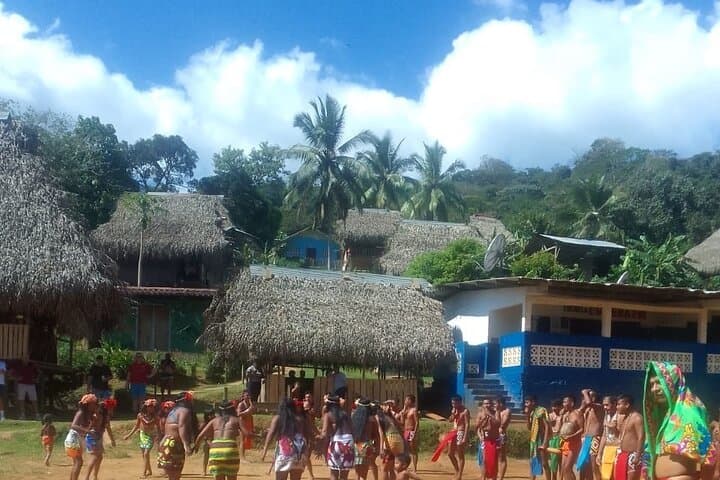
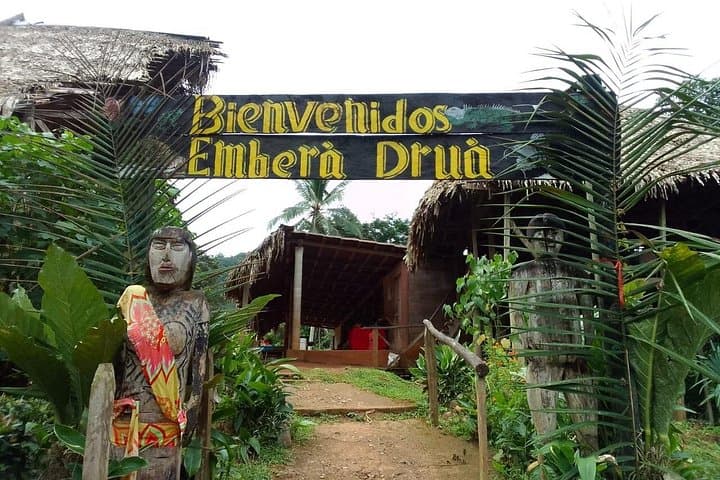
A low-slung motorboat parts the green river like a page being turned; warm spray stings the face and the jungle leans in close. Within an hour from Panama City the noise of the metropolis gives way to birdsong, braided waterways, and the wooden stilt houses of an Embera community. The village sits where the river meets rainforest trails, and the first welcome is often a ritual song or a painted palm handprint.
Verified experiences and guided adventures in the surrounding area.
Operated by Jorge Luis Polanco Fuentes · Gamboa, Panama Province
A low-slung motorboat parts the green river like a page being turned; warm spray stings the face and the jungle leans in close. Within an hour from Panama City the noise of the metropolis gives way to birdsong, braided waterways, and the wooden stilt houses of an Embera community. The village sits where the river meets rainforest trails, and the first welcome is often a ritual song or a painted palm handprint.
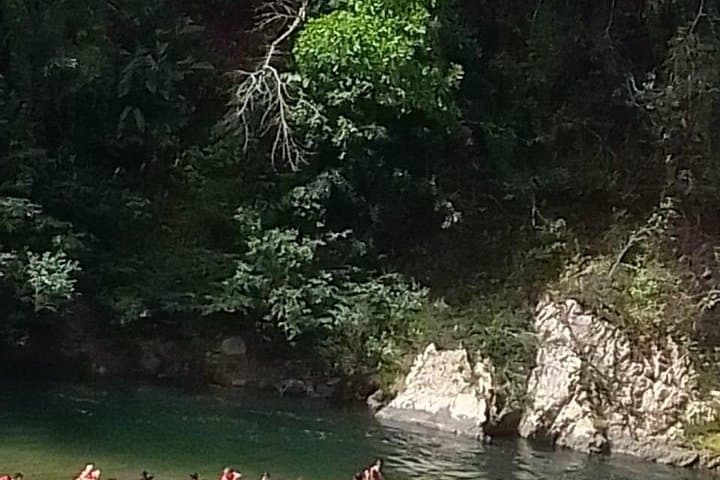
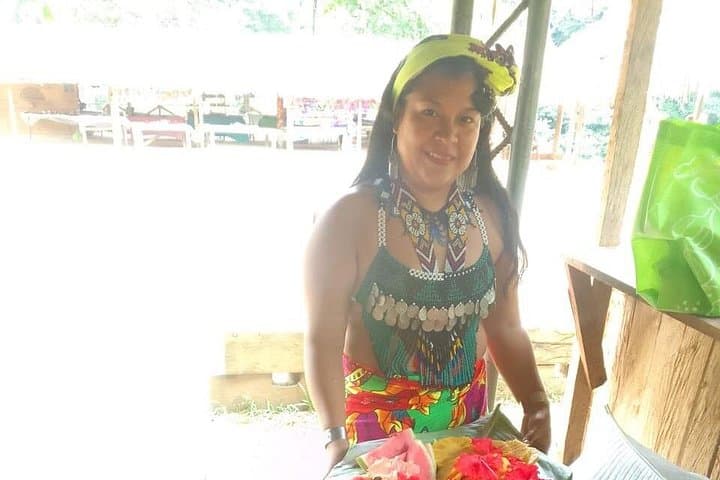
The Embera are one of Panama’s indigenous peoples with a river-centered lifeway: traditional canoes, woven baskets, and body-paint designs that mark identity and story. Geologically the area is carved by the Chagres River and its tributaries—old alluvial terraces, steep riverbanks, and waterfalls fed by tropical rains—creating short, slippery trails and natural pools for a midday swim. Local guides explain medicinal plants, hunting and fishing techniques, and the community’s recent engagement in cultural tourism as a way to sustain traditions.
Practical notes: this is a day trip of roughly six hours including round-trip transport from Panama City, a guided river transfer, short rainforest walks with minimal elevation change, and a community-prepared lunch. Expect wet shoes, shaded riverboat time, and close encounters with howler monkeys and kingfishers. Bring reef-safe sunscreen, insect repellent, modest clothing for cultural respect, cash for handicrafts, and a dry bag for electronics. Follow the village’s rules on photography and support local artisans directly; the experience aims to be immersive and respectful rather than performative.
easy.
6 hours.
Light activity—short flat or gently sloped trails and brief river transfers; suitable for most people who can step on/off a boat and walk 10–20 minutes on uneven ground.
The tour is approximately six hours and typically includes air-conditioned transport from Panama City, a guided riverboat transfer, entrance to the community, a traditional lunch, and local guiding.
Yes—most itineraries include a supervised swim in a natural pool; water conditions vary, so follow guide instructions and wear water shoes.
The tour is family-friendly but requires boarding a small boat and walking short uneven trails, so those with serious mobility issues should check in advance; infant seats may be available for very young children.
Handmade crafts and souvenirs are offered by artisans—bring local cash for purchases and tipping; tipping guides and hosts is appreciated for community support.
The Embera have inhabited riverine zones of Panama for centuries and maintain many traditional crafts, music and canoe-based travel despite historical disruption from colonization and canal construction.
Community-based tourism supports cultural preservation and provides incentives to protect river habitats; visitors should avoid single-use plastics and follow leave-no-trace principles.
Jorge Luis Polanco Fuentes operates guided outdoor trips and adventures with an emphasis on safety, stewardship, and memorable experiences.
A low-slung motorboat parts the green river like a page being turned; warm spray stings the face and the jungle leans in close. Within an hour from Panama City the noise of the metropolis gives way to birdsong, braided waterways, and the wooden stilt houses of an Embera community. The village sits where the river meets rainforest trails, and the first welcome is often a ritual song or a painted palm handprint.
A low-slung motorboat parts the green river like a page being turned; warm spray stings the face and the jungle leans in close. Within an hour from Panama City the noise of the metropolis gives way to birdsong, braided waterways, and the wooden stilt houses of an Embera community. The village sits where the river meets rainforest trails, and the first welcome is often a ritual song or a painted palm handprint.
The Embera are one of Panama’s indigenous peoples with a river-centered lifeway: traditional canoes, woven baskets, and body-paint designs that mark identity and story. Geologically the area is carved by the Chagres River and its tributaries—old alluvial terraces, steep riverbanks, and waterfalls fed by tropical rains—creating short, slippery trails and natural pools for a midday swim. Local guides explain medicinal plants, hunting and fishing techniques, and the community’s recent engagement in cultural tourism as a way to sustain traditions.
Practical notes: this is a day trip of roughly six hours including round-trip transport from Panama City, a guided river transfer, short rainforest walks with minimal elevation change, and a community-prepared lunch. Expect wet shoes, shaded riverboat time, and close encounters with howler monkeys and kingfishers. Bring reef-safe sunscreen, insect repellent, modest clothing for cultural respect, cash for handicrafts, and a dry bag for electronics. Follow the village’s rules on photography and support local artisans directly; the experience aims to be immersive and respectful rather than performative.