THE ADVENTURE COLLECTIVE® · Independent discovery and booking for outdoor travel

See Easter Island’s moai, volcanic craters and palm-fringed Anakena in a single full-day loop from Hanga Roa. This tour pairs accessible short walks with clear archaeological context and a beach break.
See Easter Island’s moai, volcanic craters and palm-fringed Anakena in a single full-day loop from Hanga Roa. This tour pairs accessible short walks with clear archaeological context and a beach break.
You step off the minivan on a basalt shore and the air tastes like salt and wind; the first row of stone faces greets you facing the sea, immovable and watching centuries of surf and sky.
Verified experiences and guided adventures in the surrounding area.
Operated by Anclatourchile · Hanga Roa, Valparaíso Region
You step off the minivan on a basalt shore and the air tastes like salt and wind; the first row of stone faces greets you facing the sea, immovable and watching centuries of surf and sky.
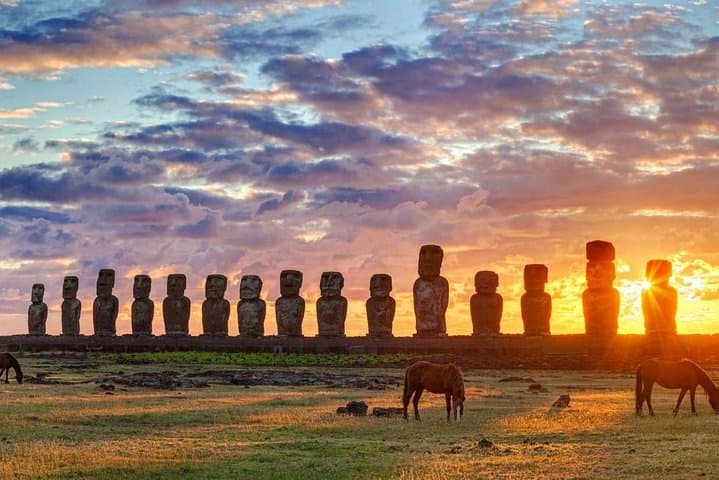
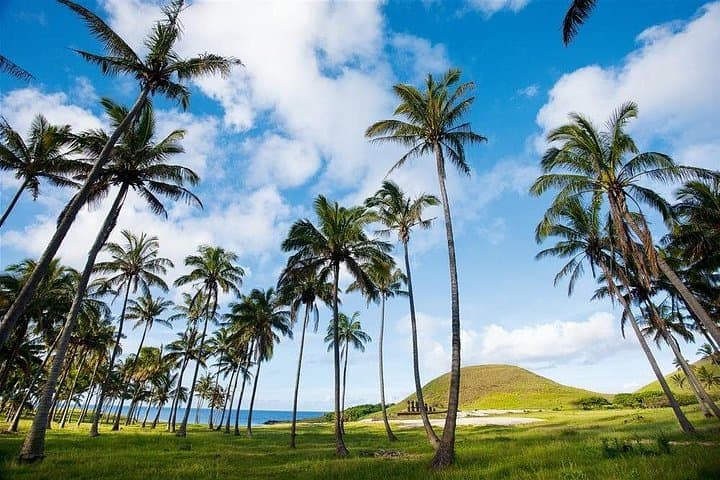
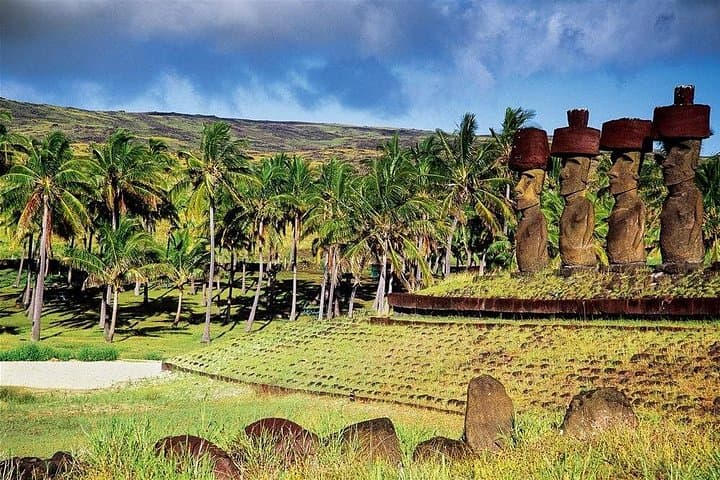
This full-day loop from Hanga Roa threads together the island’s signature places: the quarry slopes of Rano Raraku where hundreds of moai were begun, the restored line of giants at Ahu Tongariki, the ritual village of Orongo perched on a volcanic rim, and the coral sand of Anakena beach.
Geology here is blunt and volcanic — tuff cones, basalt platforms and the hollow bowls of extinct craters shaped the working stone that became the moai. Culturally, Rapa Nui people engineered transport and placement techniques that remain a puzzle; the moai mark ancestor presence and social power across the coastline.
Expect several short walks over uneven, sometimes loose volcanic soil, viewpoints that demand care near cliff edges, and beaches that invite a cooling swim after hours of sight-seeing. Guides usually provide context and local stories, and transfers from Hanga Roa simplify logistics.
Practical edge: carry layered sun protection and a full water bottle, stick to marked trails—archaeological features are fragile and protected—and budget time for photo stops and a beach break at Anakena.
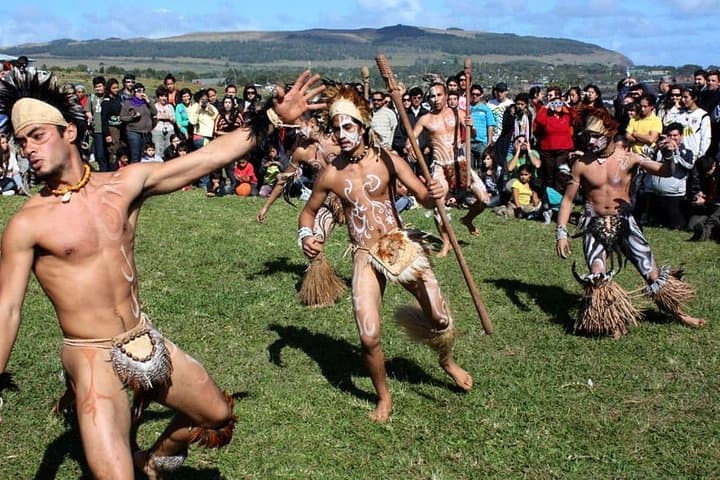
This tour balances accessible interpretation with reverence for a living island culture: you’ll leave with a clear sense of how landscape, craft and ceremony shaped Rapa Nui life, and practical knowledge to explore responsibly on your own afterward.
easy.
6–7 hours.
Able to manage multiple short walks (up to 30 minutes each) on uneven ground and stand for guided explanations.
The tour runs about 6–7 hours and typically visits Rano Raraku, Ahu Tongariki, Akahanga, Ahu Te Pito Kura, and Anakena beach with photo stops and a beach/lunch break.
The tour is rated easy and suitable for most fitness levels; however, some sites have uneven ground and short walks—consider mobility needs when booking.
Yes, Anakena has a swim-friendly bay and picnic areas; lunch is usually self-arranged—bring cash if you plan to buy food on site.
Yes—do not touch, climb, or walk beyond posted barriers. Follow your guide’s instructions to protect fragile archaeological areas.
Rapa Nui society carved and transported moai between roughly 1250–1500 CE; ahu platforms served ritual and communal functions tied to ancestor veneration.
The island’s archaeological sites are fragile and protected; stick to trails, avoid touching artifacts, and support local guides and museums that invest in preservation.
Anclatourchile operates guided outdoor trips and adventures with an emphasis on safety, stewardship, and memorable experiences.
You step off the minivan on a basalt shore and the air tastes like salt and wind; the first row of stone faces greets you facing the sea, immovable and watching centuries of surf and sky.
You step off the minivan on a basalt shore and the air tastes like salt and wind; the first row of stone faces greets you facing the sea, immovable and watching centuries of surf and sky.
This full-day loop from Hanga Roa threads together the island’s signature places: the quarry slopes of Rano Raraku where hundreds of moai were begun, the restored line of giants at Ahu Tongariki, the ritual village of Orongo perched on a volcanic rim, and the coral sand of Anakena beach.
Geology here is blunt and volcanic — tuff cones, basalt platforms and the hollow bowls of extinct craters shaped the working stone that became the moai. Culturally, Rapa Nui people engineered transport and placement techniques that remain a puzzle; the moai mark ancestor presence and social power across the coastline.
Expect several short walks over uneven, sometimes loose volcanic soil, viewpoints that demand care near cliff edges, and beaches that invite a cooling swim after hours of sight-seeing. Guides usually provide context and local stories, and transfers from Hanga Roa simplify logistics.
Practical edge: carry layered sun protection and a full water bottle, stick to marked trails—archaeological features are fragile and protected—and budget time for photo stops and a beach break at Anakena.
This tour balances accessible interpretation with reverence for a living island culture: you’ll leave with a clear sense of how landscape, craft and ceremony shaped Rapa Nui life, and practical knowledge to explore responsibly on your own afterward.