THE ADVENTURE COLLECTIVE® · Independent discovery and booking for outdoor travel

Trace the final chapter of Rapa Nui’s island rituals on a private full-day tour to Orongo, Rano Kau, Tahai and the island’s quarries. Expect dramatic coastal rims, volcanic geology and close-up archaeology with a local guide.
Trace the final chapter of Rapa Nui’s island rituals on a private full-day tour to Orongo, Rano Kau, Tahai and the island’s quarries. Expect dramatic coastal rims, volcanic geology and close-up archaeology with a local guide.
Stand on the rim of Rano Kau and the wind pulls at your jacket as the crater drops away: a 1.5-kilometer bowl of peat, endemic plants and a small freshwater lake where generations of Rapa Nui once sourced water. From this high edge the ceremonial village of Orongo sits like a deliberate punctuation mark — carved stone houses and petroglyphs that marked the island’s most perilous rite, the Tangata Manu or Birdman competition.
Verified experiences and guided adventures in the surrounding area.
Operated by Kava Kava Tours · Hanga Roa, Valparaíso Region
Stand on the rim of Rano Kau and the wind pulls at your jacket as the crater drops away: a 1.5-kilometer bowl of peat, endemic plants and a small freshwater lake where generations of Rapa Nui once sourced water. From this high edge the ceremonial village of Orongo sits like a deliberate punctuation mark — carved stone houses and petroglyphs that marked the island’s most perilous rite, the Tangata Manu or Birdman competition.
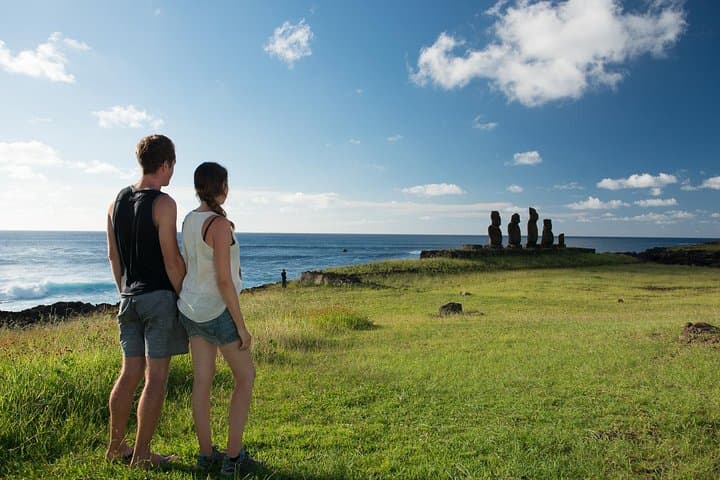
Geology here is raw: basalt flows sculpted by volcanic cones, red scoria from Puna Pau and the raised coastal platforms where moai were erected. Archaeology threads through the landscape — Ahu Akivi’s seaward-facing moai, the restored platforms at Tahai, and the quarry with unfinished pukao that show how stone shaped ritual and transport.
Culturally, the tour walks you through the last phase before evangelization: how leaders competed for status through the Birdman ceremony, and how later excavation and restoration by archaeologists and the Rapa Nui community returned standing moai to their places.
Practically, expect a full-day loop from Hanga Roa with private transport and bottled water included. Trails are short but uneven; stairs and sharp volcanic rock are common. Photographers find early light at Tahai or sunset views over Hanga Roa; Orongo demands steady footing and a slow pace to read the petroglyphs. Wear sun protection, comfortable walking shoes, and carry layers — coastal wind can change in minutes. Guides contextualize sites and local lore, leaving time for quiet observation of seabirds and the crater’s flora.
easy.
6 hours.
Suitable for most fitness levels; involves short walks on uneven, sometimes steep ground
The private tour runs about six hours and typically includes private transport, a guide, bottled water and entrance to the listed archaeological sites.
No — the itinerary is rated easy, but sites have uneven volcanic surfaces and short stair sections; comfortable shoes are recommended.
Private tours are flexible; many operators will adjust pickup times to capture sunrise or sunset shots at Tahai or along the coast if requested in advance.
Most private tours include admission to main sites, but confirm with the operator when booking to avoid surprises.
Orongo was the ceremonial center of the Tangata Manu (Birdman) cult — an annual competition that replaced earlier moai-centric rituals as social systems shifted on Rapa Nui.
Rapa Nui National Park is a UNESCO site; visitors should stay on marked paths, avoid touching petroglyphs and support local guides to reduce erosion and cultural damage.
Kava Kava Tours operates guided outdoor trips and adventures with an emphasis on safety, stewardship, and memorable experiences.
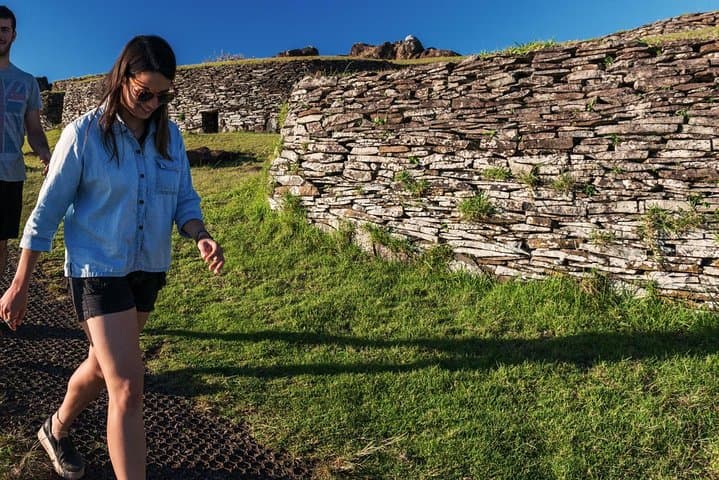
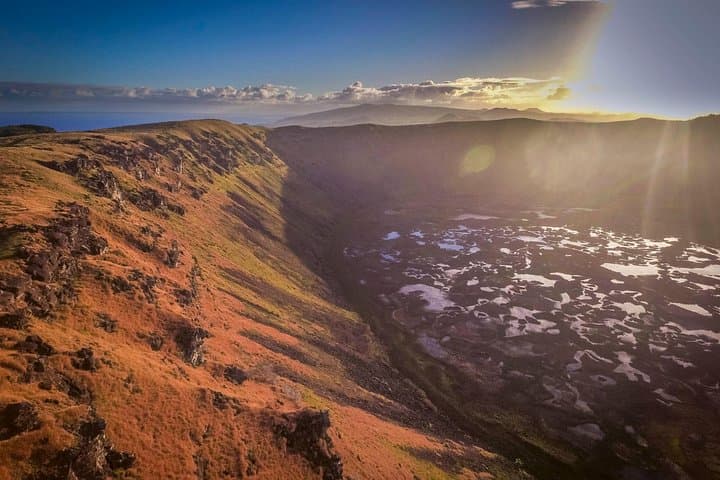
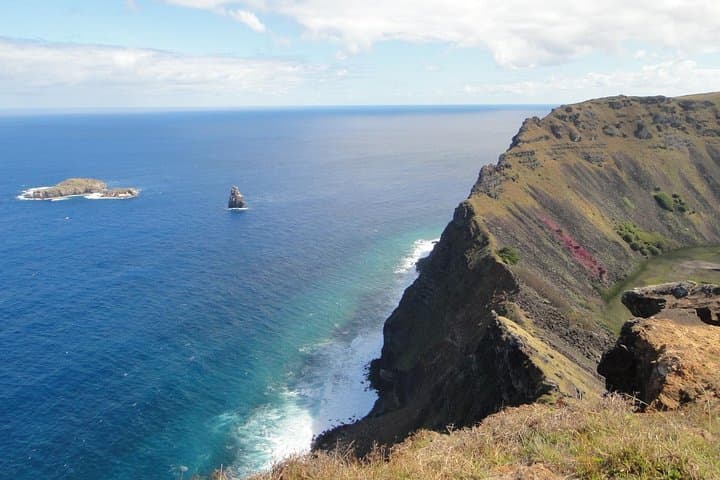
Stand on the rim of Rano Kau and the wind pulls at your jacket as the crater drops away: a 1.5-kilometer bowl of peat, endemic plants and a small freshwater lake where generations of Rapa Nui once sourced water. From this high edge the ceremonial village of Orongo sits like a deliberate punctuation mark — carved stone houses and petroglyphs that marked the island’s most perilous rite, the Tangata Manu or Birdman competition.
Stand on the rim of Rano Kau and the wind pulls at your jacket as the crater drops away: a 1.5-kilometer bowl of peat, endemic plants and a small freshwater lake where generations of Rapa Nui once sourced water. From this high edge the ceremonial village of Orongo sits like a deliberate punctuation mark — carved stone houses and petroglyphs that marked the island’s most perilous rite, the Tangata Manu or Birdman competition.
Geology here is raw: basalt flows sculpted by volcanic cones, red scoria from Puna Pau and the raised coastal platforms where moai were erected. Archaeology threads through the landscape — Ahu Akivi’s seaward-facing moai, the restored platforms at Tahai, and the quarry with unfinished pukao that show how stone shaped ritual and transport.
Culturally, the tour walks you through the last phase before evangelization: how leaders competed for status through the Birdman ceremony, and how later excavation and restoration by archaeologists and the Rapa Nui community returned standing moai to their places.
Practically, expect a full-day loop from Hanga Roa with private transport and bottled water included. Trails are short but uneven; stairs and sharp volcanic rock are common. Photographers find early light at Tahai or sunset views over Hanga Roa; Orongo demands steady footing and a slow pace to read the petroglyphs. Wear sun protection, comfortable walking shoes, and carry layers — coastal wind can change in minutes. Guides contextualize sites and local lore, leaving time for quiet observation of seabirds and the crater’s flora.