THE ADVENTURE COLLECTIVE® · Independent discovery and booking for outdoor travel

Cycle Kyoto by e‑bike and move beyond the tourist trail—from Toji’s pagoda to the Philosopher’s Path and hidden geisha alleys. This full‑day ride blends cultural context, gentle exercise, and local insights for a grounded, immersive city adventure.
Cycle Kyoto by e‑bike and move beyond the tourist trail—from Toji’s pagoda to the Philosopher’s Path and hidden geisha alleys. This full‑day ride blends cultural context, gentle exercise, and local insights for a grounded, immersive city adventure.
You start under the shadow of Toji’s five‑story pagoda, the wooden tower rising like a timekeeper above the quiet morning streets. The city opens around you as you pedal—riverside paths, narrow machiya alleys, and temple gates punctuating a route that moves between urban life and calmer, centuries-old spaces.
Verified experiences and guided adventures in the surrounding area.
Operated by Jaime · Kyoto, Kyoto Prefecture
You start under the shadow of Toji’s five‑story pagoda, the wooden tower rising like a timekeeper above the quiet morning streets. The city opens around you as you pedal—riverside paths, narrow machiya alleys, and temple gates punctuating a route that moves between urban life and calmer, centuries-old spaces.
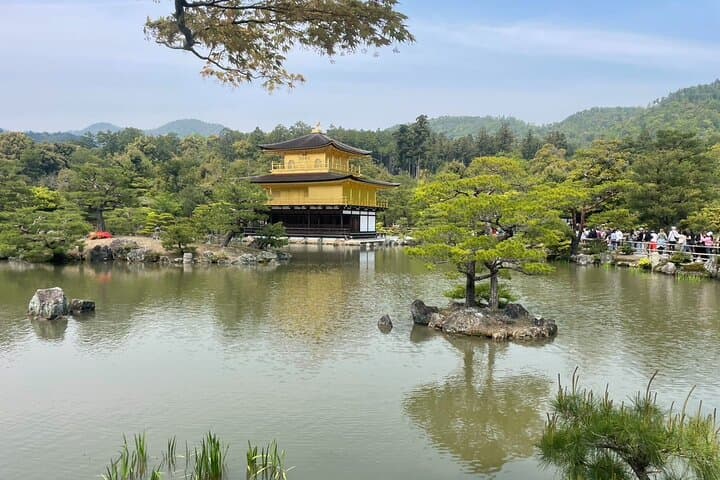
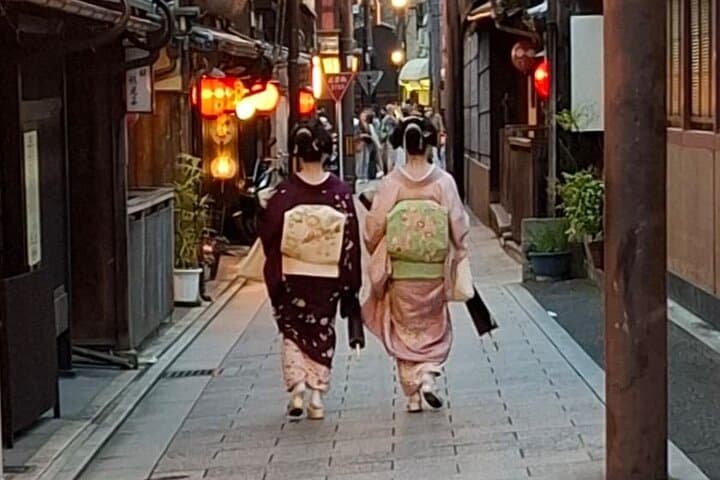
This route threads through Kyoto’s layered history: Heian-era court influence, the Muromachi aesthetic of Ginkaku‑ji, and the Meiji-era engineering story told at the Biwa Canal Museum. Geologically the city sits on an old basin fed by the Kamo River, which shapes the plain and gives the Philosopher’s Path its canal-side charm. Culturally, expect ritualed temple courtyards, wooden machiya facades, and neighborhoods where geiko traditions still surface in lantern-lit evenings.
Practical guidance is clear: the tour covers about 30–35 km over mostly flat city streets and dedicated riverside paths, made accessible by provided e‑bikes that smooth short climbs and headwinds. Wear closed-toe shoes, carry layered rain protection, and plan for frequent photo and walking stops—temple grounds require you to park and walk quietly. Bring cash for small shrine fees or snacks, and aim for an early start to avoid midday crowds along the Philosopher’s Path and Gion.
Riding here is urban exploration with a quieter pace: the river dares you forward, alleys offer sudden glimpses into everyday Kyoto, and the guide connects the architecture and stories that make the city more than a checklist of sights.
moderate.
7–8 hours.
Moderate fitness; comfortable sitting and pedaling for several hours and handling urban bike traffic is required.
Yes—e‑bikes are included. Guides give a brief orientation on battery modes, braking and safe urban riding before you start.
Yes, if you have basic bike handling skills and a moderate level of fitness; the e‑bike assist helps on longer stretches and mild inclines.
Many small‑group Kyoto tours are led in English by local guides; check the booking page for language specifics and request accommodations if needed.
This tour offers full refunds if canceled at least 24 hours before departure; operators may cancel for bad weather and provide alternatives or refunds.
Kyoto served as Japan’s capital for over a millennium; many sites on the route—Toji, Nanzenji, Ginkaku‑ji—play roles in religious and architectural chapters of that history.
Stay on designated paths and avoid stepping on temple moss gardens; using e‑bikes reduces local emissions, and bringing reusable water bottles cuts single‑use plastic waste.
Jaime operates guided outdoor trips and adventures with an emphasis on safety, stewardship, and memorable experiences.
You start under the shadow of Toji’s five‑story pagoda, the wooden tower rising like a timekeeper above the quiet morning streets. The city opens around you as you pedal—riverside paths, narrow machiya alleys, and temple gates punctuating a route that moves between urban life and calmer, centuries-old spaces.
You start under the shadow of Toji’s five‑story pagoda, the wooden tower rising like a timekeeper above the quiet morning streets. The city opens around you as you pedal—riverside paths, narrow machiya alleys, and temple gates punctuating a route that moves between urban life and calmer, centuries-old spaces.
This route threads through Kyoto’s layered history: Heian-era court influence, the Muromachi aesthetic of Ginkaku‑ji, and the Meiji-era engineering story told at the Biwa Canal Museum. Geologically the city sits on an old basin fed by the Kamo River, which shapes the plain and gives the Philosopher’s Path its canal-side charm. Culturally, expect ritualed temple courtyards, wooden machiya facades, and neighborhoods where geiko traditions still surface in lantern-lit evenings.
Practical guidance is clear: the tour covers about 30–35 km over mostly flat city streets and dedicated riverside paths, made accessible by provided e‑bikes that smooth short climbs and headwinds. Wear closed-toe shoes, carry layered rain protection, and plan for frequent photo and walking stops—temple grounds require you to park and walk quietly. Bring cash for small shrine fees or snacks, and aim for an early start to avoid midday crowds along the Philosopher’s Path and Gion.
Riding here is urban exploration with a quieter pace: the river dares you forward, alleys offer sudden glimpses into everyday Kyoto, and the guide connects the architecture and stories that make the city more than a checklist of sights.