THE ADVENTURE COLLECTIVE® · Independent discovery and booking for outdoor travel

Spend a day moving between Doha’s modern waterfront and the quieter northern coast. Visit the mangroves and Purple Island, explore Al Khor’s pearling past and tour the UNESCO site at Al Zubarah—an archaeology-rich glimpse into Qatar’s trading history.
Spend a day moving between Doha’s modern waterfront and the quieter northern coast. Visit the mangroves and Purple Island, explore Al Khor’s pearling past and tour the UNESCO site at Al Zubarah—an archaeology-rich glimpse into Qatar’s trading history.
You step onto the Corniche as the city wakes: glass towers glint, seawater pushes lightly against the promenade, and the Museum of Islamic Art sits like a carved vault at the water’s edge. The morning’s air is oddly cool for the desert, and shortly you’re in an air‑conditioned vehicle heading north — past reclaimed islands and manicured bays — toward a coastline that keeps older, quieter stories.
Verified experiences and guided adventures in the surrounding area.
Operated by Doha Tourism · Doha, Doha
You step onto the Corniche as the city wakes: glass towers glint, seawater pushes lightly against the promenade, and the Museum of Islamic Art sits like a carved vault at the water’s edge. The morning’s air is oddly cool for the desert, and shortly you’re in an air‑conditioned vehicle heading north — past reclaimed islands and manicured bays — toward a coastline that keeps older, quieter stories.
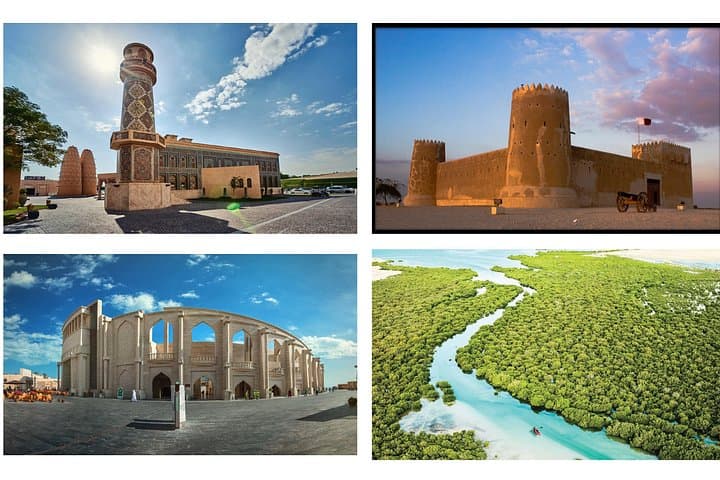
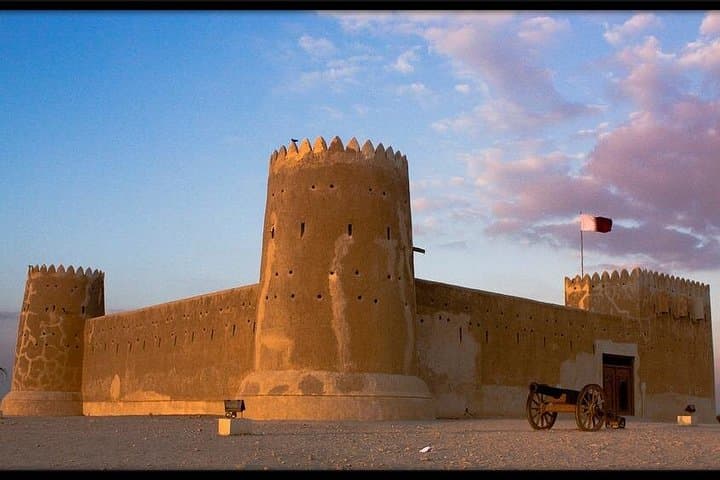
North Qatar unspools differently from Doha. Al Khor’s harbor still shows dhows tied low to the quay; its past as a pearling and fishing hub is visible in weathered buildings and the local museum. Mangrove fingers at Al Thakhira and Purple Island cling to mudflats and give refuge to wading birds; they dare you to look closer at a coastline that keeps half of itself underwater. Further northwest, the stone walls of Al Zubarah Fort rise above a wind-swept plain — archaeology and ruined houses that reveal a trading port whose fortunes shaped the peninsula.
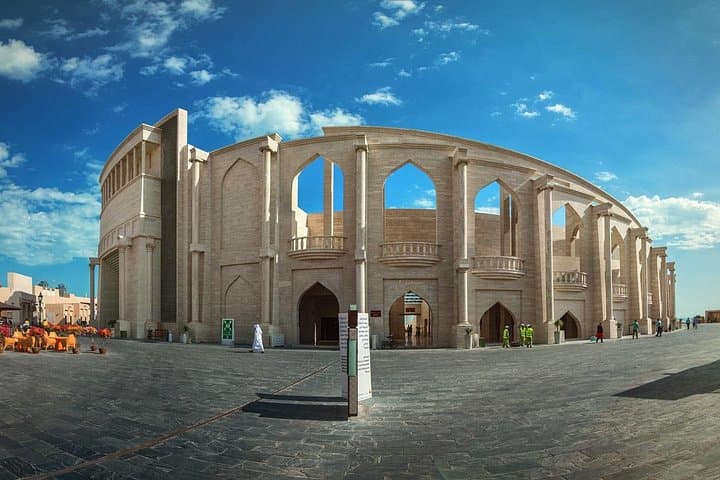
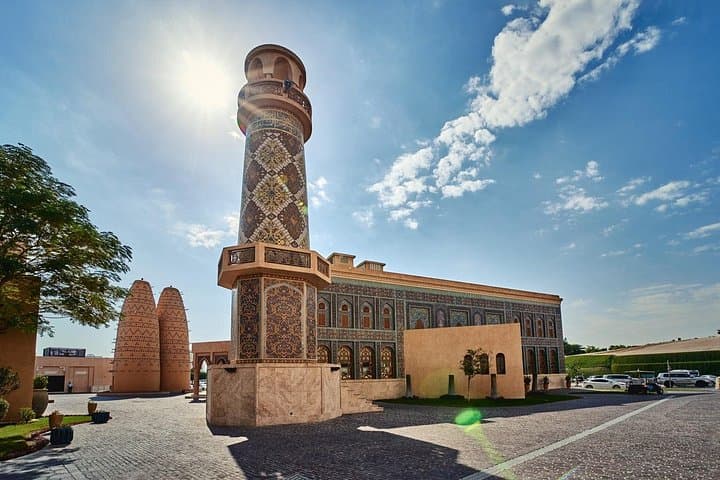
Along the route you’ll touch modern culture too: the buzz of Souq Waqif, the cultural precinct of Katara and Doha’s skyline districts. The tour balances short walks with longer drives; museum entrances are extra (about $15 at MIA and Zubarah). Practicalities matter: expect 6–7 hours on the road, shaded breaks, and some short, uneven walking at archaeological sites.
Bring sun protection, a refillable bottle, and a camera with a telephoto for birds. If you prefer calmer tempo, ask for slower stops at mangrove viewpoints. The trip is part cultural primer, part natural escape — a compact way to read Qatar’s coastline, industry and heritage in a single day.
easy.
6–7 hours.
Suitable for most fitness levels; involves short walks (10–45 minutes) and standing at exhibits, but no strenuous hiking.
The tour runs about 6–7 hours and combines Doha highlights (Corniche, Souq Waqif, cultural precincts) with North Qatar sites including Al Khor, mangroves, Purple Island and Al Zubarah Fort.
No — museum entrances such as the Museum of Islamic Art and Al Zubarah’s museum are typically extra (around $15 each) and paid on arrival.
Yes — the route is family‑friendly with short walks; vehicles are air‑conditioned and some stops have shaded areas, but keep children protected from sun and heat.
On exceptionally clear days you can see parts of Bahrain from elevated viewpoints near Al Shamal, but visibility depends on weather and haze.
Al Zubarah was a bustling 18th–19th century trading and pearling port; its fort and ruined townscape are now an archaeological UNESCO World Heritage Site.
Qatar’s mangrove areas are protected as important coastal ecosystems; visitors should avoid trampling roots and keep to marked paths to prevent erosion and wildlife disturbance.
Doha Tourism operates guided outdoor trips and adventures with an emphasis on safety, stewardship, and memorable experiences.
You step onto the Corniche as the city wakes: glass towers glint, seawater pushes lightly against the promenade, and the Museum of Islamic Art sits like a carved vault at the water’s edge. The morning’s air is oddly cool for the desert, and shortly you’re in an air‑conditioned vehicle heading north — past reclaimed islands and manicured bays — toward a coastline that keeps older, quieter stories.
You step onto the Corniche as the city wakes: glass towers glint, seawater pushes lightly against the promenade, and the Museum of Islamic Art sits like a carved vault at the water’s edge. The morning’s air is oddly cool for the desert, and shortly you’re in an air‑conditioned vehicle heading north — past reclaimed islands and manicured bays — toward a coastline that keeps older, quieter stories.
North Qatar unspools differently from Doha. Al Khor’s harbor still shows dhows tied low to the quay; its past as a pearling and fishing hub is visible in weathered buildings and the local museum. Mangrove fingers at Al Thakhira and Purple Island cling to mudflats and give refuge to wading birds; they dare you to look closer at a coastline that keeps half of itself underwater. Further northwest, the stone walls of Al Zubarah Fort rise above a wind-swept plain — archaeology and ruined houses that reveal a trading port whose fortunes shaped the peninsula.
Along the route you’ll touch modern culture too: the buzz of Souq Waqif, the cultural precinct of Katara and Doha’s skyline districts. The tour balances short walks with longer drives; museum entrances are extra (about $15 at MIA and Zubarah). Practicalities matter: expect 6–7 hours on the road, shaded breaks, and some short, uneven walking at archaeological sites.
Bring sun protection, a refillable bottle, and a camera with a telephoto for birds. If you prefer calmer tempo, ask for slower stops at mangrove viewpoints. The trip is part cultural primer, part natural escape — a compact way to read Qatar’s coastline, industry and heritage in a single day.