THE ADVENTURE COLLECTIVE® · Independent discovery and booking for outdoor travel

Glide through Musandam’s jagged fjords aboard a traditional dhow for a full-day exploration of turquoise waters, snorkeling stops and dolphin sightings. This practical guide covers what to expect, local history and how to prepare for the day.
Glide through Musandam’s jagged fjords aboard a traditional dhow for a full-day exploration of turquoise waters, snorkeling stops and dolphin sightings. This practical guide covers what to expect, local history and how to prepare for the day.
You step from Khasab's small harbor onto a timber dhow that rocks gently against a backdrop of serrated mountains. Salt-slick wind cuts across the deck while gulls wheel above narrow fjord mouths; the water below is a clear, shifting blue that dares you to jump in. Over the next five to six hours the dhow threads a 16 km Khor—Musandam’s carved inlet—pausing at white-sand coves and offshore reefs where dolphins often put on a show.
Verified experiences and guided adventures in the surrounding area.
Operated by Oman Day Tours · Khasab, Musandam
You step from Khasab's small harbor onto a timber dhow that rocks gently against a backdrop of serrated mountains. Salt-slick wind cuts across the deck while gulls wheel above narrow fjord mouths; the water below is a clear, shifting blue that dares you to jump in. Over the next five to six hours the dhow threads a 16 km Khor—Musandam’s carved inlet—pausing at white-sand coves and offshore reefs where dolphins often put on a show.
Geology here is dramatic: uplifted limestone and volcanic outcrops create steep cliffs that plunge straight into the sea, carved by ancient tectonic forces and ongoing wave action. Historically the Musandam peninsula controlled trade routes in the Strait of Hormuz; remnants like Telegraph Island hint at the area’s 19th-century maritime importance. Local culture is maritime and hospitality-focused—crew members typically come from coastal communities and share simple onboard meals.
Practically, expect a relaxed, family-friendly day: round-trip transfers, lunch, bottled water and national park fees are usually included. Snorkeling stops bring you into clear shallows crowded with colorful reef fish; lifejackets and basic guidance are provided. Seas can be calm or choppy—morning departures often offer the smoothest water and the best chance to spot dolphins near the fjord entrance.
Plan for sun, salty spray and limited shade: bring reef-safe sunscreen, hat, a wind layer and reef shoes for rocky landings. Cameras with waterproof covers or dry bags work best. The cruise is accessible for most fitness levels but carries typical small-boat limitations—motion sensitivity and brief rocky steps when boarding or going ashore.
easy.
5–6 hours.
Suitable for most fitness levels; requires ability to step on/off a small boat and stand on deck for periods
No—basic snorkeling is optional. Guides typically brief beginners and provide lifejackets; you can stay on board if you prefer.
Yes—lunch and bottled water are commonly included, but bring snacks if you have dietary restrictions and inform the operator at booking.
Most tours include round-trip pickup from Khasab hotels and the port; confirm pickup details and times at booking.
Bring preventative medication and sit mid-ship for less motion; crew can help with shade and fresh water to make you comfortable.
Musandam’s fjords were formed by tectonic uplift and erosion; Telegraph Island marks the 19th-century submarine cable route linking the Gulf to British networks.
This area is ecologically sensitive—avoid touching coral, use reef-safe sunscreen, and follow crew guidance to minimize disturbance to marine life.
Oman Day Tours operates guided outdoor trips and adventures with an emphasis on safety, stewardship, and memorable experiences.
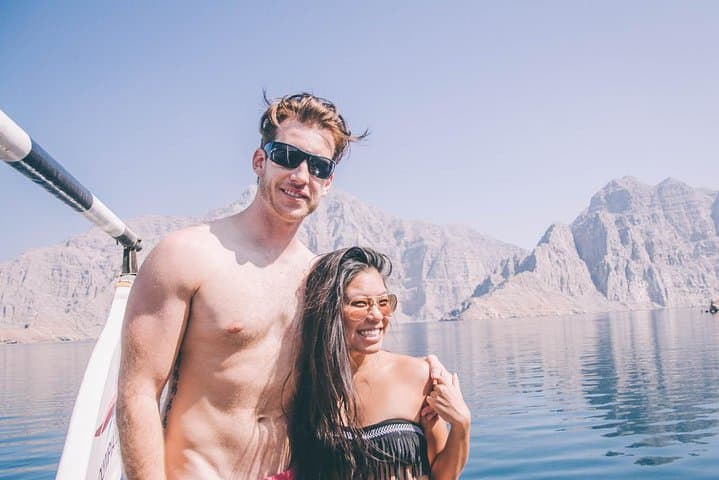
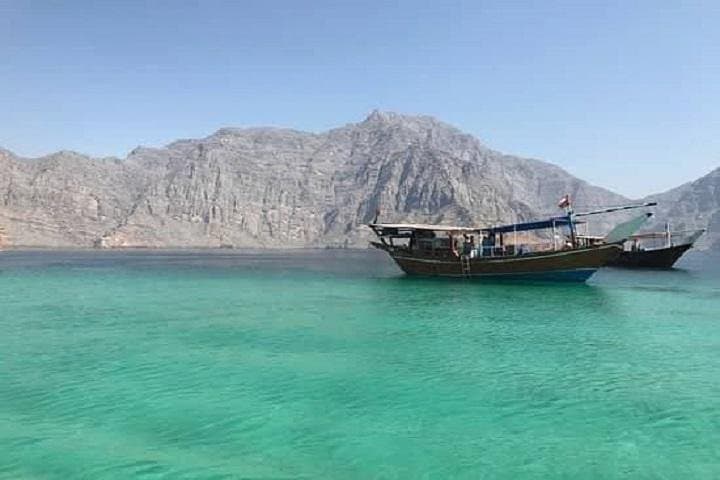
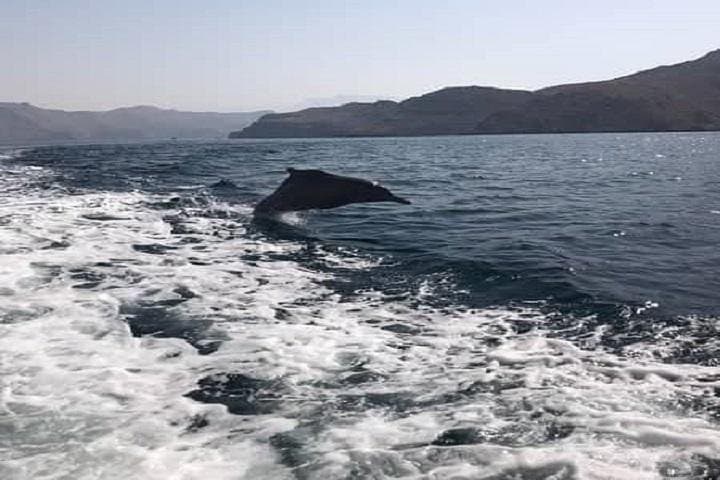
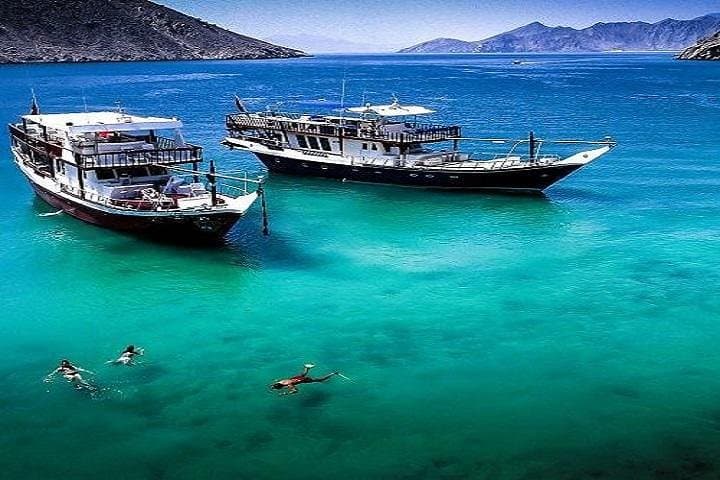
You step from Khasab's small harbor onto a timber dhow that rocks gently against a backdrop of serrated mountains. Salt-slick wind cuts across the deck while gulls wheel above narrow fjord mouths; the water below is a clear, shifting blue that dares you to jump in. Over the next five to six hours the dhow threads a 16 km Khor—Musandam’s carved inlet—pausing at white-sand coves and offshore reefs where dolphins often put on a show.
You step from Khasab's small harbor onto a timber dhow that rocks gently against a backdrop of serrated mountains. Salt-slick wind cuts across the deck while gulls wheel above narrow fjord mouths; the water below is a clear, shifting blue that dares you to jump in. Over the next five to six hours the dhow threads a 16 km Khor—Musandam’s carved inlet—pausing at white-sand coves and offshore reefs where dolphins often put on a show.
Geology here is dramatic: uplifted limestone and volcanic outcrops create steep cliffs that plunge straight into the sea, carved by ancient tectonic forces and ongoing wave action. Historically the Musandam peninsula controlled trade routes in the Strait of Hormuz; remnants like Telegraph Island hint at the area’s 19th-century maritime importance. Local culture is maritime and hospitality-focused—crew members typically come from coastal communities and share simple onboard meals.
Practically, expect a relaxed, family-friendly day: round-trip transfers, lunch, bottled water and national park fees are usually included. Snorkeling stops bring you into clear shallows crowded with colorful reef fish; lifejackets and basic guidance are provided. Seas can be calm or choppy—morning departures often offer the smoothest water and the best chance to spot dolphins near the fjord entrance.
Plan for sun, salty spray and limited shade: bring reef-safe sunscreen, hat, a wind layer and reef shoes for rocky landings. Cameras with waterproof covers or dry bags work best. The cruise is accessible for most fitness levels but carries typical small-boat limitations—motion sensitivity and brief rocky steps when boarding or going ashore.