THE ADVENTURE COLLECTIVE® · Independent discovery and booking for outdoor travel

Explore Dhaka in a single, customizable day: from pre-dawn flower markets and fish stalls to ornate mosques and the bustling Sadarghat riverfront. This full‑day guided tour pairs history with practical local insight.
Explore Dhaka in a single, customizable day: from pre-dawn flower markets and fish stalls to ornate mosques and the bustling Sadarghat riverfront. This full‑day guided tour pairs history with practical local insight.
The day begins before sunrise at a riot of color: vendors arranging marigolds and tuberoses while rickshaws thread between carts. You move through Old Dhaka at the cadence locals set — brisk, noisy and insistently human — from the flower market to the fish stalls that crowd the train tracks at Karan Bazar.
Verified experiences and guided adventures in the surrounding area.
Operated by Bangladesh Epic Tours · Dhaka, Dhaka
The day begins before sunrise at a riot of color: vendors arranging marigolds and tuberoses while rickshaws thread between carts. You move through Old Dhaka at the cadence locals set — brisk, noisy and insistently human — from the flower market to the fish stalls that crowd the train tracks at Karan Bazar.
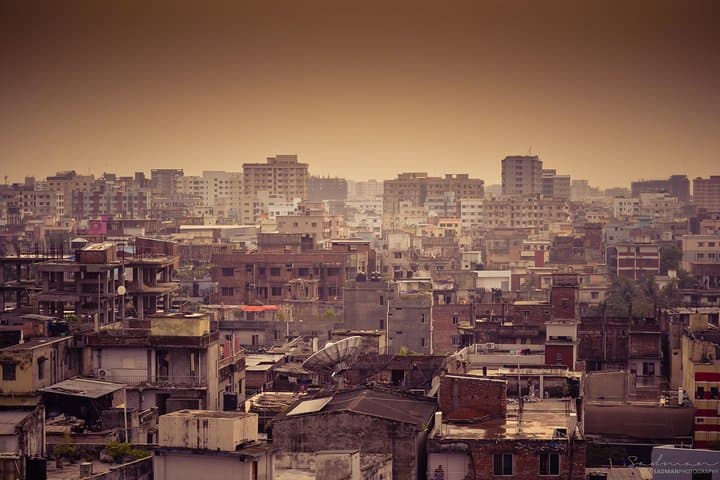
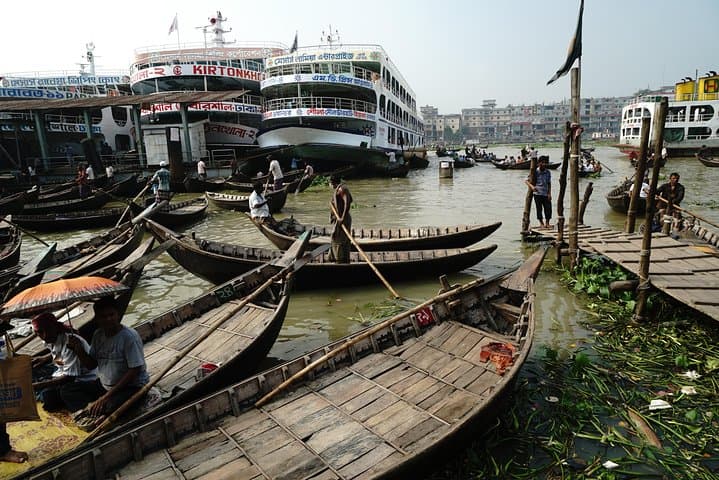
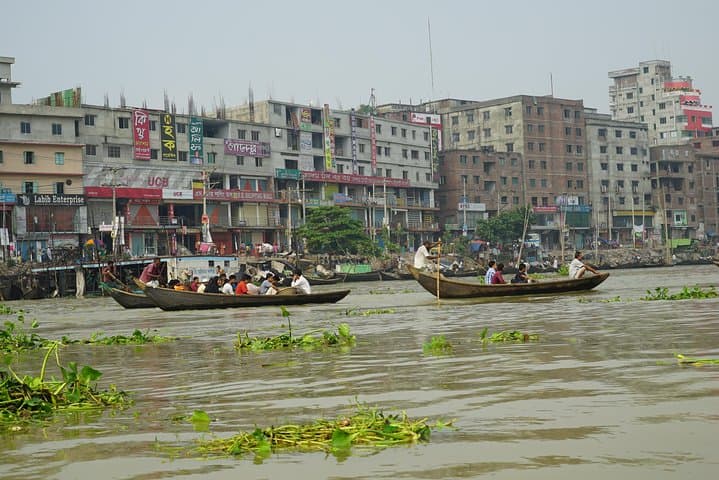
This guided, 10‑hour route stitches together layers of Dhaka’s history. Mughal-era defenses and riverine trade made the city a regional hub; British colonial institutions like Curzon Hall left a different architectural punctuation. Geologically the metropolis sits on the Ganges-Brahmaputra delta, and the Buriganga River still shapes movement and livelihoods at Sadarghat’s ferry ghats.
Culturally the tour is about contrasts: ornate 19th‑century mosques such as the Star Mosque with glittering mosaics, crowded wholesale markets where bargaining is kinetic theater, and quieter academic corners inside Dhaka University.
Practical guidance: the itinerary typically starts at 08:00 with door‑to‑door pickup and is fully customizable — tell your guide your priorities in advance. Expect frequent short walks on uneven surfaces and tight alleys; lightweight, breathable clothing, sun protection and comfortable shoes are essential. Respect prayer times and local dress codes at religious sites (women should carry a scarf). Carry cash for small purchases, bring hand sanitizer for market encounters, and plan for traffic delays between sites. The best photographic light is early morning and late afternoon; midday is hottest and busiest.
A private guide reduces navigation friction and helps interpret the city’s social rhythms — this tour is as much about meeting Dhaka’s present as it is seeing its past.
easy.
10 hours.
Suitable for most travelers able to do multiple short walks and stand in crowded places; no special fitness required
Pickup is typically at 08:00 with a full-day duration of about 10 hours; times can be adjusted when you book.
This tour focuses on outside visits and local markets; entrance fees to specific monuments may not be included—confirm with the operator.
Yes—sites like the Star Mosque allow visitors outside prayer times but require modest dress and respectful behavior.
Yes—it's rated easy and suitable for various ages, though expect crowded areas and some walking; private nature lets guides adapt the pace.
Dhaka grew from Mughal provincial capital to a dense colonial and post‑colonial metropolis; many public buildings reflect Mughal and British periods.
River pollution and urban waste are local issues—use refillable bottles, avoid single‑use plastics, and consider choosing guides that support community initiatives.
Bangladesh Epic Tours operates guided outdoor trips and adventures with an emphasis on safety, stewardship, and memorable experiences.
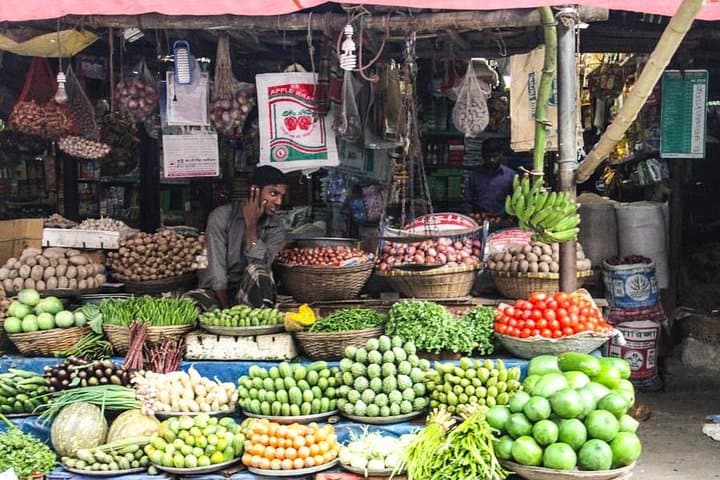
The day begins before sunrise at a riot of color: vendors arranging marigolds and tuberoses while rickshaws thread between carts. You move through Old Dhaka at the cadence locals set — brisk, noisy and insistently human — from the flower market to the fish stalls that crowd the train tracks at Karan Bazar.
The day begins before sunrise at a riot of color: vendors arranging marigolds and tuberoses while rickshaws thread between carts. You move through Old Dhaka at the cadence locals set — brisk, noisy and insistently human — from the flower market to the fish stalls that crowd the train tracks at Karan Bazar.
This guided, 10‑hour route stitches together layers of Dhaka’s history. Mughal-era defenses and riverine trade made the city a regional hub; British colonial institutions like Curzon Hall left a different architectural punctuation. Geologically the metropolis sits on the Ganges-Brahmaputra delta, and the Buriganga River still shapes movement and livelihoods at Sadarghat’s ferry ghats.
Culturally the tour is about contrasts: ornate 19th‑century mosques such as the Star Mosque with glittering mosaics, crowded wholesale markets where bargaining is kinetic theater, and quieter academic corners inside Dhaka University.
Practical guidance: the itinerary typically starts at 08:00 with door‑to‑door pickup and is fully customizable — tell your guide your priorities in advance. Expect frequent short walks on uneven surfaces and tight alleys; lightweight, breathable clothing, sun protection and comfortable shoes are essential. Respect prayer times and local dress codes at religious sites (women should carry a scarf). Carry cash for small purchases, bring hand sanitizer for market encounters, and plan for traffic delays between sites. The best photographic light is early morning and late afternoon; midday is hottest and busiest.
A private guide reduces navigation friction and helps interpret the city’s social rhythms — this tour is as much about meeting Dhaka’s present as it is seeing its past.