THE ADVENTURE COLLECTIVE® · Independent discovery and booking for outdoor travel

Spend a full day away from Cairo exploring Wadi Hitan’s world-class archaeocete fossils and the lakes and falls of Wadi Rayan. This one-day jeep trip combines geology, wildlife viewing, and desert culture with practical guidance for a long but accessible outing.
Spend a full day away from Cairo exploring Wadi Hitan’s world-class archaeocete fossils and the lakes and falls of Wadi Rayan. This one-day jeep trip combines geology, wildlife viewing, and desert culture with practical guidance for a long but accessible outing.
A dust-silk road unfurls beneath the jeep as you leave Cairo’s skyline behind and head into the pale silence of Egypt’s Western Desert. The morning light hits ribbed sandstones and low, fossil-strewn plateaus; wind-sculpted ridges seem to nudge you toward the gravel flats where ancient whales lie half-buried in mineral skin.
Verified experiences and guided adventures in the surrounding area.
Operated by Egypt Budget Tours · Fayoum, Faiyum Governorate
A dust-silk road unfurls beneath the jeep as you leave Cairo’s skyline behind and head into the pale silence of Egypt’s Western Desert. The morning light hits ribbed sandstones and low, fossil-strewn plateaus; wind-sculpted ridges seem to nudge you toward the gravel flats where ancient whales lie half-buried in mineral skin.
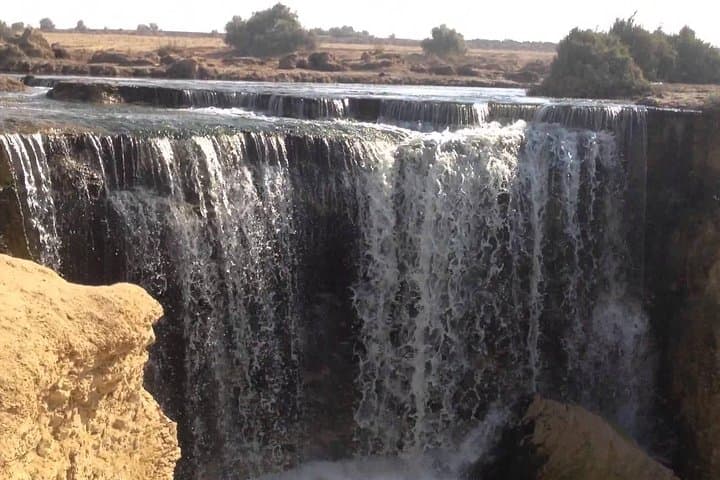
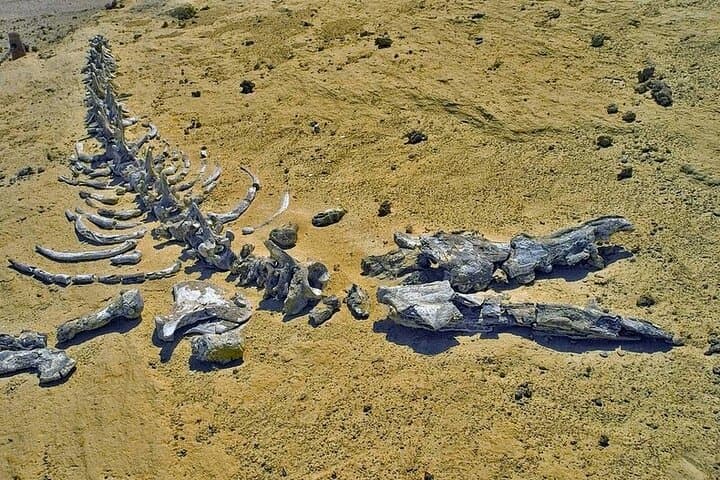
Wadi Hitan — Valley of the Whales — holds articulated archaeocete skeletons that trace the whale’s slow retreat from land to sea. The exposed bones sit on a Pliocene plain; the geology explains more than form, it narrates a deep environmental shift when sea levels and climate rewrote coastlines. Nearby, Wadi Rayan’s twin lakes and seasonal waterfalls contrast the fossil flats with wetland life that draws migratory birds and small desert fauna. Local Bedouin communities and Fayoum’s farming oases add cultural texture: simple desert hospitality, packed lunches, and routes shaped by centuries of travel across sand and limestone.
Practical side: expect a full 8–10 hour day dominated by road travel and short, uneven walks at fossil sites and viewpoints. Wear sun-protective clothing and sturdy shoes for gravel and limestone; carry at least 2 liters of water, a sun hat, and layered clothing for temperature swings. Photography is open but fossils are protected — don’t touch or remove specimens. The trip runs best in cooler hours—early start and late afternoon—and guides provide context, transport, and local insight for a single, concentrated taste of Egypt’s desert history.
moderate.
8–10 hours.
Suitable for participants in average physical condition who can manage short walks over uneven desert and limestone terrain.
This is a full-day excursion (approximately 8–10 hours) with private jeep transport, English-speaking Egyptologist guide, entrance fees, and a Bedouin lunch; pickup from Cairo or Giza is included.
The operator lists the tour as wheelchair accessible, but the itinerary involves uneven ground at fossil sites — participants should consult the guide and the operator beforehand; check the minimum age policy (18) noted by the provider.
No — fossils are protected; touching or removing specimens is prohibited to preserve scientific value and site integrity.
Facilities are limited in the protected area; expect basic stops near visitor areas and plan accordingly (bring hand sanitizer and any personal supplies).
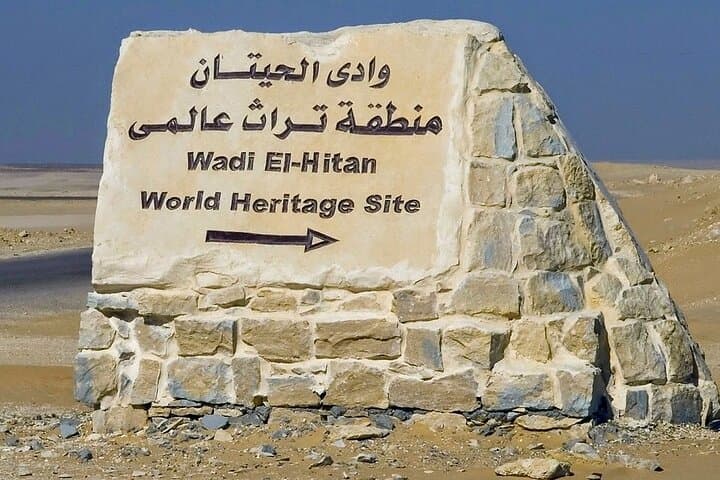
Wadi Hitan preserves Pliocene-era whale fossils that document the evolutionary transition from terrestrial to marine mammals and is recognized as a UNESCO World Heritage Site.
The area is a protected reserve — stay on established paths, follow guide instructions, and avoid disturbing fossils to support ongoing research and preservation.
Egypt Budget Tours operates guided outdoor trips and adventures with an emphasis on safety, stewardship, and memorable experiences.
A dust-silk road unfurls beneath the jeep as you leave Cairo’s skyline behind and head into the pale silence of Egypt’s Western Desert. The morning light hits ribbed sandstones and low, fossil-strewn plateaus; wind-sculpted ridges seem to nudge you toward the gravel flats where ancient whales lie half-buried in mineral skin.
A dust-silk road unfurls beneath the jeep as you leave Cairo’s skyline behind and head into the pale silence of Egypt’s Western Desert. The morning light hits ribbed sandstones and low, fossil-strewn plateaus; wind-sculpted ridges seem to nudge you toward the gravel flats where ancient whales lie half-buried in mineral skin.
Wadi Hitan — Valley of the Whales — holds articulated archaeocete skeletons that trace the whale’s slow retreat from land to sea. The exposed bones sit on a Pliocene plain; the geology explains more than form, it narrates a deep environmental shift when sea levels and climate rewrote coastlines. Nearby, Wadi Rayan’s twin lakes and seasonal waterfalls contrast the fossil flats with wetland life that draws migratory birds and small desert fauna. Local Bedouin communities and Fayoum’s farming oases add cultural texture: simple desert hospitality, packed lunches, and routes shaped by centuries of travel across sand and limestone.
Practical side: expect a full 8–10 hour day dominated by road travel and short, uneven walks at fossil sites and viewpoints. Wear sun-protective clothing and sturdy shoes for gravel and limestone; carry at least 2 liters of water, a sun hat, and layered clothing for temperature swings. Photography is open but fossils are protected — don’t touch or remove specimens. The trip runs best in cooler hours—early start and late afternoon—and guides provide context, transport, and local insight for a single, concentrated taste of Egypt’s desert history.