THE ADVENTURE COLLECTIVE® · Independent discovery and booking for outdoor travel

Explore Old Delhi’s bustling bazaars and the stately avenues of New Delhi in a single day. This full-day tour pairs Mughal-era markets and monuments with British-era civic landmarks, ideal for first-time visitors who want context and cover in one itinerary.
Explore Old Delhi’s bustling bazaars and the stately avenues of New Delhi in a single day. This full-day tour pairs Mughal-era markets and monuments with British-era civic landmarks, ideal for first-time visitors who want context and cover in one itinerary.
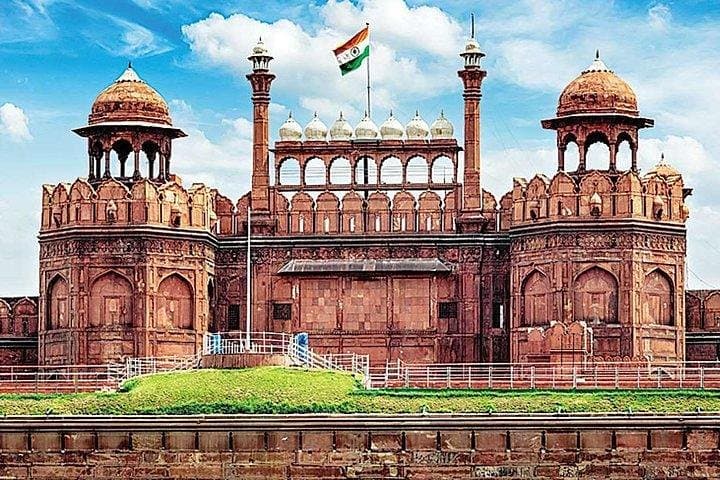
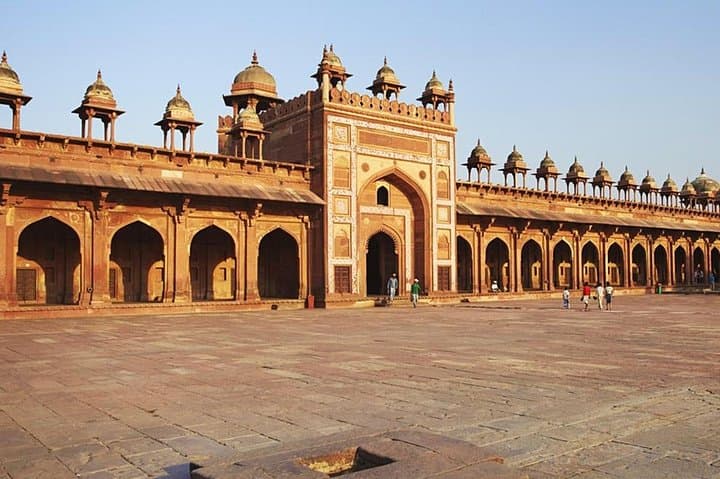
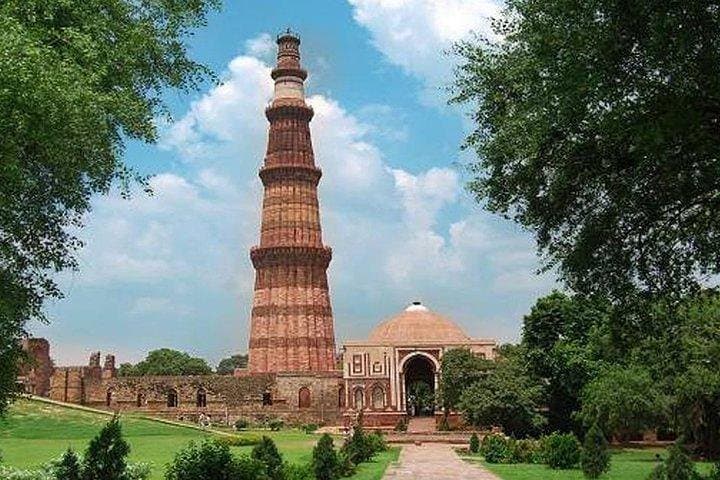
The day opens in the cramped, horn-clipped lanes of Old Delhi where spice-scented air and a chorus of hawkers set the tempo. Visitors thread through Chandni Chowk’s crowded bazaars, step into the cool shadow of Jama Masjid and stand where Mughal stonework still declares its intent. By afternoon the city folds open into broad, tree-lined avenues and the ordered monuments of New Delhi: India Gate’s stone arc, the low domes of Humayun’s Tomb, and Qutub Minar rising above scrub and modern development.
Verified experiences and guided adventures in the surrounding area.
Operated by India Golden Triangle Tour · New Delhi, Delhi
The day opens in the cramped, horn-clipped lanes of Old Delhi where spice-scented air and a chorus of hawkers set the tempo. Visitors thread through Chandni Chowk’s crowded bazaars, step into the cool shadow of Jama Masjid and stand where Mughal stonework still declares its intent. By afternoon the city folds open into broad, tree-lined avenues and the ordered monuments of New Delhi: India Gate’s stone arc, the low domes of Humayun’s Tomb, and Qutub Minar rising above scrub and modern development.
This route maps two centuries of power and design: Shahjahanabad’s 17th-century market grid and the British-era imperial plan laid out by Edwin Lutyens in the early 20th. Geology is subtle here—alluvial plains of the Yamuna shaped settlement patterns—while culture is loud: ritual, commerce, and civic ceremony intersect at every stop.
Travelers should expect an active, urban day—lots of walking on stone, pavements, and occasionally uneven alleys. Guides point out conservation needs at heritage sites and offer local context on architecture, politics, and food traditions.
Practical guidance: start early to avoid midday heat, carry a copy of ID for entry to some monuments, and wear closed shoes for market sections. Plan for traffic between Old and New Delhi; the tour’s transport time is part of the rhythm, not downtime. Respect local dress protocols at religious sites and keep water and a light layer handy—Delhi’s climate can swing from sharp sun to a sudden storm depending on season.
easy.
8 hours.
Suitable for travelers in normal urban walking condition; expect multiple short walks and some standing.
Pickup is typically in the morning with an approximate duration of eight hours, returning travelers to their hotel or airport by evening.
Standard tours often exclude monument entry fees—confirm at booking and carry cash or a card for any tickets.
Yes; the itinerary is classified as physically easy, but participants should be prepared for walking and brief standing periods.
Most itineraries include a lunch break at local restaurants; notify the operator ahead of time about dietary restrictions so they can recommend options.
Old Delhi (Shahjahanabad) was founded in 1639 by Mughal emperor Shah Jahan; New Delhi’s broad civic design was created by British architects led by Edwin Lutyens in the early 20th century.
Heritage sites rely on visitor discipline—avoid touching delicate carvings, dispose of waste properly, and follow signage to help preserve monuments.
India Golden Triangle Tour operates guided outdoor trips and adventures with an emphasis on safety, stewardship, and memorable experiences.

The day opens in the cramped, horn-clipped lanes of Old Delhi where spice-scented air and a chorus of hawkers set the tempo. Visitors thread through Chandni Chowk’s crowded bazaars, step into the cool shadow of Jama Masjid and stand where Mughal stonework still declares its intent. By afternoon the city folds open into broad, tree-lined avenues and the ordered monuments of New Delhi: India Gate’s stone arc, the low domes of Humayun’s Tomb, and Qutub Minar rising above scrub and modern development.
The day opens in the cramped, horn-clipped lanes of Old Delhi where spice-scented air and a chorus of hawkers set the tempo. Visitors thread through Chandni Chowk’s crowded bazaars, step into the cool shadow of Jama Masjid and stand where Mughal stonework still declares its intent. By afternoon the city folds open into broad, tree-lined avenues and the ordered monuments of New Delhi: India Gate’s stone arc, the low domes of Humayun’s Tomb, and Qutub Minar rising above scrub and modern development.
This route maps two centuries of power and design: Shahjahanabad’s 17th-century market grid and the British-era imperial plan laid out by Edwin Lutyens in the early 20th. Geology is subtle here—alluvial plains of the Yamuna shaped settlement patterns—while culture is loud: ritual, commerce, and civic ceremony intersect at every stop.
Travelers should expect an active, urban day—lots of walking on stone, pavements, and occasionally uneven alleys. Guides point out conservation needs at heritage sites and offer local context on architecture, politics, and food traditions.
Practical guidance: start early to avoid midday heat, carry a copy of ID for entry to some monuments, and wear closed shoes for market sections. Plan for traffic between Old and New Delhi; the tour’s transport time is part of the rhythm, not downtime. Respect local dress protocols at religious sites and keep water and a light layer handy—Delhi’s climate can swing from sharp sun to a sudden storm depending on season.