THE ADVENTURE COLLECTIVE® · Independent discovery and booking for outdoor travel

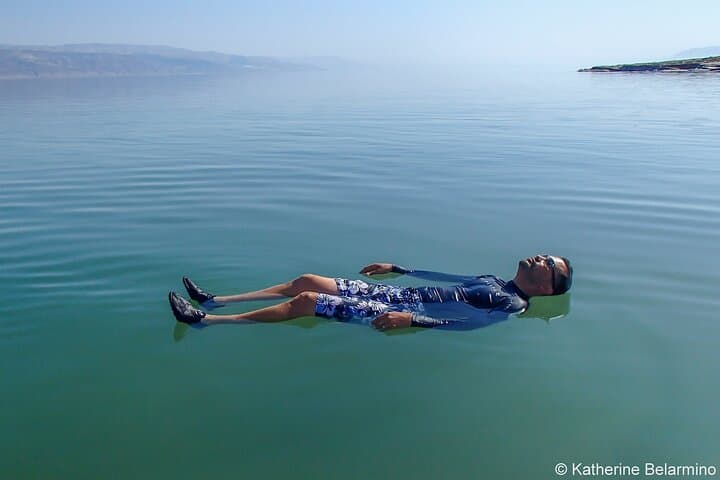
Float in the mineral-rich Dead Sea, study a 6th‑century mosaic map in Madaba, and stand on Mount Nebo’s wind-cut ridge where history and geology meet. This full-day route from Amman packs cultural highlights and natural spectacle into one approachable day trip.
Float in the mineral-rich Dead Sea, study a 6th‑century mosaic map in Madaba, and stand on Mount Nebo’s wind-cut ridge where history and geology meet. This full-day route from Amman packs cultural highlights and natural spectacle into one approachable day trip.
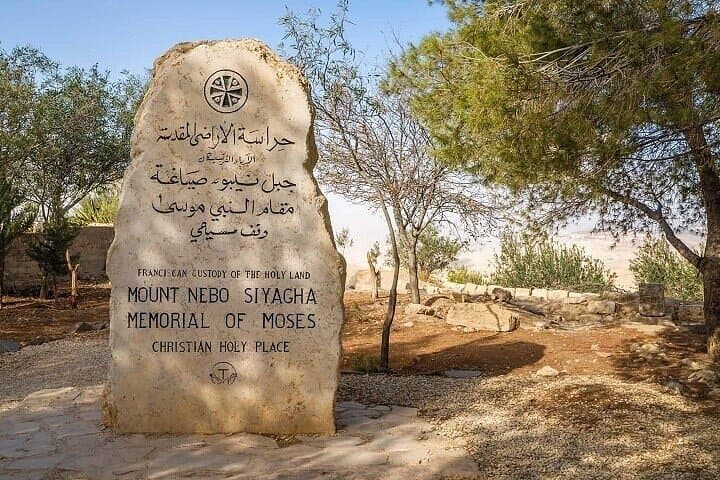
A salt-heavy breeze hits the bus as it rolls out of Amman and the cityscape thins into ochre hills. By mid-morning travelers are standing at St. George’s Church in Madaba, eye-level with a sixth-century mosaic map that pins ancient towns with precision. Later, the road climbs; Mount Nebo opens like a stage. From its plateau the Jordan Valley drops away, the Dead Sea gleaming below and, on clear days, a pale suggestion of Jerusalem across the horizon.
Verified experiences and guided adventures in the surrounding area.
Operated by Jordan Landmarks Tours · Amman, Amman Governorate
A salt-heavy breeze hits the bus as it rolls out of Amman and the cityscape thins into ochre hills. By mid-morning travelers are standing at St. George’s Church in Madaba, eye-level with a sixth-century mosaic map that pins ancient towns with precision. Later, the road climbs; Mount Nebo opens like a stage. From its plateau the Jordan Valley drops away, the Dead Sea gleaming below and, on clear days, a pale suggestion of Jerusalem across the horizon.
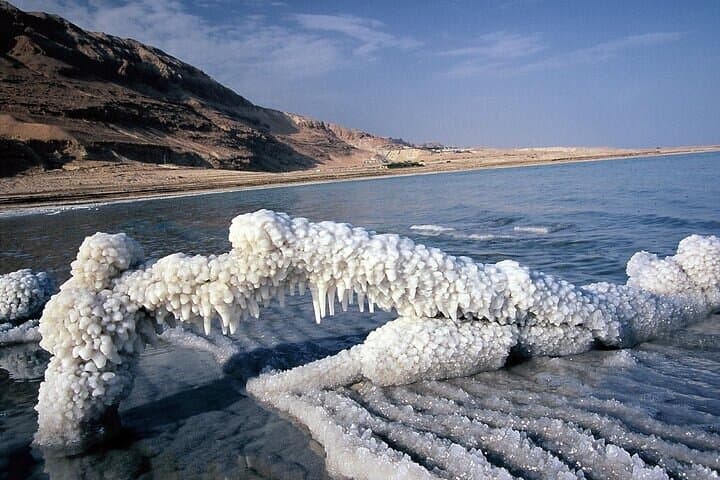
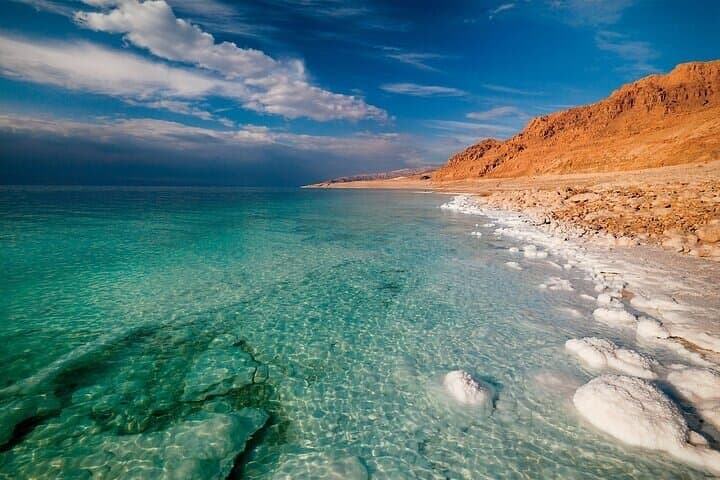
History here is literal: Madaba’s stone map records early Christian geography, Mount Nebo marks the ancient viewpoint associated with Moses, and the Dead Sea bears the geological fingerprint of millennia—evaporitic basins, salt-encrusted shores and mineral-rich mud used since antiquity. Local culture combines Bedouin hospitality with small-town craft traditions—look for hand-cut mosaic tiles and brasswork in Madaba’s workshops.
Practically, the day is paced for comfort: short guided stops, photo points, and a longer Dead Sea beach window for floating and mud application. Weather can be stark—intense sun at low elevation and reflective salt flats—so timing and gear matter. Expect easy walking on uneven ancient floors and compact desert tracks, not long hikes. Bring biodegradable sunscreen, a towel and shoes that handle both sand and church stone. The tour suits travelers wanting a compact, layered look at Jordan’s sacred geography and natural oddities without multi-day logistics. Aim for morning pickup from Amman, and plan post-tour downtime—the Dead Sea’s buoyancy is relaxing, but it can be surprisingly dehydrating.
easy.
7–8 hours.
Suitable for most fitness levels; requires short walks (5–30 minutes) on uneven surfaces and ability to stand for guided stops.
Entry fees are not always included—some tour options bundle resort or beach access as an add‑on; confirm at booking.
Yes, hotel pickup and drop-off in Amman are provided as part of the tour service.
Floating is safe for most people but not recommended for those with open wounds, eye irritation, or recent surgeries; consult the guide and avoid swallowing water.
Bring identification (passport recommended) since some sites require ID for ticketing and hotel pickup requires guest verification.
Madaba preserves one of the oldest known mosaic maps of the Holy Land, while Mount Nebo is identified in biblical tradition as the place where Moses viewed the Promised Land.
The Dead Sea’s water level is declining due to regional water diversion and mineral extraction; visitors should minimize waste, use biodegradable products, and respect restricted areas.
Jordan Landmarks Tours operates guided outdoor trips and adventures with an emphasis on safety, stewardship, and memorable experiences.
A salt-heavy breeze hits the bus as it rolls out of Amman and the cityscape thins into ochre hills. By mid-morning travelers are standing at St. George’s Church in Madaba, eye-level with a sixth-century mosaic map that pins ancient towns with precision. Later, the road climbs; Mount Nebo opens like a stage. From its plateau the Jordan Valley drops away, the Dead Sea gleaming below and, on clear days, a pale suggestion of Jerusalem across the horizon.
A salt-heavy breeze hits the bus as it rolls out of Amman and the cityscape thins into ochre hills. By mid-morning travelers are standing at St. George’s Church in Madaba, eye-level with a sixth-century mosaic map that pins ancient towns with precision. Later, the road climbs; Mount Nebo opens like a stage. From its plateau the Jordan Valley drops away, the Dead Sea gleaming below and, on clear days, a pale suggestion of Jerusalem across the horizon.
History here is literal: Madaba’s stone map records early Christian geography, Mount Nebo marks the ancient viewpoint associated with Moses, and the Dead Sea bears the geological fingerprint of millennia—evaporitic basins, salt-encrusted shores and mineral-rich mud used since antiquity. Local culture combines Bedouin hospitality with small-town craft traditions—look for hand-cut mosaic tiles and brasswork in Madaba’s workshops.
Practically, the day is paced for comfort: short guided stops, photo points, and a longer Dead Sea beach window for floating and mud application. Weather can be stark—intense sun at low elevation and reflective salt flats—so timing and gear matter. Expect easy walking on uneven ancient floors and compact desert tracks, not long hikes. Bring biodegradable sunscreen, a towel and shoes that handle both sand and church stone. The tour suits travelers wanting a compact, layered look at Jordan’s sacred geography and natural oddities without multi-day logistics. Aim for morning pickup from Amman, and plan post-tour downtime—the Dead Sea’s buoyancy is relaxing, but it can be surprisingly dehydrating.