THE ADVENTURE COLLECTIVE® · Independent discovery and booking for outdoor travel

Catch sunrise over Kanchenjunga, walk tea gardens and visit hilltop monasteries in a single private day. This practical full-day tour packs Darjeeling’s best viewpoints, cultural sites and wildlife stops into an accessible mountain itinerary.
Catch sunrise over Kanchenjunga, walk tea gardens and visit hilltop monasteries in a single private day. This practical full-day tour packs Darjeeling’s best viewpoints, cultural sites and wildlife stops into an accessible mountain itinerary.
A pale sky trembles over the ridgeline as you climb toward Tiger Hill — the first light of Kanchenjunga cutting the cold air into bright shards. The town of Darjeeling opens below: terraced tea bushes, narrow lanes, prayer flags snapping at monastery roofs. This full-day circuit stitches together sunrise viewpoints, heritage rail turns, monasteries and tea gardens into a single, easygoing mountain day.
Verified experiences and guided adventures in the surrounding area.
Operated by Green Escape Tours & Travels · Darjeeling, West Bengal
A pale sky trembles over the ridgeline as you climb toward Tiger Hill — the first light of Kanchenjunga cutting the cold air into bright shards. The town of Darjeeling opens below: terraced tea bushes, narrow lanes, prayer flags snapping at monastery roofs. This full-day circuit stitches together sunrise viewpoints, heritage rail turns, monasteries and tea gardens into a single, easygoing mountain day.
Darjeeling’s story is layered: a 19th-century British hill station built on steep Himalayan foothills, its slopes later planted with tea that now bears the town’s global name. The geology is active — folded hills and deep valleys carved by young rivers — which is why the British routed narrow-gauge tracks and engineers built turns like Batasia Loop. Culturally, Nepalese, Tibetan Buddhist and Bengali influences meet in monastery chants, market stalls and mountaineering lore at the Himalayan Mountaineering Institute.
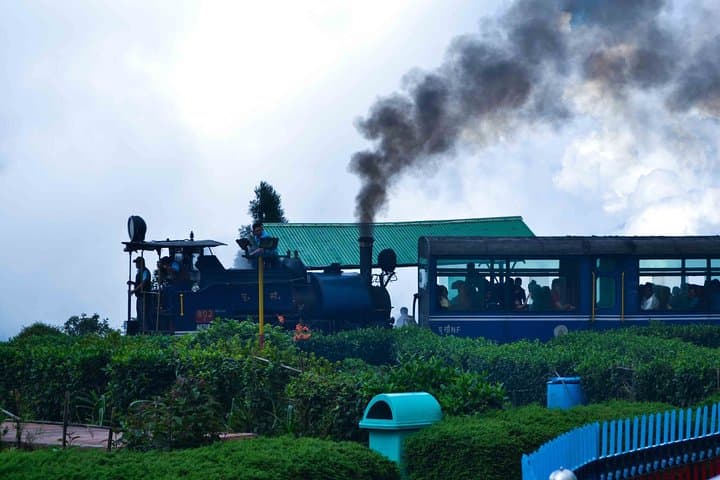
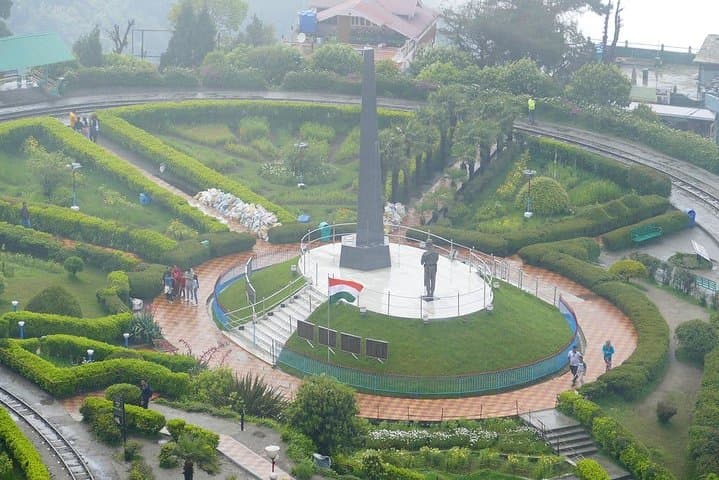
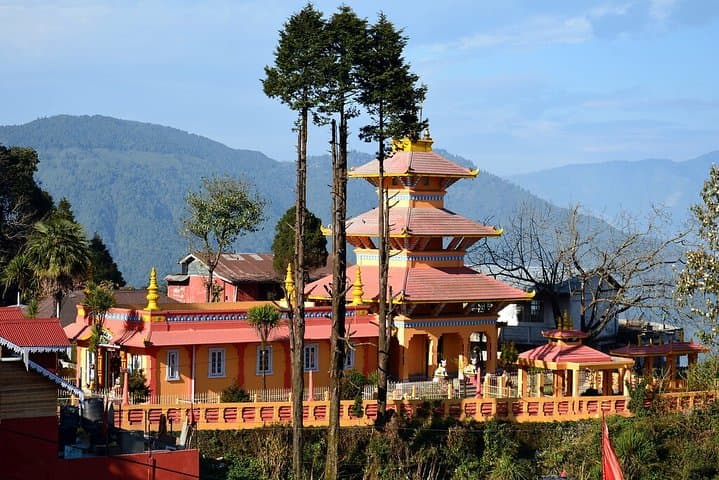
Practically: expect a 10-hour private drive with multiple short stops — Tiger Hill for sunrise if timed early, Batasia Loop for panoramic views, Yiga Choeling monastery and the Tibetan Refugee Self Help Centre for crafts and culture, plus tea gardens and the zoo known for red pandas. The day is mostly roadside walking with short uphill sections (steps at viewpoints and monastery grounds). Wear layered clothing for early cold, sturdy walking shoes for uneven paths, and bring small cash for local vendors and entrance fees. Hydrate frequently at altitude (Darjeeling sits around 2,000–2,200 m) and allow extra time for traffic on narrow hill roads. The tour is accessible to most fitness levels and gives a concentrated, practical introduction to Darjeeling’s landscapes, history and living culture.
easy.
10 hours.
Suitable for most fitness levels; requires mobility for short uphill walks and steps.
Yes — the private tour includes hotel pickup and drop-off within Darjeeling as listed in the inclusions.
Visibility depends on weather and season; mornings are best for clear views but clouds and haze can obscure the peaks.
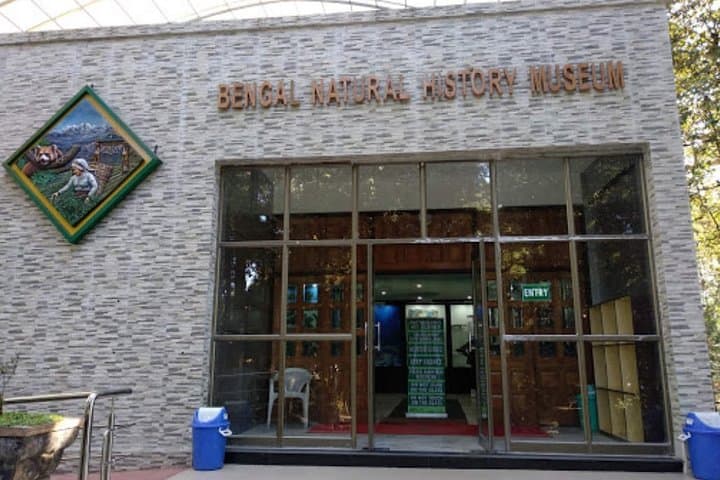
Most stops are viewpoints or free sites; specific entry fees (zoo, museum) are typically not included — bring cash for admissions if required.
Yes — the itinerary is described as physically easy and the drive-based format is suitable for families and older guests, though there are some steps at viewpoints.
Darjeeling developed as a British hill station in the 1800s and grew into a tea-producing region; mountaineering and Tibetan exile communities later shaped its cultural landscape.
Padmaja Naidu Zoo focuses on breeding and habitat protection for species like the red panda; visitors are encouraged to stick to trails, minimize plastic and respect wildlife viewing rules.
Green Escape Tours & Travels operates guided outdoor trips and adventures with an emphasis on safety, stewardship, and memorable experiences.
A pale sky trembles over the ridgeline as you climb toward Tiger Hill — the first light of Kanchenjunga cutting the cold air into bright shards. The town of Darjeeling opens below: terraced tea bushes, narrow lanes, prayer flags snapping at monastery roofs. This full-day circuit stitches together sunrise viewpoints, heritage rail turns, monasteries and tea gardens into a single, easygoing mountain day.
A pale sky trembles over the ridgeline as you climb toward Tiger Hill — the first light of Kanchenjunga cutting the cold air into bright shards. The town of Darjeeling opens below: terraced tea bushes, narrow lanes, prayer flags snapping at monastery roofs. This full-day circuit stitches together sunrise viewpoints, heritage rail turns, monasteries and tea gardens into a single, easygoing mountain day.
Darjeeling’s story is layered: a 19th-century British hill station built on steep Himalayan foothills, its slopes later planted with tea that now bears the town’s global name. The geology is active — folded hills and deep valleys carved by young rivers — which is why the British routed narrow-gauge tracks and engineers built turns like Batasia Loop. Culturally, Nepalese, Tibetan Buddhist and Bengali influences meet in monastery chants, market stalls and mountaineering lore at the Himalayan Mountaineering Institute.
Practically: expect a 10-hour private drive with multiple short stops — Tiger Hill for sunrise if timed early, Batasia Loop for panoramic views, Yiga Choeling monastery and the Tibetan Refugee Self Help Centre for crafts and culture, plus tea gardens and the zoo known for red pandas. The day is mostly roadside walking with short uphill sections (steps at viewpoints and monastery grounds). Wear layered clothing for early cold, sturdy walking shoes for uneven paths, and bring small cash for local vendors and entrance fees. Hydrate frequently at altitude (Darjeeling sits around 2,000–2,200 m) and allow extra time for traffic on narrow hill roads. The tour is accessible to most fitness levels and gives a concentrated, practical introduction to Darjeeling’s landscapes, history and living culture.