THE ADVENTURE COLLECTIVE® · Independent discovery and booking for outdoor travel

Spend a full day sampling Da Nang and Hoi An: Lady Buddha, Cham art, Marble Mountains, Han Market and Hoi An’s night food scene. Walkable, cultural, and packed with regional dishes and viewpoints.
Spend a full day sampling Da Nang and Hoi An: Lady Buddha, Cham art, Marble Mountains, Han Market and Hoi An’s night food scene. Walkable, cultural, and packed with regional dishes and viewpoints.
Morning light slides across the Han River as your guide collects the small group and the city hums awake—this is a day that pairs skyline bridges and sacred stone with street stalls and riverfront lanterns.
Verified experiences and guided adventures in the surrounding area.
Operated by Vietnam TravelMART · Da Nang, Da Nang
Morning light slides across the Han River as your guide collects the small group and the city hums awake—this is a day that pairs skyline bridges and sacred stone with street stalls and riverfront lanterns.
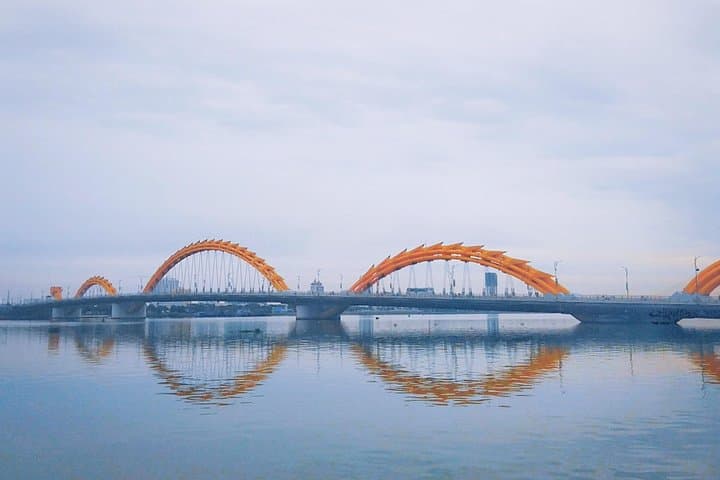
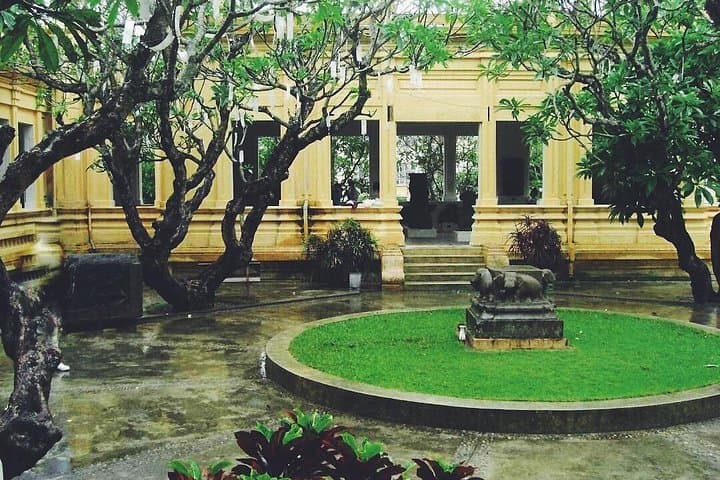
Start at Linh Ung to look up at Vietnam’s tallest Lady Buddha and feel the sea breeze push you toward the Dragon Bridge’s arching metal ribs. The tour moves through Da Nang’s layers: Cham sculptures that survive in the Cham Museum, Han Market’s French-era stalls where traders still bargain, and the short climb through Marble Mountains’ carved caves and temple terraces overlooking Non Nuoc’s stone villages.
Each stop is a lesson in geology and culture: Cham sandstone and sculpting traditions, volcanic karst that the Marble Mountains expose, and Hoi An’s maritime trading past visible in the Japanese Covered Bridge and the narrow shophouses along the Hoai River.
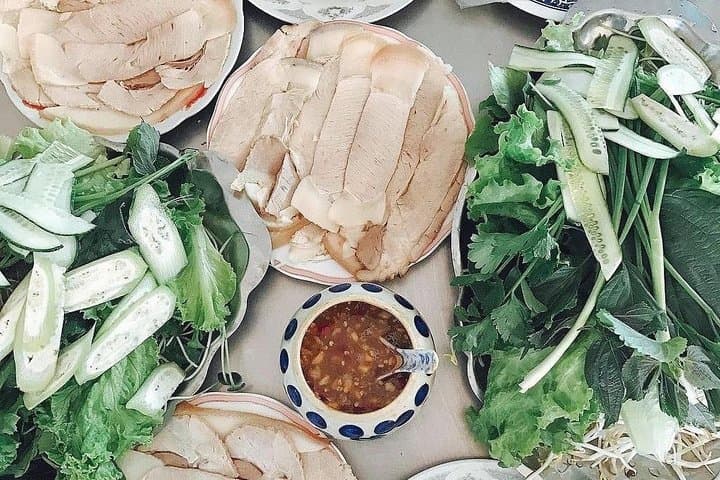
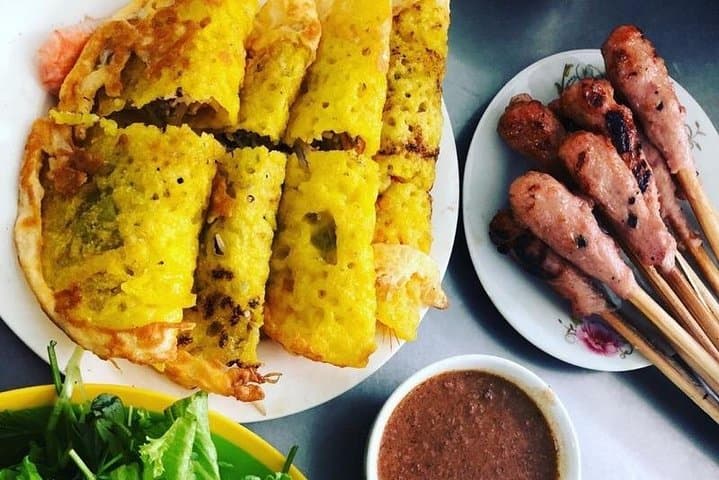
The food thread ties it together—street chefs serve banh vac and cao lau; in Hoi An, twilight turns riverside dining into a slow parade of lantern light. Expect a mix of walking (city streets and many steps at Marble Mountains), timed admissions, and meals on the move.
Practical edge: wear broken-in shoes for steps and alleys, carry a refillable water bottle, bring cash for market purchases, and schedule this in the dry season to avoid heavy rain. The day is long—plan for ten hours—but it’s compact: architecture, archaeology, sculpture, and regional cuisine rolled into one practical, walkable circuit of central Vietnam.
moderate.
10 hours.
Good for travelers comfortable with 2–5 miles of walking, stairs and standing for food stops; moderate fitness recommended
Yes—free pickup/drop-off is provided for travelers staying in Da Nang City center; other guests meet at Novotel Danang Premier Han River.
Admission to some sites like the Cham Museum and Marble Mountains is included per the itinerary; ask the guide about any optional extras.
The tour can manage common requests—notify booking details for vegetarian or allergy needs so the guide can arrange alternatives where possible.
The tour involves stairs and a full day of walking; families with young children or mobility issues should consider their comfort with steps and length of day.
The region reflects Cham kingdom heritage (seen in Cham sculptures), French colonial market architecture in Da Nang, and Hoi An’s role as a historic trading port connecting Japan, China and Southeast Asia.
Tourists are encouraged to avoid buying antiques or items of cultural heritage; reduce plastic waste and stick to marked paths at Marble Mountains to protect fragile caves and carvings.
Vietnam TravelMART operates guided outdoor trips and adventures with an emphasis on safety, stewardship, and memorable experiences.
Morning light slides across the Han River as your guide collects the small group and the city hums awake—this is a day that pairs skyline bridges and sacred stone with street stalls and riverfront lanterns.
Morning light slides across the Han River as your guide collects the small group and the city hums awake—this is a day that pairs skyline bridges and sacred stone with street stalls and riverfront lanterns.
Start at Linh Ung to look up at Vietnam’s tallest Lady Buddha and feel the sea breeze push you toward the Dragon Bridge’s arching metal ribs. The tour moves through Da Nang’s layers: Cham sculptures that survive in the Cham Museum, Han Market’s French-era stalls where traders still bargain, and the short climb through Marble Mountains’ carved caves and temple terraces overlooking Non Nuoc’s stone villages.
Each stop is a lesson in geology and culture: Cham sandstone and sculpting traditions, volcanic karst that the Marble Mountains expose, and Hoi An’s maritime trading past visible in the Japanese Covered Bridge and the narrow shophouses along the Hoai River.
The food thread ties it together—street chefs serve banh vac and cao lau; in Hoi An, twilight turns riverside dining into a slow parade of lantern light. Expect a mix of walking (city streets and many steps at Marble Mountains), timed admissions, and meals on the move.
Practical edge: wear broken-in shoes for steps and alleys, carry a refillable water bottle, bring cash for market purchases, and schedule this in the dry season to avoid heavy rain. The day is long—plan for ten hours—but it’s compact: architecture, archaeology, sculpture, and regional cuisine rolled into one practical, walkable circuit of central Vietnam.