THE ADVENTURE COLLECTIVE® · Independent discovery and booking for outdoor travel

Cross the channel from Saranda to Corfu for a full day of fortified ramparts, sunlit squares and the sea caves of Palaiokastritsa. This practical guide covers what to expect, what to pack and how to make the most of your 10–12 hour island hop.
Cross the channel from Saranda to Corfu for a full day of fortified ramparts, sunlit squares and the sea caves of Palaiokastritsa. This practical guide covers what to expect, what to pack and how to make the most of your 10–12 hour island hop.
The ferry slips away from Saranda as the Ionian opens up — water bright and restless, pushing the day forward toward Corfu. Within an hour the whitewashed spires and layered ramparts of Corfu Town appear on the horizon, a compact maze where Venetian arches meet British-era promenades.
Verified experiences and guided adventures in the surrounding area.
Operated by IonianCruises · Saranda, Vlorë County
The ferry slips away from Saranda as the Ionian opens up — water bright and restless, pushing the day forward toward Corfu. Within an hour the whitewashed spires and layered ramparts of Corfu Town appear on the horizon, a compact maze where Venetian arches meet British-era promenades.
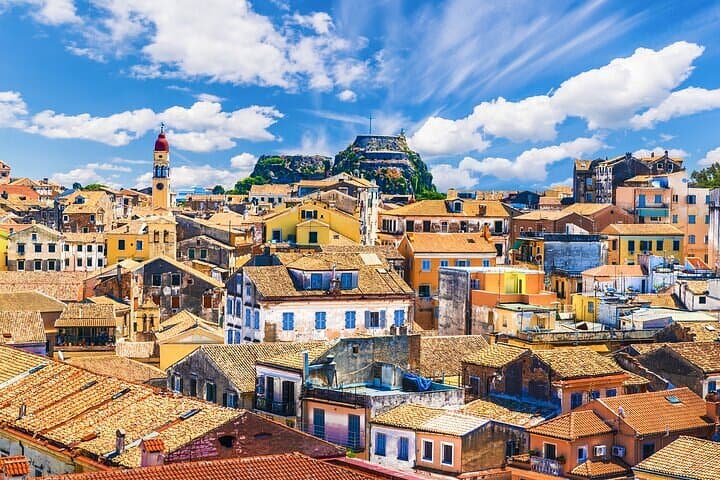
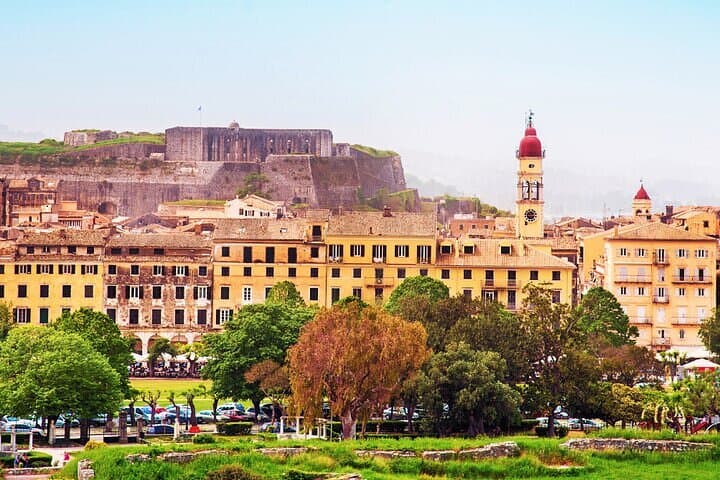
Corfu’s Old Town wears its history on every flagstone. Walk the Spianada, Greece’s largest square, feel Saint Spiridon’s campanile watch over narrow lanes and trace the Royal Palace’s pale façade that now houses the Museum of Asian Art. Fortresses carve the skyline: the Old Fort’s masonry remembers Ottoman sieges, the New Fort holds later military planning.
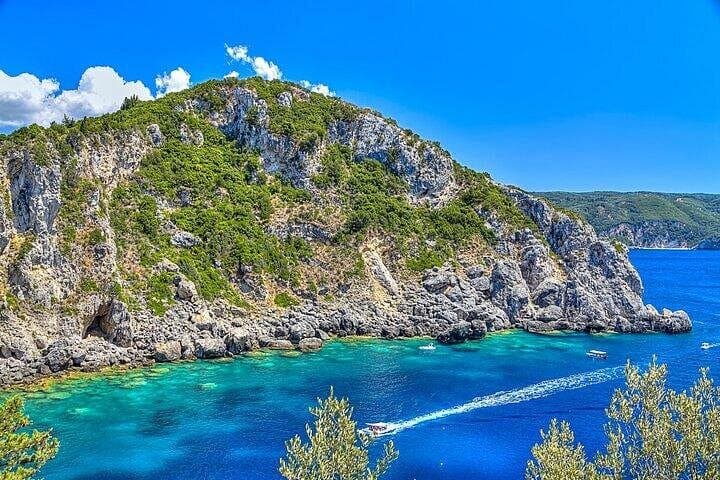
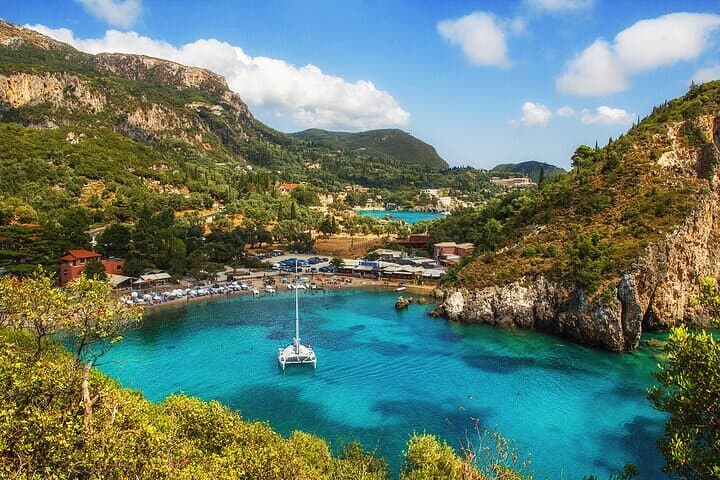
Geology here is simple and dramatic — limestone shelves and plunging bays carved by the Ionian, creating the sea caves around Palaiokastritsa. The village below the monastery offers small tavernas and a handful of pebble beaches where the sea dares you closer; local skiffs can be hired to thread caves and isolated coves.
Practical side: the full-day runs roughly 10–12 hours including passport control at Corfu port. Arrive 45 minutes early for boarding. You’ll cover cobbled streets and beach approaches — supportive walking shoes and sun protection are essential. Bring passport, small euros for optional boat hires and tavernas, and a lightweight swim kit for a midday dip. Expect crowds at key sites; if you want quieter corners, head for the monastery viewpoint or the steep path behind the Old Fort. Weather can change fast on the channel, so check forecasts and dress in layers. This trip blends easy walking with marine scenery — an accessible, full-day way to swap Saranda’s coast for Corfu’s layered history and crystalline bays.
easy.
10–12 hours.
Suitable for most fitness levels; requires short walks on cobblestones and stairs and the ability to board a ferry
Yes — you cross an international border so a valid passport is required; check visa requirements for your nationality.
Meals are typically not included; you’ll have free time in Corfu and Palaiokastritsa to eat at local tavernas (cash and cards accepted, but small bills are handy).
Yes, local skiffs and rowboats are available for hire from the village; these are optional and paid locally.
The cruise itself is low-impact, but exploring Corfu Old Town and Palaiokastritsa involves stairs, cobbles and uneven surfaces — it may be challenging for those with limited mobility.
Corfu’s identity reflects Venetian, French and British rule; the Old Town’s fortifications and urban grid show centuries of shifting maritime power.
Local operators encourage anchoring off seagrass beds and using marked moorings; limit single-use plastics and support tavernas that source local catch.
IonianCruises operates guided outdoor trips and adventures with an emphasis on safety, stewardship, and memorable experiences.
The ferry slips away from Saranda as the Ionian opens up — water bright and restless, pushing the day forward toward Corfu. Within an hour the whitewashed spires and layered ramparts of Corfu Town appear on the horizon, a compact maze where Venetian arches meet British-era promenades.
The ferry slips away from Saranda as the Ionian opens up — water bright and restless, pushing the day forward toward Corfu. Within an hour the whitewashed spires and layered ramparts of Corfu Town appear on the horizon, a compact maze where Venetian arches meet British-era promenades.
Corfu’s Old Town wears its history on every flagstone. Walk the Spianada, Greece’s largest square, feel Saint Spiridon’s campanile watch over narrow lanes and trace the Royal Palace’s pale façade that now houses the Museum of Asian Art. Fortresses carve the skyline: the Old Fort’s masonry remembers Ottoman sieges, the New Fort holds later military planning.
Geology here is simple and dramatic — limestone shelves and plunging bays carved by the Ionian, creating the sea caves around Palaiokastritsa. The village below the monastery offers small tavernas and a handful of pebble beaches where the sea dares you closer; local skiffs can be hired to thread caves and isolated coves.
Practical side: the full-day runs roughly 10–12 hours including passport control at Corfu port. Arrive 45 minutes early for boarding. You’ll cover cobbled streets and beach approaches — supportive walking shoes and sun protection are essential. Bring passport, small euros for optional boat hires and tavernas, and a lightweight swim kit for a midday dip. Expect crowds at key sites; if you want quieter corners, head for the monastery viewpoint or the steep path behind the Old Fort. Weather can change fast on the channel, so check forecasts and dress in layers. This trip blends easy walking with marine scenery — an accessible, full-day way to swap Saranda’s coast for Corfu’s layered history and crystalline bays.