THE ADVENTURE COLLECTIVE® · Independent discovery and booking for outdoor travel

Spend a full day exploring the Cradle of Humankind: Maropeng’s museum and boat ride, the 2.2-million-year-old Wonder Caves, and a game reserve drive with predator camps. This 8‑hour tour blends deep-time geology with wildlife viewing and hands-on fossil history.
Spend a full day exploring the Cradle of Humankind: Maropeng’s museum and boat ride, the 2.2-million-year-old Wonder Caves, and a game reserve drive with predator camps. This 8‑hour tour blends deep-time geology with wildlife viewing and hands-on fossil history.
You step out of the air-conditioned van into rolling Gauteng grassland where limestone ridges drop away to caves and fossil beds. The Cradle of Humankind spreads across 47,000 hectares; wind slices grass and the air smells faintly of dust and stone. Guides shepherd the group through a modern museum one moment and into deep, cool caverns the next.
Verified experiences and guided adventures in the surrounding area.
Operated by Ulysses Tours & Safaris cc · Krugersdorp, Gauteng
You step out of the air-conditioned van into rolling Gauteng grassland where limestone ridges drop away to caves and fossil beds. The Cradle of Humankind spreads across 47,000 hectares; wind slices grass and the air smells faintly of dust and stone. Guides shepherd the group through a modern museum one moment and into deep, cool caverns the next.
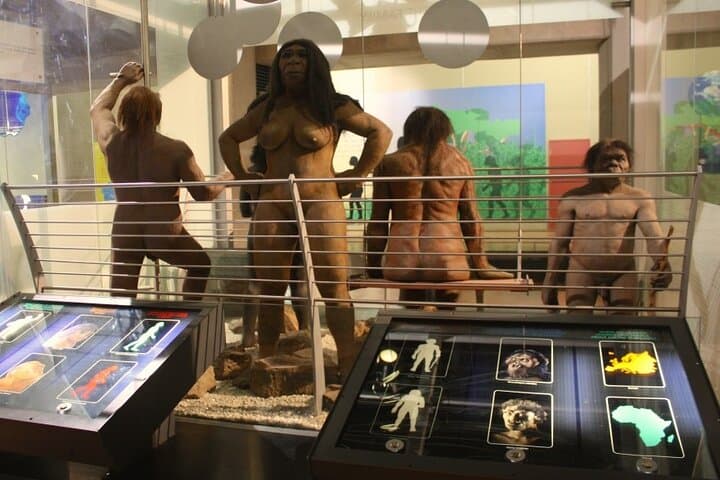
Declared a UNESCO World Heritage Site in 1999, this landscape holds roughly 40 fossil sites and about 40% of the world’s known early hominin fossils. Geology here is karst—uplifted limestone riddled with sinkholes and cavern chambers that preserved bones for millions of years. At Maropeng the Tumulus gallery uses architecture and an underground boat ride to narrate life’s evolution. Nearby, the Wonder Caves expose a 46,000 cubic-metre chamber with formations up to 15 m, cave pearls and an access route with ~90 steps and a lift.
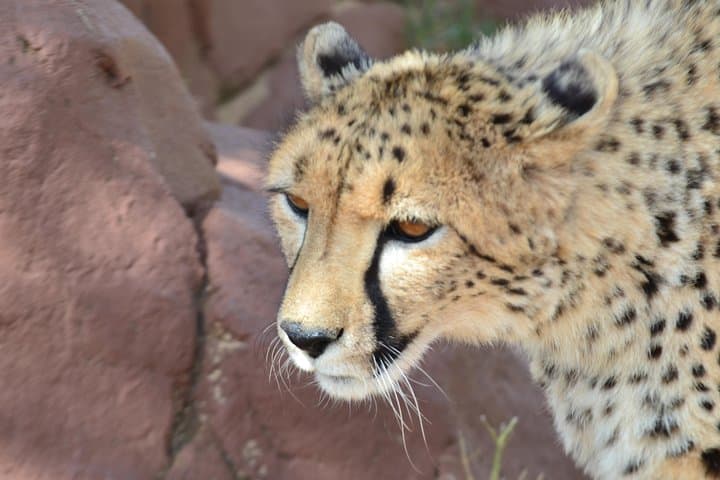
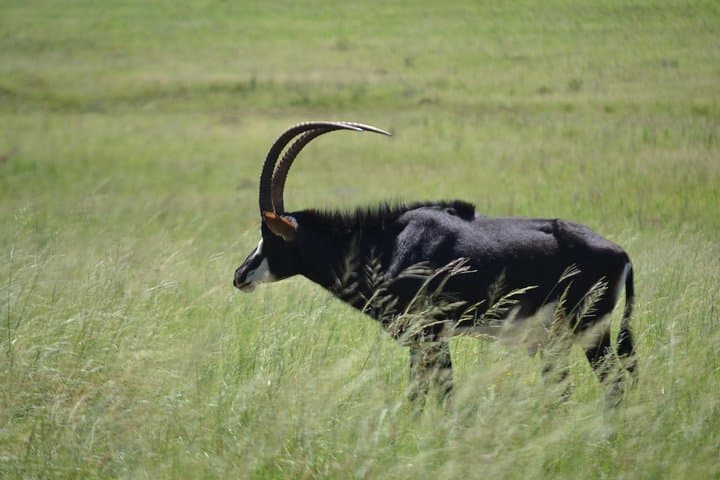
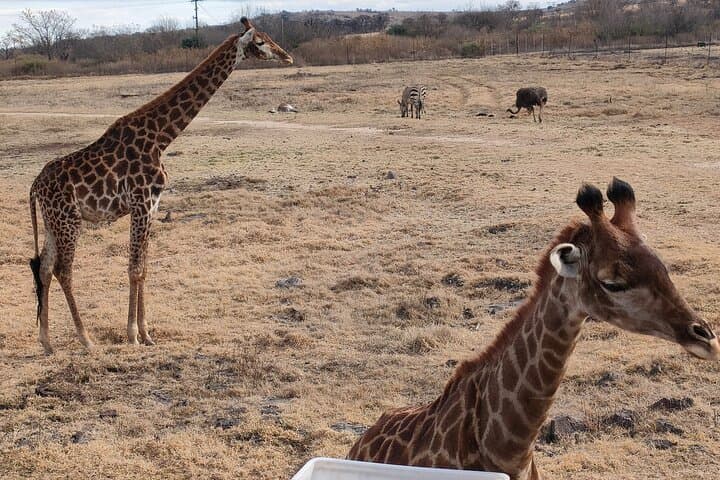
The day also includes a driving circuit of a 1,200-hectare game reserve—expect to see rhino, buffalo and predator camps from a closed vehicle and a visit to the breeding centre and crèche. The itinerary is paced: museum exhibits, a cave tour, a wildlife drive and lunch.
Practical: plan for an 8‑hour outing with moderate walking, bring sun protection and sturdy footwear for steps and uneven surfaces, carry a camera with extra battery, and expect bottled water and lunch to be provided. Hotel pickup and drop-off make logistics simple; this is a well-rounded, accessible introduction to South Africa’s deep past and living wildlife.
moderate.
8 hours.
Moderate fitness—comfortable with short walks, stairs and standing during exhibits and drives
Yes—hotel pickup and drop-off in Pretoria and Johannesburg are included; you’ll select a pickup point when booking.
Yes—admission to the listed attractions in the itinerary is included in the tour price.
Expect moderate walking and about 90 steps to access the Wonder Caves; most other stops are viewed from short paths or the vehicle.
Children can join; an infant seat is available and child rates apply when sharing with an adult—check age restrictions and suitability for cave steps.
The Cradle was declared a UNESCO World Heritage Site in 1999 and contains about 40 fossil-bearing sites central to understanding early human evolution.
The reserve balances wildlife breeding programs and fossil conservation—visitors should stick to paths, avoid littering, and follow guide instructions to minimize impact.
Ulysses Tours & Safaris cc operates guided outdoor trips and adventures with an emphasis on safety, stewardship, and memorable experiences.
You step out of the air-conditioned van into rolling Gauteng grassland where limestone ridges drop away to caves and fossil beds. The Cradle of Humankind spreads across 47,000 hectares; wind slices grass and the air smells faintly of dust and stone. Guides shepherd the group through a modern museum one moment and into deep, cool caverns the next.
You step out of the air-conditioned van into rolling Gauteng grassland where limestone ridges drop away to caves and fossil beds. The Cradle of Humankind spreads across 47,000 hectares; wind slices grass and the air smells faintly of dust and stone. Guides shepherd the group through a modern museum one moment and into deep, cool caverns the next.
Declared a UNESCO World Heritage Site in 1999, this landscape holds roughly 40 fossil sites and about 40% of the world’s known early hominin fossils. Geology here is karst—uplifted limestone riddled with sinkholes and cavern chambers that preserved bones for millions of years. At Maropeng the Tumulus gallery uses architecture and an underground boat ride to narrate life’s evolution. Nearby, the Wonder Caves expose a 46,000 cubic-metre chamber with formations up to 15 m, cave pearls and an access route with ~90 steps and a lift.
The day also includes a driving circuit of a 1,200-hectare game reserve—expect to see rhino, buffalo and predator camps from a closed vehicle and a visit to the breeding centre and crèche. The itinerary is paced: museum exhibits, a cave tour, a wildlife drive and lunch.
Practical: plan for an 8‑hour outing with moderate walking, bring sun protection and sturdy footwear for steps and uneven surfaces, carry a camera with extra battery, and expect bottled water and lunch to be provided. Hotel pickup and drop-off make logistics simple; this is a well-rounded, accessible introduction to South Africa’s deep past and living wildlife.