THE ADVENTURE COLLECTIVE® · Independent discovery and booking for outdoor travel

A full-day excursion from Quito to Cotopaxi National Park that pairs reflective views at Laguna Limpiopungo with a high-altitude trek to José Rivas Refuge (4,864 m). Plan for strong winds, thin air, and dramatic Andean scenery.
A full-day excursion from Quito to Cotopaxi National Park that pairs reflective views at Laguna Limpiopungo with a high-altitude trek to José Rivas Refuge (4,864 m). Plan for strong winds, thin air, and dramatic Andean scenery.
You arrive before dawn on the high plain; the wind at 3,800 meters pushes cold air across scrub and volcanic rock, and the cone of Cotopaxi looms like a weathered watchman. The tour peels away from Quito’s traffic and climbs through farmland and páramo, giving way to wide sky and the first sightlines of snow on black rock.
Verified experiences and guided adventures in the surrounding area.
Operated by Quito Tour Bus · Latacunga, Cotopaxi
You arrive before dawn on the high plain; the wind at 3,800 meters pushes cold air across scrub and volcanic rock, and the cone of Cotopaxi looms like a weathered watchman. The tour peels away from Quito’s traffic and climbs through farmland and páramo, giving way to wide sky and the first sightlines of snow on black rock.
Cotopaxi is one of the highest active volcanoes in the world, its eruptions recorded since the Spanish colonial era. Geologically it’s a stratovolcano—alternating layers of ash and lava—sitting inside Cotopaxi National Park, an ecosystem that shifts quickly from grassland to glacial moraine. Local Kichwa communities historically viewed the mountain with reverence; today the park balances cultural respect with visitor access through the Mariscal Sucre Interpretation Center.
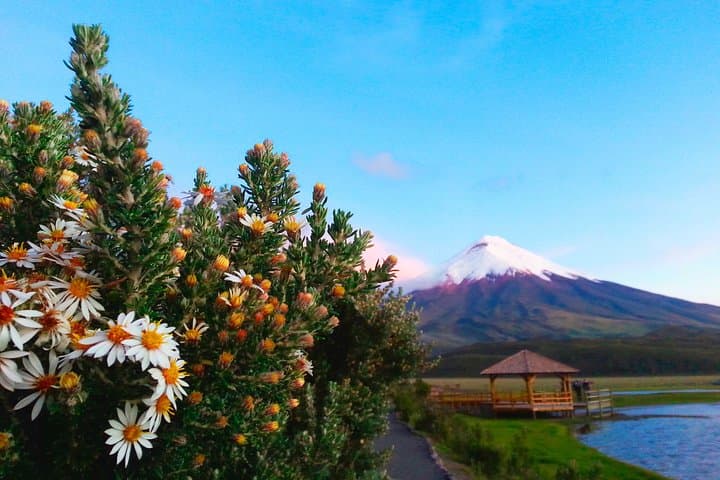
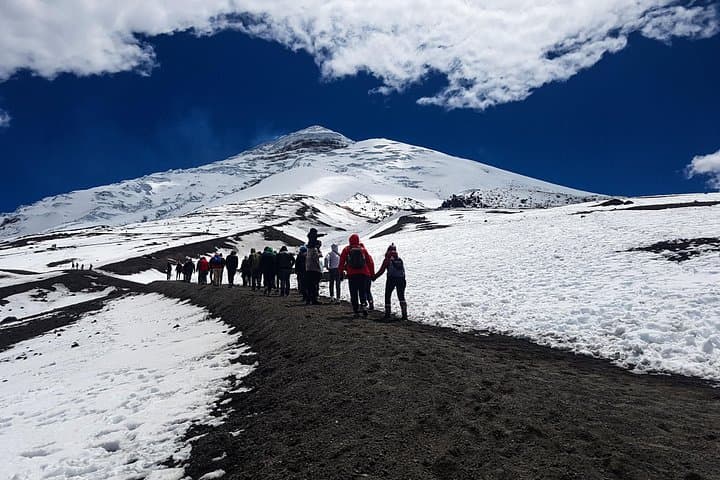
Your day includes a stop at Laguna Limpiopungo—its rim presents reflective water and birdlife—and a trekking segment toward José Rivas Refuge (4,864 m). Trails range from packed dirt to loose scree; the air grows thin and the wind will test your layers. Expect sweeping views, opportunistic condor sightings, and the occasional herd of feral horses moving like dark shapes over the ridge.
Practical guidance: acclimatize in Quito for 24–48 hours, dress in windproof layers, and bring water, high-energy snacks, and sun protection. Hiking shoes with good tread and poles make the ascent to Rivas more secure. Weather shifts fast—start early, stay with the guide, and prioritize slow, steady breathing to manage altitude. With preparation, this full-day route delivers a raw, elemental encounter with the Andes and a clear sense of altitude achievement.
challenging.
12 hours.
Good cardiovascular fitness and prior day-hiking experience at altitude recommended; be able to walk 4–6 hours with elevation gain.
Expect about 1.5–2 hours each way depending on traffic and road conditions; morning departure is standard to maximize time in the park.
Yes, the tour includes park entrances and access to the Mariscal Sucre Interpretation Center as described.
No; the route reaches José Rivas Refuge at ~4,864 m but the glacier and summit require technical climbing and separate permits and guides.
Symptoms can include headache, nausea, and shortness of breath; hydrate, ascend slowly, and inform your guide if you feel unwell—evacuation protocols are in place for severe cases.
Cotopaxi’s eruptions have been recorded since the 16th century; the volcano has long cultural significance to indigenous Kichwa communities in the highlands.
Cotopaxi National Park protects fragile páramo and glacial environments—stay on trails, pack out waste, and follow guide instructions to minimize impact.
Quito Tour Bus operates guided outdoor trips and adventures with an emphasis on safety, stewardship, and memorable experiences.
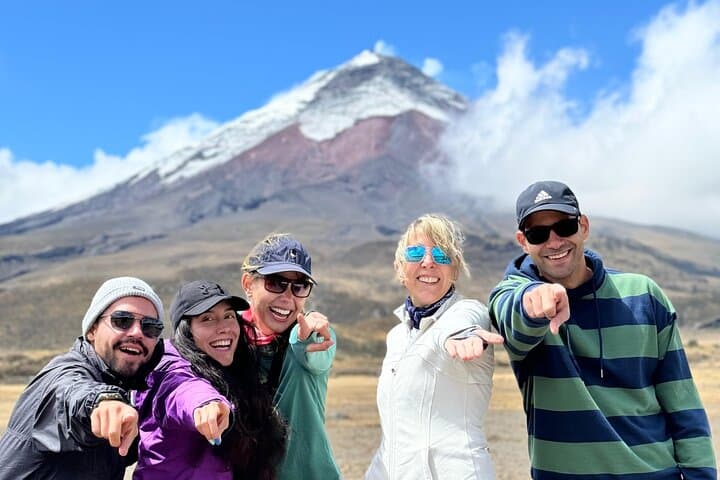
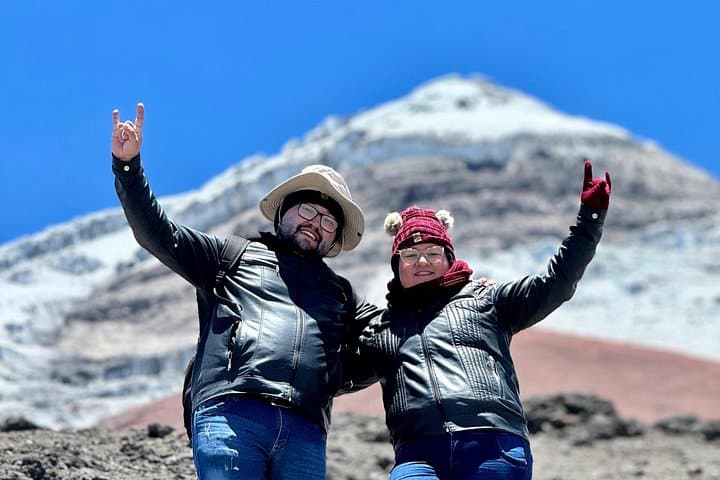
You arrive before dawn on the high plain; the wind at 3,800 meters pushes cold air across scrub and volcanic rock, and the cone of Cotopaxi looms like a weathered watchman. The tour peels away from Quito’s traffic and climbs through farmland and páramo, giving way to wide sky and the first sightlines of snow on black rock.
You arrive before dawn on the high plain; the wind at 3,800 meters pushes cold air across scrub and volcanic rock, and the cone of Cotopaxi looms like a weathered watchman. The tour peels away from Quito’s traffic and climbs through farmland and páramo, giving way to wide sky and the first sightlines of snow on black rock.
Cotopaxi is one of the highest active volcanoes in the world, its eruptions recorded since the Spanish colonial era. Geologically it’s a stratovolcano—alternating layers of ash and lava—sitting inside Cotopaxi National Park, an ecosystem that shifts quickly from grassland to glacial moraine. Local Kichwa communities historically viewed the mountain with reverence; today the park balances cultural respect with visitor access through the Mariscal Sucre Interpretation Center.
Your day includes a stop at Laguna Limpiopungo—its rim presents reflective water and birdlife—and a trekking segment toward José Rivas Refuge (4,864 m). Trails range from packed dirt to loose scree; the air grows thin and the wind will test your layers. Expect sweeping views, opportunistic condor sightings, and the occasional herd of feral horses moving like dark shapes over the ridge.
Practical guidance: acclimatize in Quito for 24–48 hours, dress in windproof layers, and bring water, high-energy snacks, and sun protection. Hiking shoes with good tread and poles make the ascent to Rivas more secure. Weather shifts fast—start early, stay with the guide, and prioritize slow, steady breathing to manage altitude. With preparation, this full-day route delivers a raw, elemental encounter with the Andes and a clear sense of altitude achievement.