THE ADVENTURE COLLECTIVE® · Independent discovery and booking for outdoor travel

Ride down an active volcano and explore high Andean wetlands on this full-day mountain bike tour from Quito. Expect singletrack, volcanic ash fields, Inca ruins and potential condor sightings—ideal for riders acclimated to altitude.
Ride down an active volcano and explore high Andean wetlands on this full-day mountain bike tour from Quito. Expect singletrack, volcanic ash fields, Inca ruins and potential condor sightings—ideal for riders acclimated to altitude.
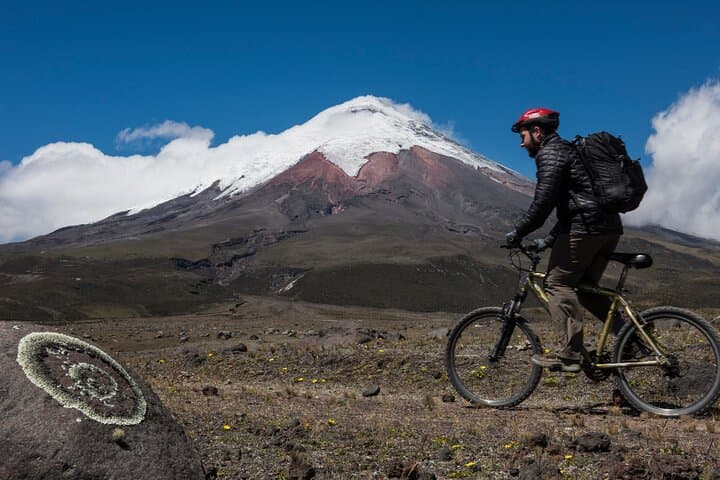
You push through the thin, bright air above the páramo as the trail turns and the volcano comes into full, uncompromising view. Gravel and volcanic ash sing under knobby tires; wind pulls at jacket hems and condors circle on the thermal currents. This is Cotopaxi National Park—an active stratovolcano, high Andean wetlands, and a landscape that tests both lungs and bike handling.
Verified experiences and guided adventures in the surrounding area.
Operated by Biking Dutchman · Quito, Pichincha
You push through the thin, bright air above the páramo as the trail turns and the volcano comes into full, uncompromising view. Gravel and volcanic ash sing under knobby tires; wind pulls at jacket hems and condors circle on the thermal currents. This is Cotopaxi National Park—an active stratovolcano, high Andean wetlands, and a landscape that tests both lungs and bike handling.
Cotopaxi’s slopes are carved from repeated eruptions over tens of thousands of years, leaving pumice fields, basalt ridges, and Inca-era trails. The route passes Limpiopungo Lake and the Inca ruins of Pucará del Salitre, places where pre-Columbian shepherding met volcanic upheaval. Local guides often point out vestiges of ash layers and describe how communities adapted livestock and crop cycles around eruption cycles.
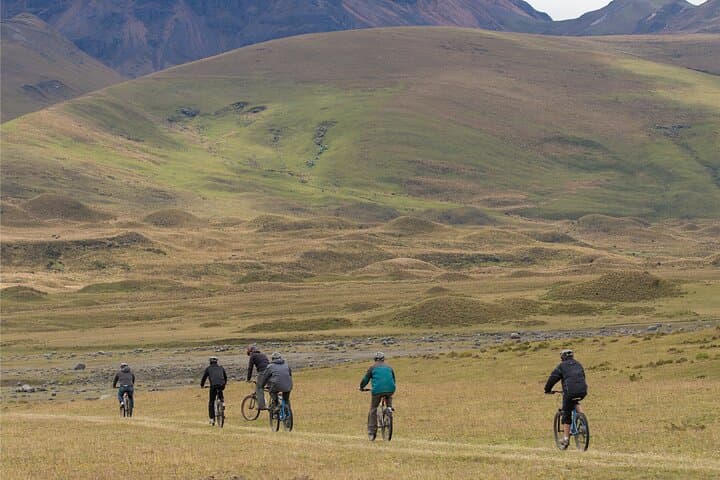
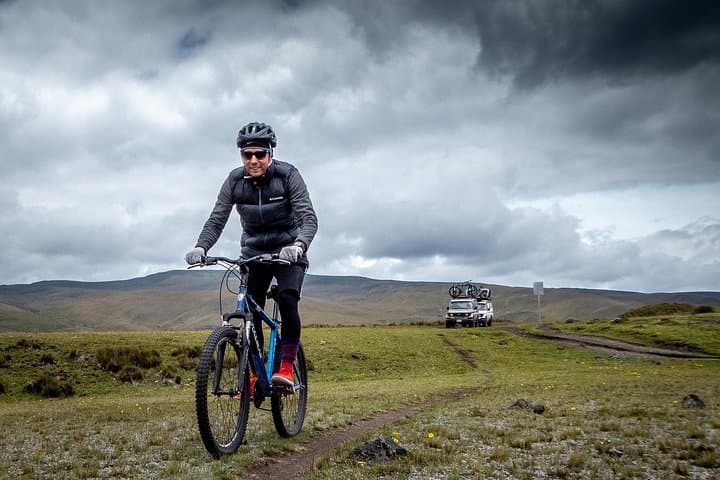
Expect high-elevation riding that alternates singletrack, packed dirt, and loose volcanic scree. The tour includes a support vehicle, hard-tail bikes, and lunch near archaeological remains—conveniences that make an ambitious day manageable. Practical notes: acclimatize in Quito for 24–48 hours if you’re coming from sea level; bring layered windproof clothing and a hydration system; plan for sudden weather changes—sun, wind, and drizzle can arrive within an hour.
Timing favors morning starts when dust is firm and afternoon winds build. Wildlife sightings—condors, Andean foxes, wild horses—are common in quieter sectors. Finish the day with a guided stroll through Quito’s historic center to compare highland solitude with colonial streets. For adventurous riders comfortable at altitude, this is a focused, high-reward day of riding and cultural context.
moderate.
8–9 hours.
Good cardiovascular fitness and prior off-road biking experience; must tolerate high altitude.
Trails sit around 3,600–4,000 meters; newcomers may feel breathless or have mild headaches—acclimatize in Quito and hydrate.
Yes—riders should be comfortable on loose surfaces, descending, and shifting under load; guides provide support but not basic instruction.
Private transport, hard-tail mountain bikes, a support vehicle, bilingual guide, lunch, and purified water are included.
Yes—the operator offers organic lunches and can cater to gluten-free, dairy-free, vegetarian and vegan diets with advance notice.
The Cotopaxi area contains pre-Inca and Inca period routes and sites where indigenous highland communities herded llamas and traded across mountain passes.
Cotopaxi National Park is protected; riders should stay on designated trails to limit erosion and respect wildlife by keeping distance and minimizing group noise.
Biking Dutchman operates guided outdoor trips and adventures with an emphasis on safety, stewardship, and memorable experiences.
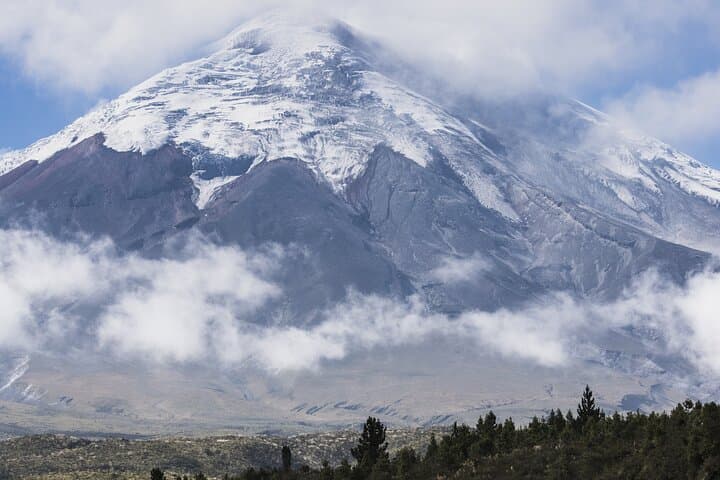
You push through the thin, bright air above the páramo as the trail turns and the volcano comes into full, uncompromising view. Gravel and volcanic ash sing under knobby tires; wind pulls at jacket hems and condors circle on the thermal currents. This is Cotopaxi National Park—an active stratovolcano, high Andean wetlands, and a landscape that tests both lungs and bike handling.
You push through the thin, bright air above the páramo as the trail turns and the volcano comes into full, uncompromising view. Gravel and volcanic ash sing under knobby tires; wind pulls at jacket hems and condors circle on the thermal currents. This is Cotopaxi National Park—an active stratovolcano, high Andean wetlands, and a landscape that tests both lungs and bike handling.
Cotopaxi’s slopes are carved from repeated eruptions over tens of thousands of years, leaving pumice fields, basalt ridges, and Inca-era trails. The route passes Limpiopungo Lake and the Inca ruins of Pucará del Salitre, places where pre-Columbian shepherding met volcanic upheaval. Local guides often point out vestiges of ash layers and describe how communities adapted livestock and crop cycles around eruption cycles.
Expect high-elevation riding that alternates singletrack, packed dirt, and loose volcanic scree. The tour includes a support vehicle, hard-tail bikes, and lunch near archaeological remains—conveniences that make an ambitious day manageable. Practical notes: acclimatize in Quito for 24–48 hours if you’re coming from sea level; bring layered windproof clothing and a hydration system; plan for sudden weather changes—sun, wind, and drizzle can arrive within an hour.
Timing favors morning starts when dust is firm and afternoon winds build. Wildlife sightings—condors, Andean foxes, wild horses—are common in quieter sectors. Finish the day with a guided stroll through Quito’s historic center to compare highland solitude with colonial streets. For adventurous riders comfortable at altitude, this is a focused, high-reward day of riding and cultural context.