THE ADVENTURE COLLECTIVE® · Independent discovery and booking for outdoor travel

Spend a day moving between medieval villages and rocky coves on a guided tour of Costa Brava. This full-day route pairs short walks, seaside views, and local food stops for an easy-paced introduction to Catalonia’s rugged coast.
Spend a day moving between medieval villages and rocky coves on a guided tour of Costa Brava. This full-day route pairs short walks, seaside views, and local food stops for an easy-paced introduction to Catalonia’s rugged coast.
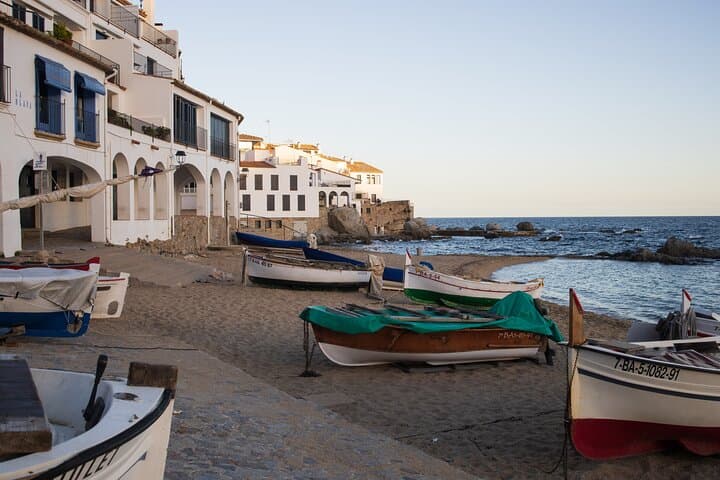
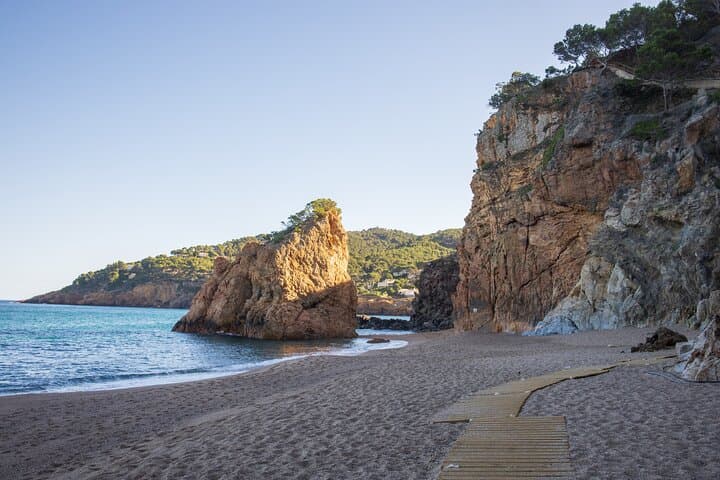
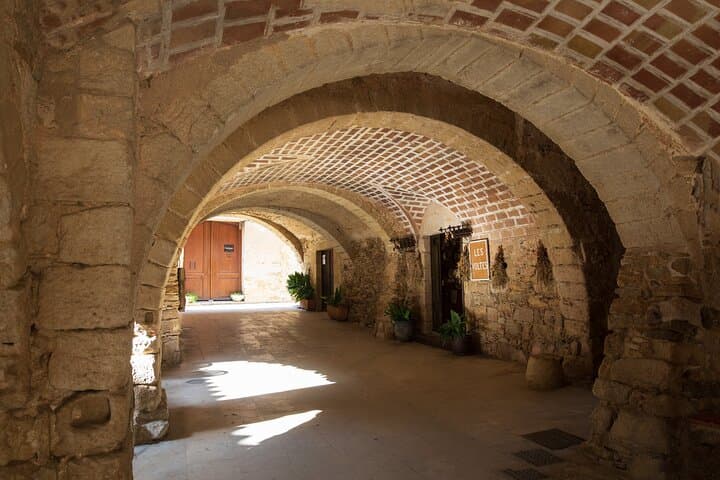
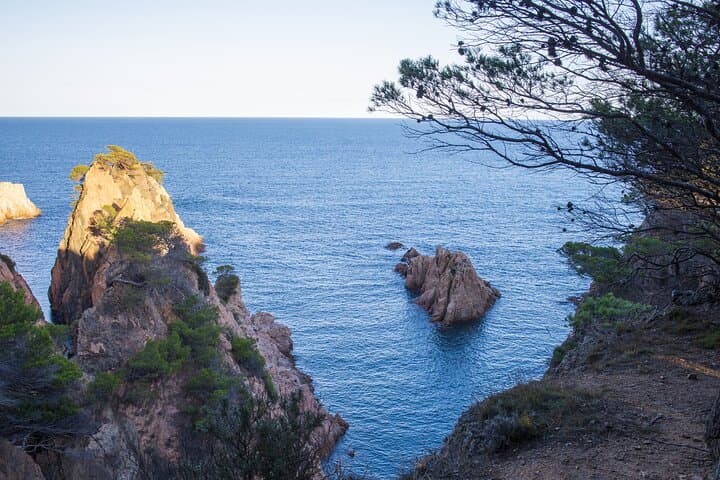
A morning on the Costa Brava begins with the sea at the edge of your window and a coach that eats the miles toward a coastline of cliffs, coves, and medieval streets. After about 90 minutes from Barcelona the bus slips into the winding lanes of Peratallada: stone archways, a XII-century wall and a moat that still gives the village an organized calm. You’ll move from cobbled alleys to low cliffs and sheltered sandy beaches in the same day — the landscape changes like pages in a field guide.
Verified experiences and guided adventures in the surrounding area.
Operated by Antonio Falcon · Peratallada, Catalonia
A morning on the Costa Brava begins with the sea at the edge of your window and a coach that eats the miles toward a coastline of cliffs, coves, and medieval streets. After about 90 minutes from Barcelona the bus slips into the winding lanes of Peratallada: stone archways, a XII-century wall and a moat that still gives the village an organized calm. You’ll move from cobbled alleys to low cliffs and sheltered sandy beaches in the same day — the landscape changes like pages in a field guide.
Geologically the Costa Brava is a rugged margin where ancient granite and metamorphic rocks meet Mediterranean sediments, producing dramatic headlands and hidden coves. Culturally the region carries a mix of fishing village traditions and Empordà inland farming—rice fields and sunflowers are part of the view from Pals; ceramics workshops echo a long local craft lineage. Begur’s ‘cases indianes’ reflect returning emigrants who brought wealth and architectural flourishes home in the 19th century.
Practical: this is a full-day, low-impact tour built around short walks (20–60 minute stops) and time to eat in Begur or Calella de Palafrugell. Bring layered clothing for coastal breezes, sturdy walking shoes for cobbles, sun protection for beach stretches, and cash for small artisan shops. Timing matters: spring and autumn offer milder weather and fewer crowds; summer is best for swimming but busiest. If you want a different focus — kayaking, ceramics demos, or extra beach time — notify the operator when booking. Expect easy mobility demands, a mix of guided walking and free time, and plenty of photo opportunities where cliffs dare you to look down and villages invite you to slow your pace.
easy.
9–10 hours.
Suitable for travelers in light to average fitness; involves short walks and standing periods but no strenuous hiking.
Most departures begin in Barcelona with return to the original pick-up point; confirm your specific pickup location when booking.
Children are welcome; the operator notes infants can ride in strollers and special child seats are available—notify in advance.
Lunch is not included; the itinerary schedules time in Begur or Calella to choose from local restaurants and cafés.
Yes—private or customized options (more beach time, kayaking, ceramics demos) are possible with prior arrangement.
The Empordà towns grew around medieval fortifications and 19th-century maritime trade; some coastal villas reflect the fortunes of emigrants who returned with colonial wealth.
The coast is popular and fragile—stick to marked paths, avoid trampling dune vegetation, and support local businesses that practice sustainable tourism.
Antonio Falcon operates guided outdoor trips and adventures with an emphasis on safety, stewardship, and memorable experiences.
A morning on the Costa Brava begins with the sea at the edge of your window and a coach that eats the miles toward a coastline of cliffs, coves, and medieval streets. After about 90 minutes from Barcelona the bus slips into the winding lanes of Peratallada: stone archways, a XII-century wall and a moat that still gives the village an organized calm. You’ll move from cobbled alleys to low cliffs and sheltered sandy beaches in the same day — the landscape changes like pages in a field guide.
A morning on the Costa Brava begins with the sea at the edge of your window and a coach that eats the miles toward a coastline of cliffs, coves, and medieval streets. After about 90 minutes from Barcelona the bus slips into the winding lanes of Peratallada: stone archways, a XII-century wall and a moat that still gives the village an organized calm. You’ll move from cobbled alleys to low cliffs and sheltered sandy beaches in the same day — the landscape changes like pages in a field guide.
Geologically the Costa Brava is a rugged margin where ancient granite and metamorphic rocks meet Mediterranean sediments, producing dramatic headlands and hidden coves. Culturally the region carries a mix of fishing village traditions and Empordà inland farming—rice fields and sunflowers are part of the view from Pals; ceramics workshops echo a long local craft lineage. Begur’s ‘cases indianes’ reflect returning emigrants who brought wealth and architectural flourishes home in the 19th century.
Practical: this is a full-day, low-impact tour built around short walks (20–60 minute stops) and time to eat in Begur or Calella de Palafrugell. Bring layered clothing for coastal breezes, sturdy walking shoes for cobbles, sun protection for beach stretches, and cash for small artisan shops. Timing matters: spring and autumn offer milder weather and fewer crowds; summer is best for swimming but busiest. If you want a different focus — kayaking, ceramics demos, or extra beach time — notify the operator when booking. Expect easy mobility demands, a mix of guided walking and free time, and plenty of photo opportunities where cliffs dare you to look down and villages invite you to slow your pace.