THE ADVENTURE COLLECTIVE® · Independent discovery and booking for outdoor travel

Spend a full day hiking 4–8 miles through the Columbia River Gorge with a local guide who tailors the route to your group. Expect waterfalls, basalt terraces, cultural history and a picnic lunch.
Spend a full day hiking 4–8 miles through the Columbia River Gorge with a local guide who tailors the route to your group. Expect waterfalls, basalt terraces, cultural history and a picnic lunch.
A cool morning settles into the Gorge as the Columbia River pushes along its carved bed and mist drifts from the base of a waterfall. Your guide checks boots and maps, listening to the group's pulse before picking a route—today could be a rainforest stair to a cathedral fall, a sweep across dry basalt terraces, or a steep drag to the cliffs overlooking the river.
Verified experiences and guided adventures in the surrounding area.
Operated by Terran Travels · Portland, Oregon
A cool morning settles into the Gorge as the Columbia River pushes along its carved bed and mist drifts from the base of a waterfall. Your guide checks boots and maps, listening to the group's pulse before picking a route—today could be a rainforest stair to a cathedral fall, a sweep across dry basalt terraces, or a steep drag to the cliffs overlooking the river.
The Columbia River Gorge stretches roughly 85 miles (137 km) from the Cascades to the inland plateau; its walls are pages of volcanic history—stacked basalt, columnar joints and terraces carved by Ice Age floods. Indigenous peoples, notably Chinookan-speaking tribes, lived and fished here for millennia; later, explorers and engineers routed rail and highway through the Gorge, turning it into a vital corridor that still hums with traffic and communities.
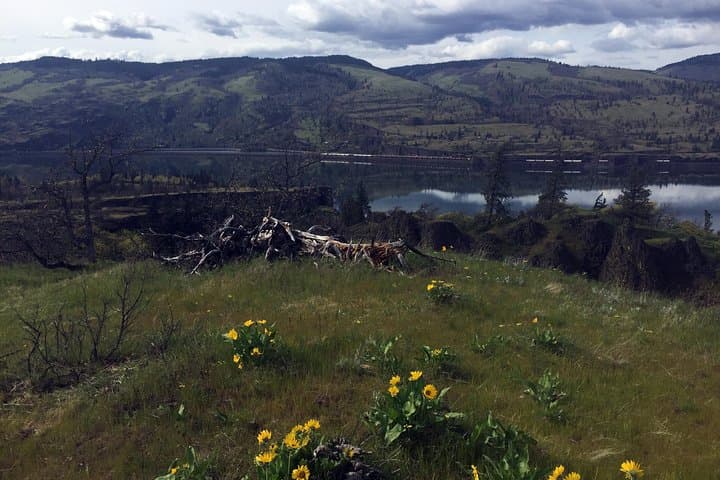
Culturally the Gorge blends outdoor recreation, wineries and small towns like Hood River; geologically it reads like a field guide—cataracts, monoliths (think Beacon Rock across the river) and fire-scarred slopes. Expect 4–8 miles (6–13 km) of hiking chosen to match the party, with elevation gains ranging from a few hundred feet to steeper sections depending on the trail.
Practical notes: wear sturdy hiking shoes, layer for wind and river spray, and carry a daypack with water, sun protection and spare warm clothing. The tour includes bottled water, snacks and a picnic lunch, and moves by air-conditioned vehicle between trailheads. Plan for 6–8 hours total; tell guides about any limitations up front. The Gorge can change fast—fog, wind and slick basalt are part of the terrain’s character—so steady footing and respect for trail closures keep the day rewarding.
moderate.
6–8 hours.
Moderate fitness; comfortable walking 4–8 miles with some sustained climbs and uneven terrain
Guides tailor the day to the group; expect 4–8 miles (6–13 km) of hiking spread across multiple trail segments.
Yes, the tour uses an air-conditioned vehicle to move between trailheads and includes pickup logistics at the meeting point.
Yes—bottled water, snacks and a picnic lunch are included in the tour price.
The tour requires a moderate level of fitness; short kids’ hikes are possible but those with mobility limits should contact the operator to discuss suitable options.
The Gorge has been a travel, trade and fishing corridor for Chinookan peoples for millennia; later the Lewis and Clark era and highway/rail construction shaped its modern accessibility.
Protected as the Columbia River Gorge National Scenic Area, the region balances recreation with invasive species management, fire recovery efforts and trail erosion control to protect fragile habitats.
Terran Travels operates guided outdoor trips and adventures with an emphasis on safety, stewardship, and memorable experiences.
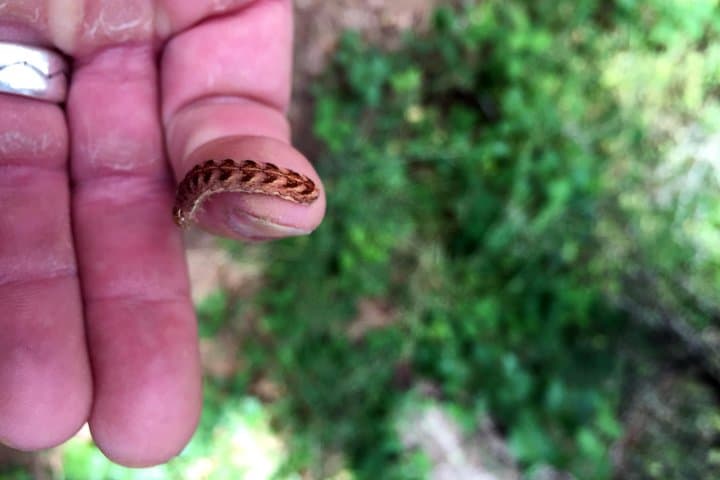
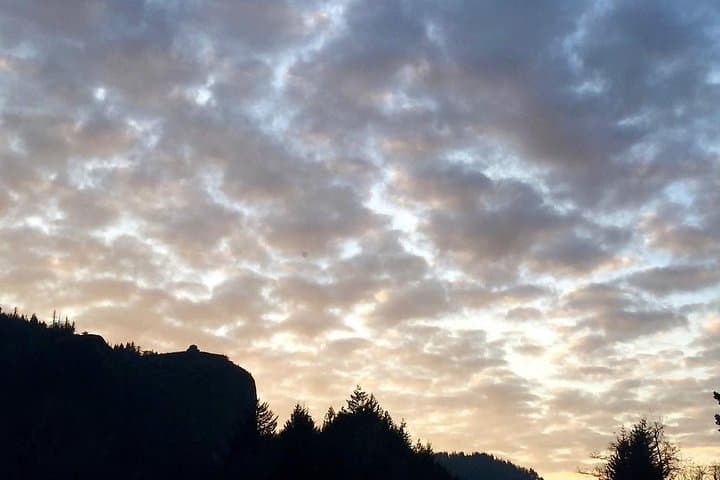
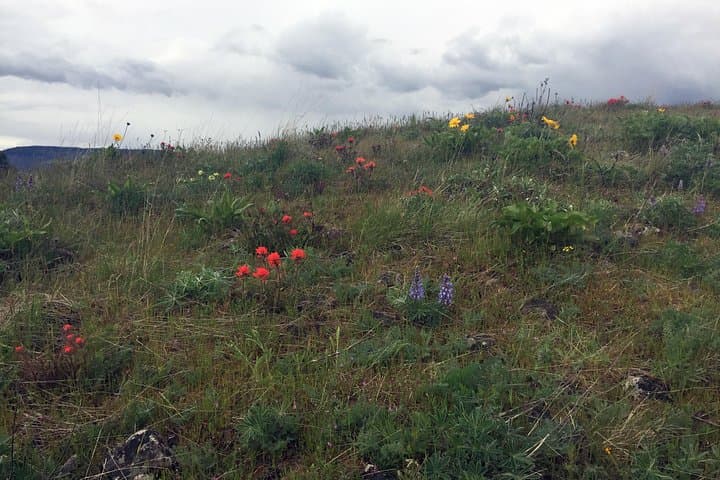
A cool morning settles into the Gorge as the Columbia River pushes along its carved bed and mist drifts from the base of a waterfall. Your guide checks boots and maps, listening to the group's pulse before picking a route—today could be a rainforest stair to a cathedral fall, a sweep across dry basalt terraces, or a steep drag to the cliffs overlooking the river.
A cool morning settles into the Gorge as the Columbia River pushes along its carved bed and mist drifts from the base of a waterfall. Your guide checks boots and maps, listening to the group's pulse before picking a route—today could be a rainforest stair to a cathedral fall, a sweep across dry basalt terraces, or a steep drag to the cliffs overlooking the river.
The Columbia River Gorge stretches roughly 85 miles (137 km) from the Cascades to the inland plateau; its walls are pages of volcanic history—stacked basalt, columnar joints and terraces carved by Ice Age floods. Indigenous peoples, notably Chinookan-speaking tribes, lived and fished here for millennia; later, explorers and engineers routed rail and highway through the Gorge, turning it into a vital corridor that still hums with traffic and communities.
Culturally the Gorge blends outdoor recreation, wineries and small towns like Hood River; geologically it reads like a field guide—cataracts, monoliths (think Beacon Rock across the river) and fire-scarred slopes. Expect 4–8 miles (6–13 km) of hiking chosen to match the party, with elevation gains ranging from a few hundred feet to steeper sections depending on the trail.
Practical notes: wear sturdy hiking shoes, layer for wind and river spray, and carry a daypack with water, sun protection and spare warm clothing. The tour includes bottled water, snacks and a picnic lunch, and moves by air-conditioned vehicle between trailheads. Plan for 6–8 hours total; tell guides about any limitations up front. The Gorge can change fast—fog, wind and slick basalt are part of the terrain’s character—so steady footing and respect for trail closures keep the day rewarding.