THE ADVENTURE COLLECTIVE® · Independent discovery and booking for outdoor travel

Watch Andean condors surf canyon thermals, visit centuries‑old villages, and relax in thermal baths on a long, full‑day trip from Arequipa. This guided tour combines geology, wildlife viewing, and local culture with practical stops for acclimatization and photos.
Watch Andean condors surf canyon thermals, visit centuries‑old villages, and relax in thermal baths on a long, full‑day trip from Arequipa. This guided tour combines geology, wildlife viewing, and local culture with practical stops for acclimatization and photos.
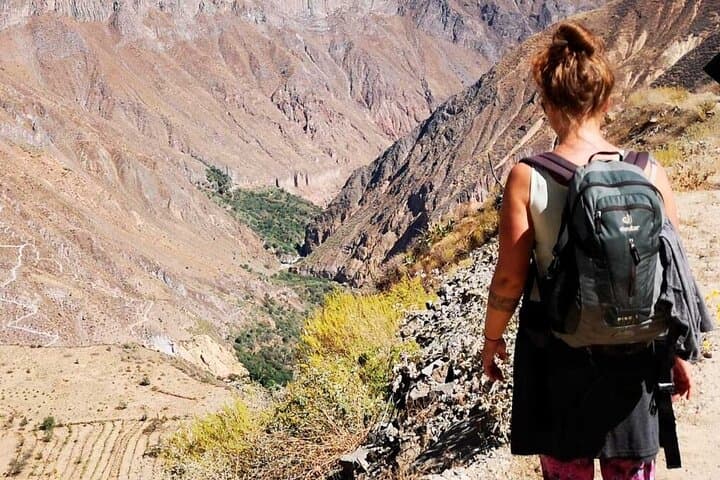
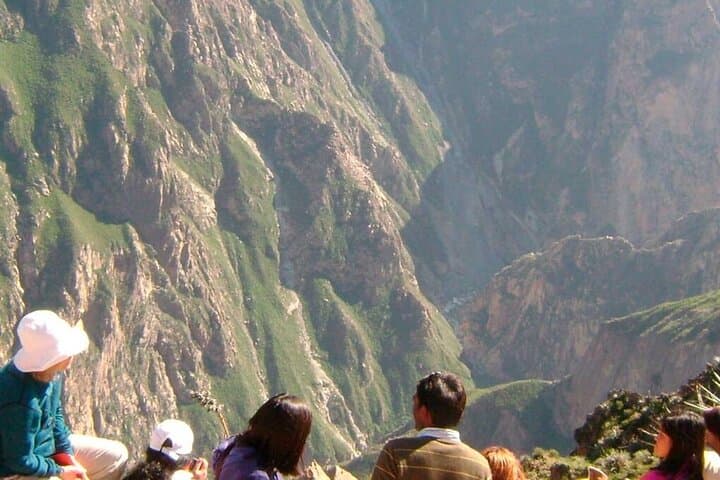
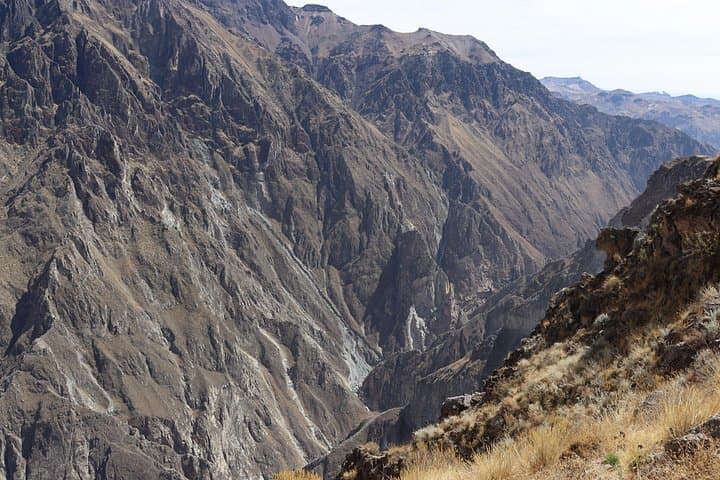
At 3:00 AM the bus pulls out of Arequipa and the night thins into high‑altitude dawn. The road climbs onto the puna—open grasslands punctuated by solitary volcanoes—until the valley walls of Colca hinge open like a carved fault. At Cruz del Cóndor you stand on a wind-scoured rim watching Andean condors wheel on thermals, their black wings outlined against a canyon that drops more than a thousand meters beneath the viewpoint.
Verified experiences and guided adventures in the surrounding area.
Operated by Aremika Travel · Chivay, Arequipa Region
At 3:00 AM the bus pulls out of Arequipa and the night thins into high‑altitude dawn. The road climbs onto the puna—open grasslands punctuated by solitary volcanoes—until the valley walls of Colca hinge open like a carved fault. At Cruz del Cóndor you stand on a wind-scoured rim watching Andean condors wheel on thermals, their black wings outlined against a canyon that drops more than a thousand meters beneath the viewpoint.
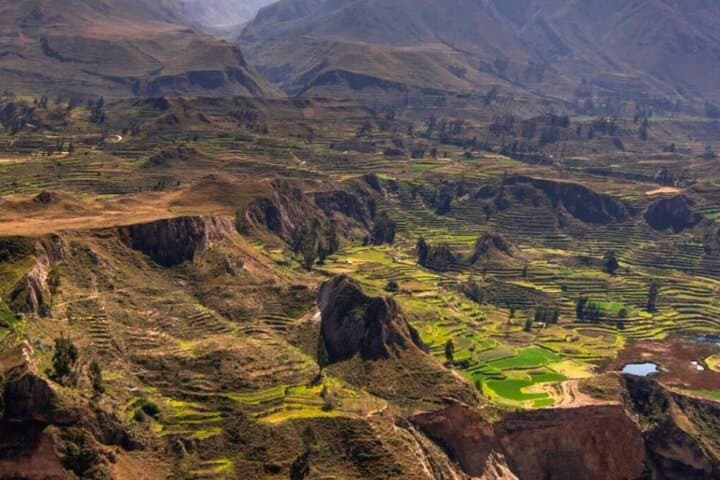
This landscape is layered history: pre-Inca agricultural terraces cut into the slopes, colonial villages that keep Spanish-era churches and artisanal markets, and volcanic peaks—Misti, Chachani, Sabancaya—that frame the horizon. Geologically, Colca is a deep river incision into Tertiary volcanic deposits, its depth magnified by tectonic uplift and millennia of erosion.
Culturally the day moves at a steady pace—breakfast in Chivay, stops in Maca and Yanque for handicrafts and baroque churches, and optional soaking at La Calera hot springs to ease legs tightened by altitude. Wildlife punctuates the drive: vicuñas and llamas graze in protected highlands, and if you’re lucky a condor may drift within camera range.
Practicalities: be prepared for a long, early day (hotel pickup and return to Arequipa by late afternoon), high elevations up to ~4,900 m at Patapampa, and variable sun and wind. Bring layered clothing, sun protection, reusable water, and modest cash for markets and the hot springs. The route is accessible to most fitness levels but altitude is the real variable—allow time to acclimatize in Arequipa before you go.
moderate.
14–15 hours.
Suitable for travelers in moderate fitness who can handle long vehicle days and short walks at high altitude; not strenuous but expect long periods standing and light hikes.
Pickup is around 3:00 AM in Arequipa and the full day returns mid‑late afternoon (about 14–15 hours total).
La Calera hot springs are optional and typically not included in standard lunch/inclusions—bring cash for entry or confirm during booking.
Condors are commonly observed riding thermals in the morning, but sightings are not guaranteed—clear, calm mornings improve chances.
The itinerary reaches high viewpoints (~4,900 m); travelers with heart or severe respiratory issues, pregnancy, or spinal problems should avoid it—acclimatize beforehand and consult a doctor if unsure.
The Colca Valley hosts continuous human agriculture since pre-Inca times; terraces and irrigation channels reflect centuries of Andean farming ingenuity.
Salinas and Aguada Blanca Reserve protects high‑altitude habitats and camelids—stay on roads and trails, respect livestock and avoid feeding wildlife.
Aremika Travel operates guided outdoor trips and adventures with an emphasis on safety, stewardship, and memorable experiences.
At 3:00 AM the bus pulls out of Arequipa and the night thins into high‑altitude dawn. The road climbs onto the puna—open grasslands punctuated by solitary volcanoes—until the valley walls of Colca hinge open like a carved fault. At Cruz del Cóndor you stand on a wind-scoured rim watching Andean condors wheel on thermals, their black wings outlined against a canyon that drops more than a thousand meters beneath the viewpoint.
At 3:00 AM the bus pulls out of Arequipa and the night thins into high‑altitude dawn. The road climbs onto the puna—open grasslands punctuated by solitary volcanoes—until the valley walls of Colca hinge open like a carved fault. At Cruz del Cóndor you stand on a wind-scoured rim watching Andean condors wheel on thermals, their black wings outlined against a canyon that drops more than a thousand meters beneath the viewpoint.
This landscape is layered history: pre-Inca agricultural terraces cut into the slopes, colonial villages that keep Spanish-era churches and artisanal markets, and volcanic peaks—Misti, Chachani, Sabancaya—that frame the horizon. Geologically, Colca is a deep river incision into Tertiary volcanic deposits, its depth magnified by tectonic uplift and millennia of erosion.
Culturally the day moves at a steady pace—breakfast in Chivay, stops in Maca and Yanque for handicrafts and baroque churches, and optional soaking at La Calera hot springs to ease legs tightened by altitude. Wildlife punctuates the drive: vicuñas and llamas graze in protected highlands, and if you’re lucky a condor may drift within camera range.
Practicalities: be prepared for a long, early day (hotel pickup and return to Arequipa by late afternoon), high elevations up to ~4,900 m at Patapampa, and variable sun and wind. Bring layered clothing, sun protection, reusable water, and modest cash for markets and the hot springs. The route is accessible to most fitness levels but altitude is the real variable—allow time to acclimatize in Arequipa before you go.