THE ADVENTURE COLLECTIVE® · Independent discovery and booking for outdoor travel

A long, high-contrast day from Arequipa into Colca Valley: condors wheel over one of the planet’s deepest canyons, highland terraces glint in sunlight, and mineral-rich hot springs offer a warm finish. Read on for what to expect and how to prepare.
A long, high-contrast day from Arequipa into Colca Valley: condors wheel over one of the planet’s deepest canyons, highland terraces glint in sunlight, and mineral-rich hot springs offer a warm finish. Read on for what to expect and how to prepare.
The air thins and cools as the road climbs away from Arequipa, volcanic peaks tightening around the bus until, at Patapampa (4,910 m), you stand at a rim where the high Andes spill into shadow and light.
Verified experiences and guided adventures in the surrounding area.
Operated by Abelardo Garrafa Quispe · Chivay, Arequipa
The air thins and cools as the road climbs away from Arequipa, volcanic peaks tightening around the bus until, at Patapampa (4,910 m), you stand at a rim where the high Andes spill into shadow and light.
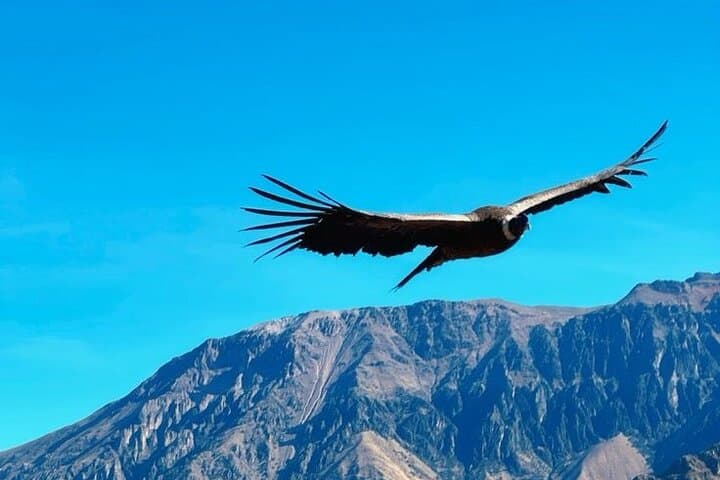
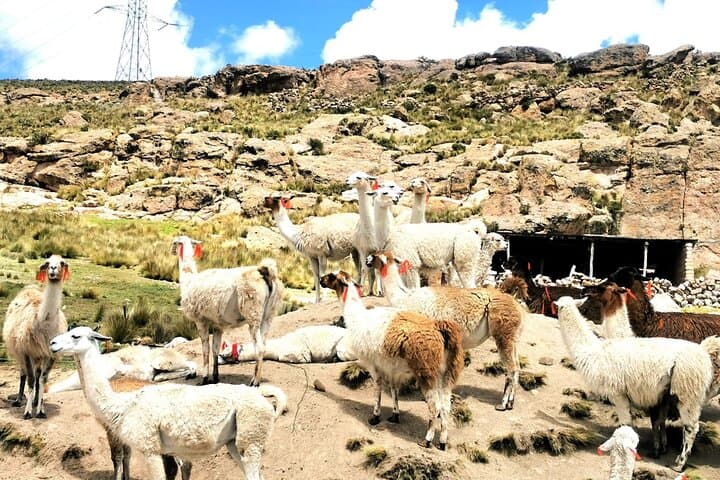
This full-day circuit moves from wide puna grasslands and Apachetas to the dramatic drop of Colca Canyon — one of the world’s deepest — where thermals lift the Andean condor in slow, patient spirals. Along the route you’ll pass Inca and pre-Inca agricultural terraces carved into steep valley walls; these stone platforms, still farmed, speak to centuries of highland ingenuity.
Geology here is raw: layered volcanic deposits and canyon walls carved by the Colca River. Cultural notes arrive as hamlets — Chivay and Maca — with whitewashed churches like Santa Ana de Maca and local markets selling textiles and prickly pear-based Colca sour.
Practical guidance: expect a long day (most itineraries are 12–16 hours door-to-door from Arequipa). The big variables are altitude and sun: mornings at 4,900 m can bite with wind and cold while midday in the valley warms quickly. Carry water, sun protection, and warm layers; move slowly if you feel light-headed and consider coca tea or paced breathing for mild altitude effects.
Stops typically include Cruz del Condor viewpoints for condor watching, village photo-stops, a buffet lunch in Chivay, and optional hot springs at Yanque. The tour is road- and viewpoint-focused — minimal hiking required — making it accessible for travelers who want dramatic Andean scenery and wildlife in a single, well-paced day.
easy.
12–16 hours.
Minimal hiking required but expect long time in a vehicle and short walks on uneven ground; basic mobility recommended.
Typical departures are early morning from Arequipa and return the same evening; total time is commonly 12–16 hours including travel and stops.
Cruz del Condor is a reliable viewing point; sightings are common in the morning when thermals lift the birds, though wildlife sightings can’t be guaranteed.
Yes — the itinerary involves minimal hiking and regular stops, but long vehicle time and altitude mean families should plan accordingly.
Acclimatize in Arequipa for a night or two, hydrate, avoid heavy meals and alcohol before the tour, and consider coca tea or acetazolamide if recommended by a doctor.
The Colca Valley features terraces and irrigation systems dating to pre-Inca and Inca periods (15th–16th centuries), still cultivated by local communities.
The region balances tourism and traditional pastoral farming; visitors should stick to paths, avoid feeding wildlife, and respect local agricultural plots to reduce impact.
Abelardo Garrafa Quispe operates guided outdoor trips and adventures with an emphasis on safety, stewardship, and memorable experiences.
The air thins and cools as the road climbs away from Arequipa, volcanic peaks tightening around the bus until, at Patapampa (4,910 m), you stand at a rim where the high Andes spill into shadow and light.
The air thins and cools as the road climbs away from Arequipa, volcanic peaks tightening around the bus until, at Patapampa (4,910 m), you stand at a rim where the high Andes spill into shadow and light.
This full-day circuit moves from wide puna grasslands and Apachetas to the dramatic drop of Colca Canyon — one of the world’s deepest — where thermals lift the Andean condor in slow, patient spirals. Along the route you’ll pass Inca and pre-Inca agricultural terraces carved into steep valley walls; these stone platforms, still farmed, speak to centuries of highland ingenuity.
Geology here is raw: layered volcanic deposits and canyon walls carved by the Colca River. Cultural notes arrive as hamlets — Chivay and Maca — with whitewashed churches like Santa Ana de Maca and local markets selling textiles and prickly pear-based Colca sour.
Practical guidance: expect a long day (most itineraries are 12–16 hours door-to-door from Arequipa). The big variables are altitude and sun: mornings at 4,900 m can bite with wind and cold while midday in the valley warms quickly. Carry water, sun protection, and warm layers; move slowly if you feel light-headed and consider coca tea or paced breathing for mild altitude effects.
Stops typically include Cruz del Condor viewpoints for condor watching, village photo-stops, a buffet lunch in Chivay, and optional hot springs at Yanque. The tour is road- and viewpoint-focused — minimal hiking required — making it accessible for travelers who want dramatic Andean scenery and wildlife in a single, well-paced day.