THE ADVENTURE COLLECTIVE® · Independent discovery and booking for outdoor travel

Paddle narrow mangrove channels, hike a lively monkey trail, then taste bean-to-bar chocolate on an intimate full-day private tour from Guayaquil. Expect close bird encounters, a 1.5‑hour forest hike, and a farm lunch with tastings.
Paddle narrow mangrove channels, hike a lively monkey trail, then taste bean-to-bar chocolate on an intimate full-day private tour from Guayaquil. Expect close bird encounters, a 1.5‑hour forest hike, and a farm lunch with tastings.
You push past a sun-warmed mangrove fringe and the estuary opens, birds wheel and call as a narrow fishing canoe slips between roots that seem to grip the water itself.
Verified experiences and guided adventures in the surrounding area.
Operated by Ecuador Farm Tours · Guayaquil, Guayas
You push past a sun-warmed mangrove fringe and the estuary opens, birds wheel and call as a narrow fishing canoe slips between roots that seem to grip the water itself.
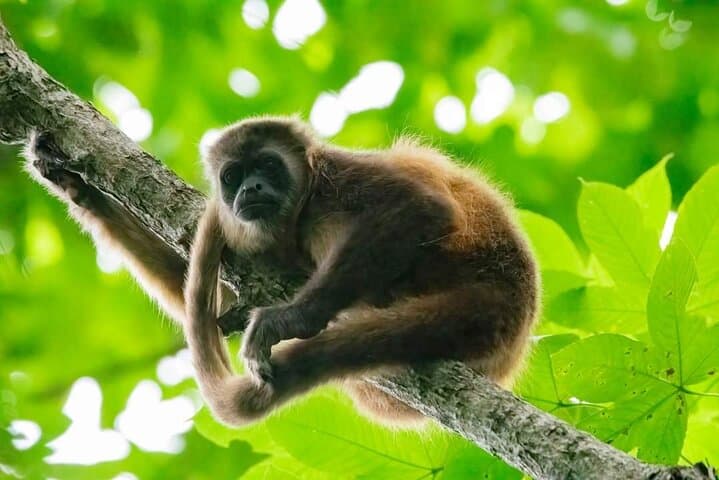
Churute’s low coastal hills and tidal channels are living geology — compacted alluvium shaped by rivers and tides rather than ice — and the Pancho Diablo trail climbs and drops through humid tropical forest. Historically the area has been a working landscape for coastal communities, its mangroves crucial for fisheries and as a buffer for Guayaquil’s shoreline. The tour pairs wildlife-focused paddling with a hill walk where capuchin and howler monkeys broadcast their territory; expect roughly 1.5 hours of up-and-down trail with about 100–150 m (300–500 ft) cumulative elevation gain on uneven, sometimes muddy footpaths.
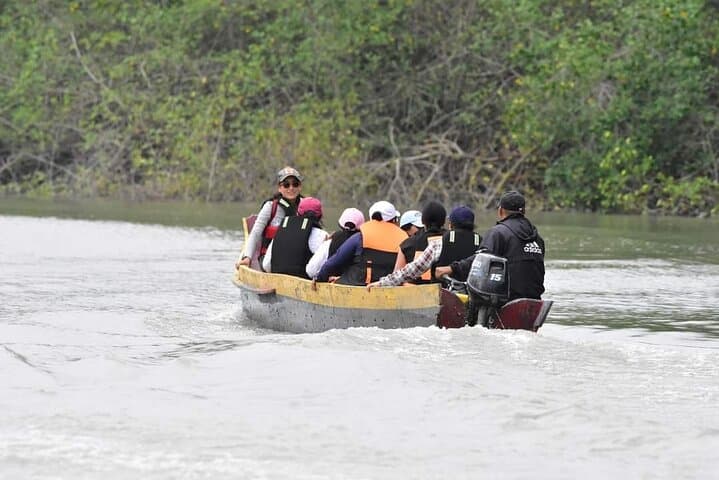
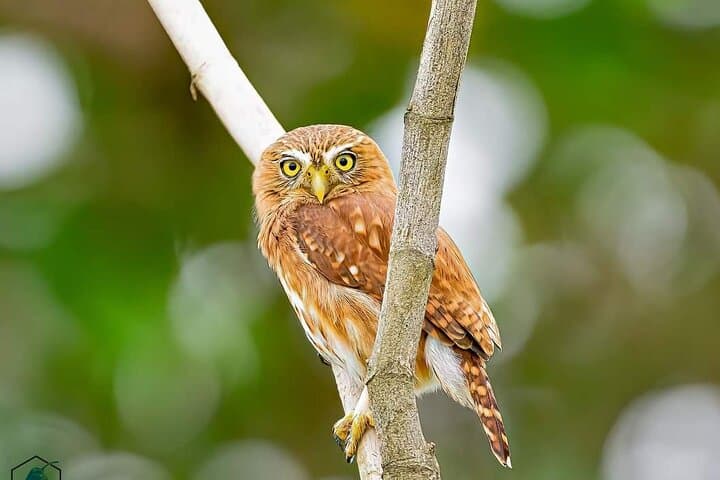
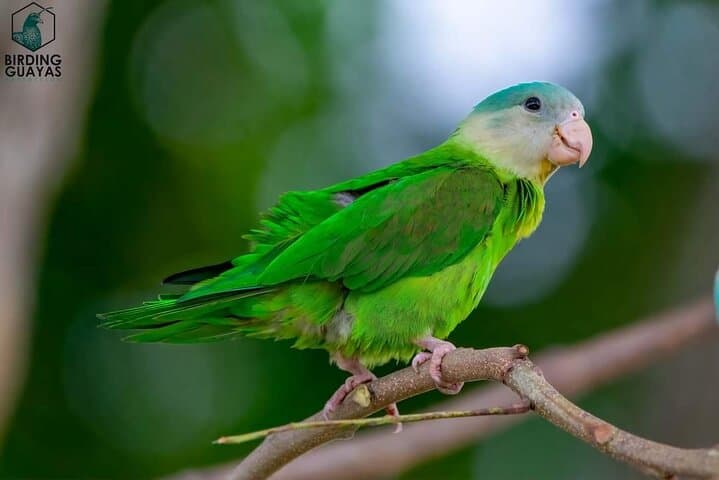
After morning navigation in fishermen’s canoes (life jackets mandatory) and birdwatching for migratory species and herons, the afternoon moves to Hacienda Cacaoymango. Here local farming practices meet hands-on food culture: a three-course lunch followed by a chocolate workshop that traces bean-to-bar steps, and tastings of coffee, vanilla and some 40–50 tropical fruits grown on the property.
Practical guidance: the full program runs about 7–8 hours with hotel pickup in Guayaquil; bring layered rain protection, sturdy treaded shoes for roots and mud, and binoculars for bird ID. Respect marked trails, keep noise low near monkey territory, and carry cash for small purchases. Timing your visit for morning light improves wildlife encounters and keeps the heat manageable.
moderate.
7–8 hours.
Moderate fitness needed for a 1.5‑hour uneven trail with short climbs and several hours of standing/boarding canoes
Yes — transfers and hotel pickup/drop-off in Guayaquil are included in the tour price.
Yes — fishermen’s canoes are equipped with life jackets and their use is mandatory during navigation.
Infants and small children can participate; the hike is moderate but the operator notes stroller accessibility for short stretches and family-friendly pacing.
Most tour inclusions are covered, but bring small cash for souvenirs or additional refreshments at the hacienda.
Churute’s mangroves have long supported coastal communities and fisheries; the reserve protects these intertidal forests and nearby low hills that local farms cultivate.
Stay on designated trails and avoid single-use plastics; supporting small local operators helps maintain sustainable agroforestry and wildlife-friendly farming.
Ecuador Farm Tours operates guided outdoor trips and adventures with an emphasis on safety, stewardship, and memorable experiences.
You push past a sun-warmed mangrove fringe and the estuary opens, birds wheel and call as a narrow fishing canoe slips between roots that seem to grip the water itself.
You push past a sun-warmed mangrove fringe and the estuary opens, birds wheel and call as a narrow fishing canoe slips between roots that seem to grip the water itself.
Churute’s low coastal hills and tidal channels are living geology — compacted alluvium shaped by rivers and tides rather than ice — and the Pancho Diablo trail climbs and drops through humid tropical forest. Historically the area has been a working landscape for coastal communities, its mangroves crucial for fisheries and as a buffer for Guayaquil’s shoreline. The tour pairs wildlife-focused paddling with a hill walk where capuchin and howler monkeys broadcast their territory; expect roughly 1.5 hours of up-and-down trail with about 100–150 m (300–500 ft) cumulative elevation gain on uneven, sometimes muddy footpaths.
After morning navigation in fishermen’s canoes (life jackets mandatory) and birdwatching for migratory species and herons, the afternoon moves to Hacienda Cacaoymango. Here local farming practices meet hands-on food culture: a three-course lunch followed by a chocolate workshop that traces bean-to-bar steps, and tastings of coffee, vanilla and some 40–50 tropical fruits grown on the property.
Practical guidance: the full program runs about 7–8 hours with hotel pickup in Guayaquil; bring layered rain protection, sturdy treaded shoes for roots and mud, and binoculars for bird ID. Respect marked trails, keep noise low near monkey territory, and carry cash for small purchases. Timing your visit for morning light improves wildlife encounters and keeps the heat manageable.