THE ADVENTURE COLLECTIVE® · Independent discovery and booking for outdoor travel

A demanding yet accessible 21 km day trek from 1,550 m to 2,100 m across tea, spice and coffee plantations in the Western Ghats. Expect rocky benches, village lanes and sweeping valley views with guide, meals and entrance fee included.
A demanding yet accessible 21 km day trek from 1,550 m to 2,100 m across tea, spice and coffee plantations in the Western Ghats. Expect rocky benches, village lanes and sweeping valley views with guide, meals and entrance fee included.
A damp morning breaks over the Western Ghats as a small group sets off from 1,550 m, boots sinking into soft soil that still holds last night’s mist. The track threads through clipped tea rows that incline like an audience, then opens to grassland and rocky ledges where the valley pulls the eye to distant ridgelines. By 09:30 the trail tops out near 2,100 m and offers a wide sweep of tea-planted slopes and carved valleys, a view earned after steady climbing.
Verified experiences and guided adventures in the surrounding area.
Operated by munnar valley trekking & tours · Munnar, Kerala
A damp morning breaks over the Western Ghats as a small group sets off from 1,550 m, boots sinking into soft soil that still holds last night’s mist. The track threads through clipped tea rows that incline like an audience, then opens to grassland and rocky ledges where the valley pulls the eye to distant ridgelines. By 09:30 the trail tops out near 2,100 m and offers a wide sweep of tea-planted slopes and carved valleys, a view earned after steady climbing.
The Chokaramudi route crosses country shaped by ancient gneiss and schist, soils long converted to plantation agriculture since the 19th-century British expansion of tea. Today smallholder farms grow coffee, cardamom and a mix of local spices; the walk passes households and spice gardens that preserve traditional cropping alongside commercial tea estates.
Expect varied terrain: packed plantation tracks, grassy benches, exposed rock and short village lanes across 21 km with roughly 550 m of ascent. The operator includes tea-entrance fee, guide, breakfast, lunch, snacks and water; pickup and drop can be arranged. Practical planning matters—start early to avoid afternoon showers, wear supportive footwear for slippery roots and rocks, and carry layers for rapidly changing mountain weather. Hydrate steadily; the pace is continuous but manageable for fit day-hikers.
This is a full day of steady effort rewarded by wide valley views, hands-on encounters with spice cultivation and a close look at hillside life in Munnar—an accessible, strenuous walk that combines scenery, culture and working landscape.
challenging.
8–9 hours.
Good cardiovascular fitness and endurance for sustained walking over 21 km with intermittent steep sections; comfortable on uneven terrain.
The route covers about 21 km round-trip with roughly 550 m of net ascent, typically completed in 8–9 hours including breaks.
The tour includes a guide, tea-plantation entrance ticket, breakfast, lunch, snacks, bottled water and basic luggage storage at the meeting point.
Children and inexperienced hikers may find the distance and mixed terrain challenging; participants should have at least moderate fitness and experience with day hikes.
The dry months (October–May) offer more reliable weather and clearer views; avoid heavy monsoon months if you want firmer trails and less slipping.
Tea plantations became widespread here in the late 19th and early 20th centuries, reshaping land use from native shola-grassland mosaics to staggered estates and smallholder farms.
Stick to trails to limit erosion and disturbance to fragile high-elevation ecosystems; supporting local guides and smallholder stops directs tourism income to communities.
munnar valley trekking & tours operates guided outdoor trips and adventures with an emphasis on safety, stewardship, and memorable experiences.
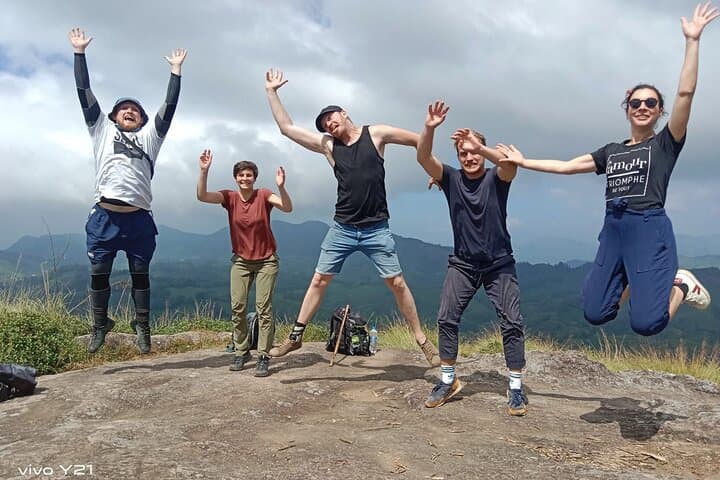
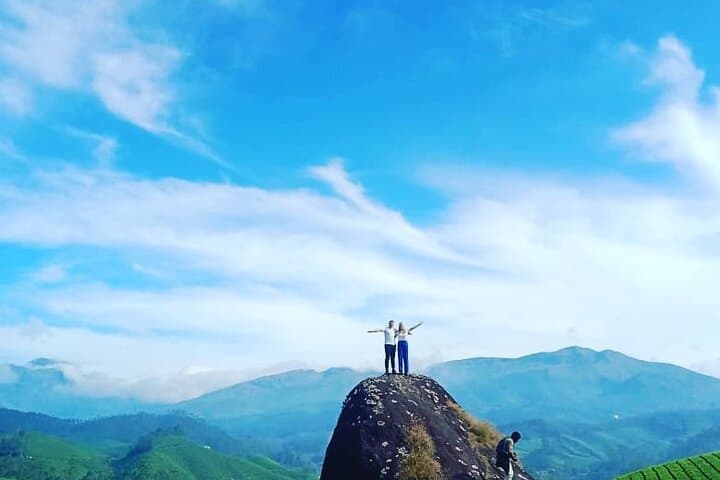

A damp morning breaks over the Western Ghats as a small group sets off from 1,550 m, boots sinking into soft soil that still holds last night’s mist. The track threads through clipped tea rows that incline like an audience, then opens to grassland and rocky ledges where the valley pulls the eye to distant ridgelines. By 09:30 the trail tops out near 2,100 m and offers a wide sweep of tea-planted slopes and carved valleys, a view earned after steady climbing.
A damp morning breaks over the Western Ghats as a small group sets off from 1,550 m, boots sinking into soft soil that still holds last night’s mist. The track threads through clipped tea rows that incline like an audience, then opens to grassland and rocky ledges where the valley pulls the eye to distant ridgelines. By 09:30 the trail tops out near 2,100 m and offers a wide sweep of tea-planted slopes and carved valleys, a view earned after steady climbing.
The Chokaramudi route crosses country shaped by ancient gneiss and schist, soils long converted to plantation agriculture since the 19th-century British expansion of tea. Today smallholder farms grow coffee, cardamom and a mix of local spices; the walk passes households and spice gardens that preserve traditional cropping alongside commercial tea estates.
Expect varied terrain: packed plantation tracks, grassy benches, exposed rock and short village lanes across 21 km with roughly 550 m of ascent. The operator includes tea-entrance fee, guide, breakfast, lunch, snacks and water; pickup and drop can be arranged. Practical planning matters—start early to avoid afternoon showers, wear supportive footwear for slippery roots and rocks, and carry layers for rapidly changing mountain weather. Hydrate steadily; the pace is continuous but manageable for fit day-hikers.
This is a full day of steady effort rewarded by wide valley views, hands-on encounters with spice cultivation and a close look at hillside life in Munnar—an accessible, strenuous walk that combines scenery, culture and working landscape.