THE ADVENTURE COLLECTIVE® · Independent discovery and booking for outdoor travel

Spend a full, guided day inside Chobe National Park—home to the world’s densest concentration of elephants—crossing the border from Victoria Falls to Kasane for guided game drives, a bush lunch, and a classic African sundowner.
Spend a full, guided day inside Chobe National Park—home to the world’s densest concentration of elephants—crossing the border from Victoria Falls to Kasane for guided game drives, a bush lunch, and a classic African sundowner.
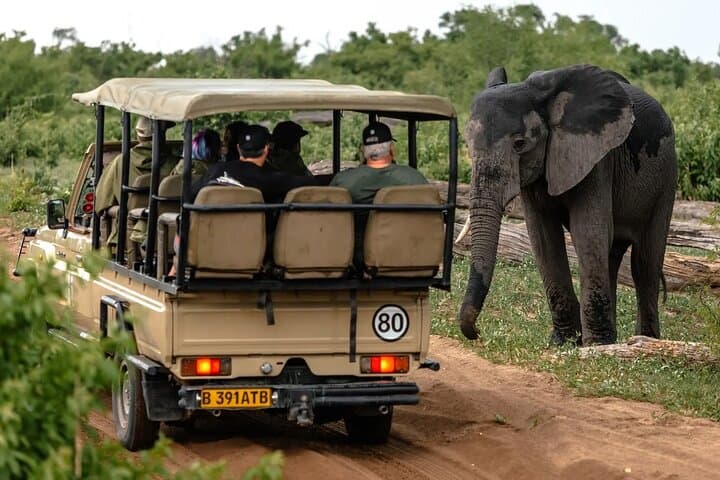
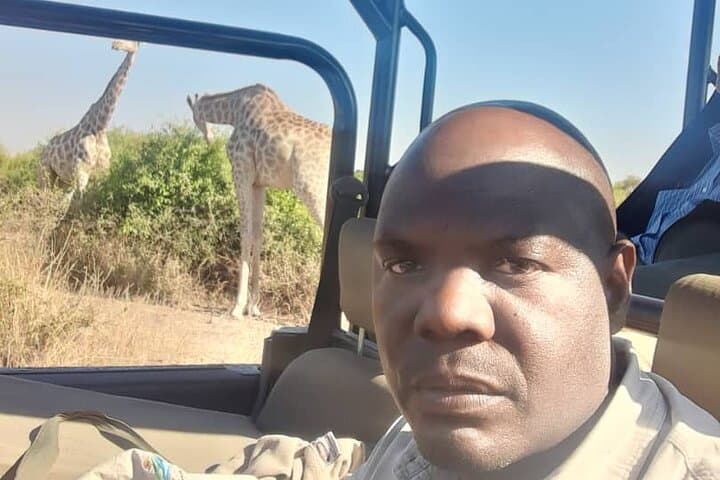
The day begins before dawn as the transfer pulls away from Victoria Falls and the road hums toward the Botswana border. Dust lifts off the potholes, and the Chobe River appears on the horizon like a moving mirror; elephants already line its banks, trunks curled and deliberate. Guides scan the canopy, voices low and precise, steering the vehicle toward herds and loners alike.
Verified experiences and guided adventures in the surrounding area.
Operated by Bantu Safaris Southern Africa · Kasane, Chobe District
The day begins before dawn as the transfer pulls away from Victoria Falls and the road hums toward the Botswana border. Dust lifts off the potholes, and the Chobe River appears on the horizon like a moving mirror; elephants already line its banks, trunks curled and deliberate. Guides scan the canopy, voices low and precise, steering the vehicle toward herds and loners alike.
Chobe National Park sits on an alluvial floodplain fed by the Zambezi; seasonal floods carve channels and gather game. The geology is uncomplicated—riverine sandbars, mopane and acacia woodlands—yet its concentration of elephants is unmatched. The region’s human history runs from Tswana communities and elephant hunters to colonial-era game management and modern cross-border tourism centered on Kasane and Victoria Falls.
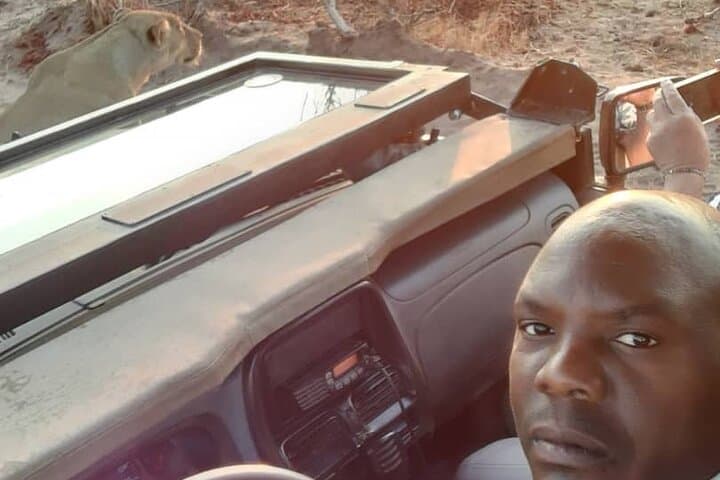
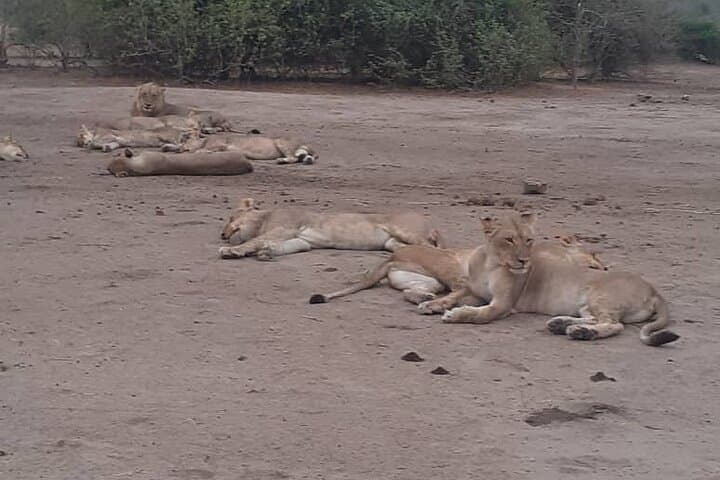
Culturally the day blends local hospitality and fieldcraft: expect a bush lunch under acacia shade, tea and coffee stops, and a late-afternoon sundowner as the sky deepens. Wildlife encounters vary by season—large bull elephants cruising open floodplains, lion prides in thick cover, and prowling leopards at the edge of light.
Practically, prepare for long hours in an open safari vehicle: bring sun protection, a good pair of binoculars, and a neutral wardrobe for photos and comfort. Carry your passport and check visa rules for Botswana; border formalities are standard and can add time. Vehicles traverse dusty tracks—motion-friendly footwear and layered clothing help with temperature swings. With an experienced guide, the day is designed to maximize sightings while minimizing risk, closing with a return drive as the African light goes flat and gold.
easy.
10–11 hours.
No special fitness required but be prepared to sit for long periods and step in/out of safari vehicles; minimal walking.
Visa requirements depend on nationality; check government sites and carry your passport—some visitors obtain visas on arrival, others must arrange one in advance.
The tour includes coffee/tea, bottled water, snacks and a bush lunch, with select sundowner drinks provided as described in the itinerary.
Photography is encouraged—bring a telephoto lens—but expect limited or no Wi‑Fi during the safari; signal is intermittent outside towns.
Children can join but infants typically must sit on an adult’s lap; check operator policies for age limits and safety measures.
The Chobe region has long been inhabited by Tswana-speaking communities; game management evolved under colonial administration into today’s protected-areas system connecting Botswana and Zimbabwe.
Chobe faces pressures from poaching and human–wildlife conflict; support operators who contribute to local conservation fees and practice low-impact viewing.
Bantu Safaris Southern Africa operates guided outdoor trips and adventures with an emphasis on safety, stewardship, and memorable experiences.
The day begins before dawn as the transfer pulls away from Victoria Falls and the road hums toward the Botswana border. Dust lifts off the potholes, and the Chobe River appears on the horizon like a moving mirror; elephants already line its banks, trunks curled and deliberate. Guides scan the canopy, voices low and precise, steering the vehicle toward herds and loners alike.
The day begins before dawn as the transfer pulls away from Victoria Falls and the road hums toward the Botswana border. Dust lifts off the potholes, and the Chobe River appears on the horizon like a moving mirror; elephants already line its banks, trunks curled and deliberate. Guides scan the canopy, voices low and precise, steering the vehicle toward herds and loners alike.
Chobe National Park sits on an alluvial floodplain fed by the Zambezi; seasonal floods carve channels and gather game. The geology is uncomplicated—riverine sandbars, mopane and acacia woodlands—yet its concentration of elephants is unmatched. The region’s human history runs from Tswana communities and elephant hunters to colonial-era game management and modern cross-border tourism centered on Kasane and Victoria Falls.
Culturally the day blends local hospitality and fieldcraft: expect a bush lunch under acacia shade, tea and coffee stops, and a late-afternoon sundowner as the sky deepens. Wildlife encounters vary by season—large bull elephants cruising open floodplains, lion prides in thick cover, and prowling leopards at the edge of light.
Practically, prepare for long hours in an open safari vehicle: bring sun protection, a good pair of binoculars, and a neutral wardrobe for photos and comfort. Carry your passport and check visa rules for Botswana; border formalities are standard and can add time. Vehicles traverse dusty tracks—motion-friendly footwear and layered clothing help with temperature swings. With an experienced guide, the day is designed to maximize sightings while minimizing risk, closing with a return drive as the African light goes flat and gold.