THE ADVENTURE COLLECTIVE® · Independent discovery and booking for outdoor travel

Set out from Quito for a full-day climb into the Chimborazo Fauna Reserve to visit the Condorcocha lagoon at 5,100 m. This short but steep walk rewards you with high-altitude wildlife, sweeping volcanic views, and a crash course in Andean geology.
Set out from Quito for a full-day climb into the Chimborazo Fauna Reserve to visit the Condorcocha lagoon at 5,100 m. This short but steep walk rewards you with high-altitude wildlife, sweeping volcanic views, and a crash course in Andean geology.
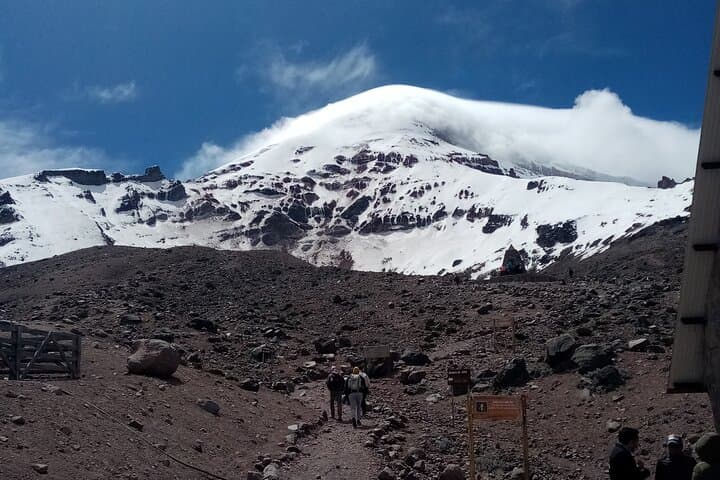
The day begins before dawn in Quito, the city lights shrinking as the bus climbs into the high Andes. Cold air cuts through the windows; volcano peaks—Cotopaxi, Tungurahua, Carihuairazo—pass like milestones on the Avenue of the Volcanoes. By midmorning you arrive at Chimborazo Fauna Production Reserve and the first refuge at roughly 4,800 meters, where thin air and a wide Andean sky make every breath noticeable.
Verified experiences and guided adventures in the surrounding area.
Operated by AUROX TRAVEL · Riobamba, Chimborazo
The day begins before dawn in Quito, the city lights shrinking as the bus climbs into the high Andes. Cold air cuts through the windows; volcano peaks—Cotopaxi, Tungurahua, Carihuairazo—pass like milestones on the Avenue of the Volcanoes. By midmorning you arrive at Chimborazo Fauna Production Reserve and the first refuge at roughly 4,800 meters, where thin air and a wide Andean sky make every breath noticeable.
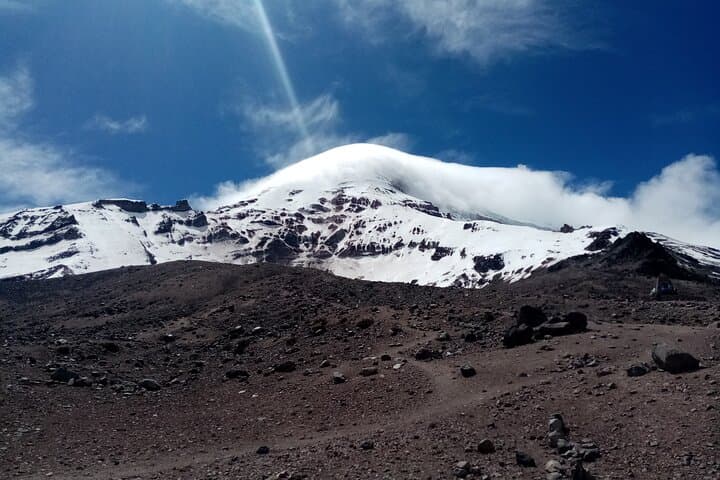
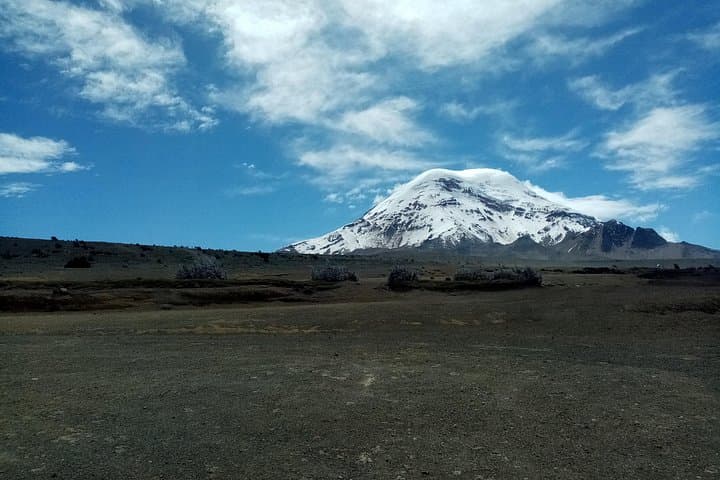
Geology here is blunt and ancient: Chimborazo is a high, eroded stratovolcano capped by glaciers and rock, and measured from Earth’s center it’s the planet’s highest point. The reserve protects puna grasslands and seasonal lagoons—Micacocha/Condorcocha at ~5,100 m is a short, steep walk from the second refuge and a prime place to watch vicuñas graze and, on lucky days, condors riding the thermals.
Local culture is visible in roadside villages and fields where potato varieties and quinoa still dominate, and livestock grazing follows centuries-old patterns. The route itself is short but demanding: rocky paths, loose scree, intermittent snow and strong sun—altitude, not distance, is the main challenge.
Practical notes: start early to maximize acclimatization time, carry warm, windproof layers, and plan for slow, deliberate pacing between 4,800–5,100 m. Lunch is typically taken at a roadside restaurant on the return; bring snacks and plenty of water. Expect basic facilities at refuges and variable weather—be prepared to adjust plans for safety and comfort.
moderate.
10–12 hours.
Those in good general fitness who can tolerate high altitude and short steep walks will be comfortable; prior acclimatization recommended.
From the first refuge (≈4,800 m) it’s roughly a 45–60 minute steep walk to the Condorcocha/Micacocha area at about 5,100 m, depending on pace and weather.
Altitude effects are likely above 4,500 m; symptoms vary—acclimatize in Quito, hydrate, move slowly, and inform guides if you feel unwell.
Lunch is not included; the itinerary usually stops at a restaurant in Ambato or nearby towns on the return to Quito.
The tour is adaptable but not recommended for people with serious cardiovascular issues; minors should be able to tolerate high-altitude walking and cold conditions.
Chimborazo has long been significant to Andean cultures and became a focus of scientific interest in the 18th and 19th centuries for its altitude and glaciation.
The Chimborazo reserve balances grazing rights for local communities with wildlife protection—stay on trails, respect grazing animals, and pack out waste.
AUROX TRAVEL operates guided outdoor trips and adventures with an emphasis on safety, stewardship, and memorable experiences.
The day begins before dawn in Quito, the city lights shrinking as the bus climbs into the high Andes. Cold air cuts through the windows; volcano peaks—Cotopaxi, Tungurahua, Carihuairazo—pass like milestones on the Avenue of the Volcanoes. By midmorning you arrive at Chimborazo Fauna Production Reserve and the first refuge at roughly 4,800 meters, where thin air and a wide Andean sky make every breath noticeable.
The day begins before dawn in Quito, the city lights shrinking as the bus climbs into the high Andes. Cold air cuts through the windows; volcano peaks—Cotopaxi, Tungurahua, Carihuairazo—pass like milestones on the Avenue of the Volcanoes. By midmorning you arrive at Chimborazo Fauna Production Reserve and the first refuge at roughly 4,800 meters, where thin air and a wide Andean sky make every breath noticeable.
Geology here is blunt and ancient: Chimborazo is a high, eroded stratovolcano capped by glaciers and rock, and measured from Earth’s center it’s the planet’s highest point. The reserve protects puna grasslands and seasonal lagoons—Micacocha/Condorcocha at ~5,100 m is a short, steep walk from the second refuge and a prime place to watch vicuñas graze and, on lucky days, condors riding the thermals.
Local culture is visible in roadside villages and fields where potato varieties and quinoa still dominate, and livestock grazing follows centuries-old patterns. The route itself is short but demanding: rocky paths, loose scree, intermittent snow and strong sun—altitude, not distance, is the main challenge.
Practical notes: start early to maximize acclimatization time, carry warm, windproof layers, and plan for slow, deliberate pacing between 4,800–5,100 m. Lunch is typically taken at a roadside restaurant on the return; bring snacks and plenty of water. Expect basic facilities at refuges and variable weather—be prepared to adjust plans for safety and comfort.