
Full-Day Chiloe Island Tour from Puerto Varas: Ancud, Caulín & Lacuy Beaches
Take a full-day circuit from Puerto Varas across the Chacao Channel to Chiloe Island for beaches, ports, a historic fort and UNESCO wooden churches. Expect coastal scenery, market culture and oyster country on a 12-hour outing.
An Adventure In Puerto Varas.
Take a full-day circuit from Puerto Varas across the Chacao Channel to Chiloe Island for beaches, ports, a historic fort and UNESCO wooden churches. Expect coastal scenery, market culture and oyster country on a 12-hour outing.
Read the full experience
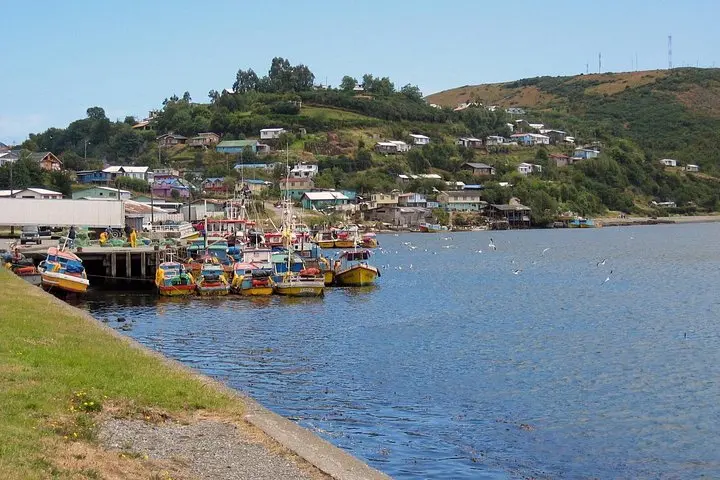
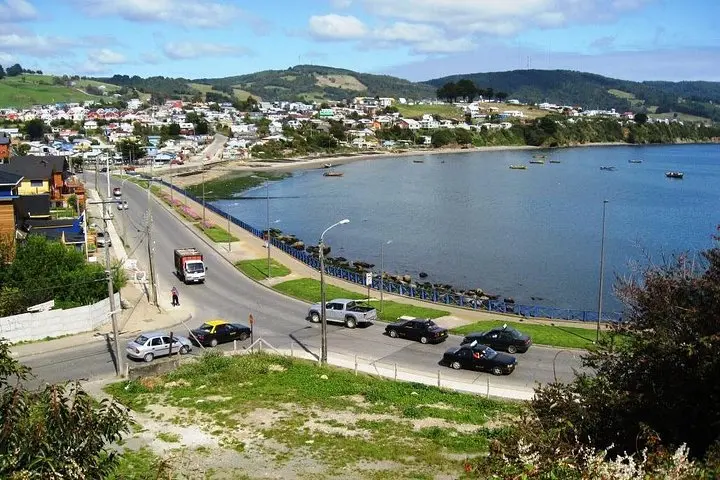
You step out of a small bus as the sea air of the Chacao Channel cuts across your face; gulls wheel and the ferry horns call. The road from Puerto Varas unspools past volcanic cones and patchwork pasture before you board the short ferry that separates mainland from Chiloé. The island has a weathered coastal honesty — wind-swept beaches, low forests and fishing villages that still speak in the cadence of the sea.
You step out of a small bus as the sea air of the Chacao Channel cuts across your face; gulls wheel and the ferry horns call. The road from Puerto Varas unspools past volcanic cones and patchwork pasture before you board the short ferry that separates mainland from Chiloé. The island has a weathered coastal honesty — wind-swept beaches, low forests and fishing villages that still speak in the cadence of the sea.
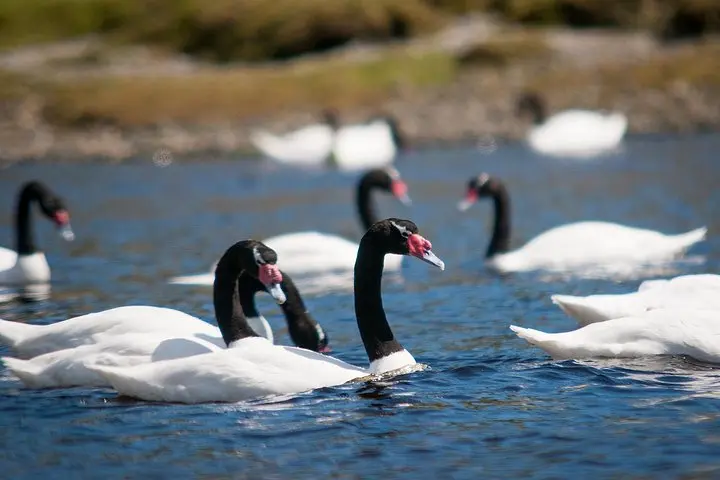
Chiloé’s history is visible: Spanish-era forts at Lacuy, wooden churches that are UNESCO-listed, and markets where kelp, shellfish and wool are sold in booths worn by salt and sun. Geologically the archipelago sits on ancient glacial and marine deposits, a softer landscape than the nearby Andes, with dunes and tidal flats around Caulín that attract birds and support oyster beds. Cultural life on Chiloé blends indigenous Huilliche traditions with centuries of Spanish coastal settlement; the markets in Ancud are as much social hubs as they are commerce.
Practical guidance: expect a full day — roughly 12 hours with hotel pickup in Puerto Varas. Wear sturdy, water-resistant shoes for sandy and rocky beaches and bring layers; wind and drizzle are common. Carry a passport for the booking, cash for markets and snacks, and binoculars for birdlife at Caulín. The tour moves at a steady pace, with short stops at forts, a market visit in Ancud and coastal viewpoints. Weather can change quickly; allow time for ferry crossings and let the tide and wind set the rhythm of the day.
Frequently asked questions
Yes — a current valid passport is required on the day of travel and should be presented at pickup.
The itinerary includes visits to historically significant churches and heritage sites in Ancud and surrounding towns; admission may vary.
Food is not listed as included; the tour stops at Ancud’s central market where you can purchase local seafood and snacks.
The tour is described as suitable for all fitness levels, but children must be accompanied by an adult and those with serious cardiovascular issues should avoid strenuous activity.
About This Experience
Ruta Chile operates guided outdoor trips and adventures with an emphasis on safety, stewardship, and memorable experiences.
Adventure tips
Recommended gear
- Waterproof daypack: Keeps layers, passport and purchases dry during ferry crossings and coastal weather.
- Sturdy walking shoes: Provides grip on sandy, rocky and sometimes muddy shorelines at Caulín and Lacuy.
- Waterproof jacket and layers: Wind and drizzle are common year-round; breathable layers manage changing conditions.
- Binoculars or camera: Useful for viewing seabirds and tidal flats, and for capturing coastal forts and markets.
Photos of the experience
Related adventures & guides
Read the full experience
You step out of a small bus as the sea air of the Chacao Channel cuts across your face; gulls wheel and the ferry horns call. The road from Puerto Varas unspools past volcanic cones and patchwork pasture before you board the short ferry that separates mainland from Chiloé. The island has a weathered coastal honesty — wind-swept beaches, low forests and fishing villages that still speak in the cadence of the sea.
You step out of a small bus as the sea air of the Chacao Channel cuts across your face; gulls wheel and the ferry horns call. The road from Puerto Varas unspools past volcanic cones and patchwork pasture before you board the short ferry that separates mainland from Chiloé. The island has a weathered coastal honesty — wind-swept beaches, low forests and fishing villages that still speak in the cadence of the sea.
Chiloé’s history is visible: Spanish-era forts at Lacuy, wooden churches that are UNESCO-listed, and markets where kelp, shellfish and wool are sold in booths worn by salt and sun. Geologically the archipelago sits on ancient glacial and marine deposits, a softer landscape than the nearby Andes, with dunes and tidal flats around Caulín that attract birds and support oyster beds. Cultural life on Chiloé blends indigenous Huilliche traditions with centuries of Spanish coastal settlement; the markets in Ancud are as much social hubs as they are commerce.
Practical guidance: expect a full day — roughly 12 hours with hotel pickup in Puerto Varas. Wear sturdy, water-resistant shoes for sandy and rocky beaches and bring layers; wind and drizzle are common. Carry a passport for the booking, cash for markets and snacks, and binoculars for birdlife at Caulín. The tour moves at a steady pace, with short stops at forts, a market visit in Ancud and coastal viewpoints. Weather can change quickly; allow time for ferry crossings and let the tide and wind set the rhythm of the day.
Make a day of it nearby.
Verified experiences and guided adventures in the surrounding area.