THE ADVENTURE COLLECTIVE® · Independent discovery and booking for outdoor travel

Spend a full day exploring Chichén Itzá with a certified guide, cool off in a jungle cenote, and stroll the colorful streets of Valladolid. This organized tour pairs archaeology, geology, and Yucatecan culture into one long but accessible day trip.
Spend a full day exploring Chichén Itzá with a certified guide, cool off in a jungle cenote, and stroll the colorful streets of Valladolid. This organized tour pairs archaeology, geology, and Yucatecan culture into one long but accessible day trip.
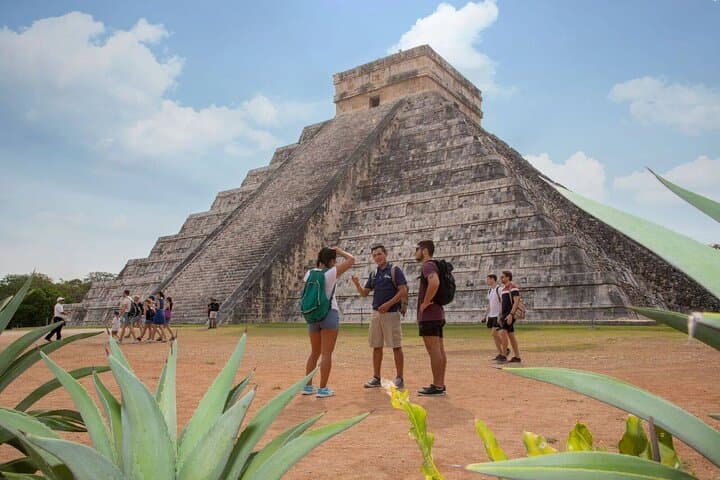
You arrive before the heat sets in: wind off the limestone plains carrying the distinct, dry scent of the Yucatán scrub as your guide leads the group toward the Pyramid of Kukulkán.
Verified experiences and guided adventures in the surrounding area.
Operated by Open Vacations · Pisté, Yucatán
You arrive before the heat sets in: wind off the limestone plains carrying the distinct, dry scent of the Yucatán scrub as your guide leads the group toward the Pyramid of Kukulkán.
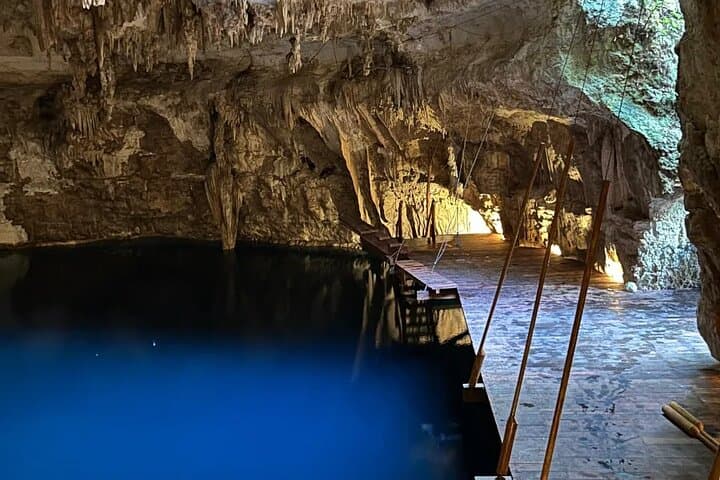
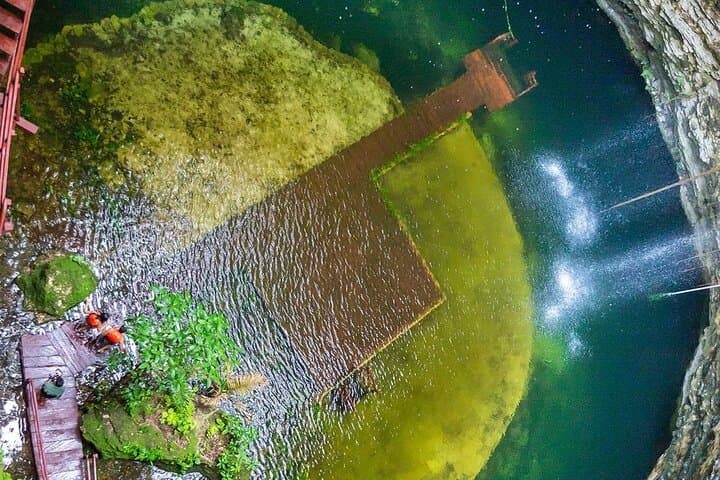
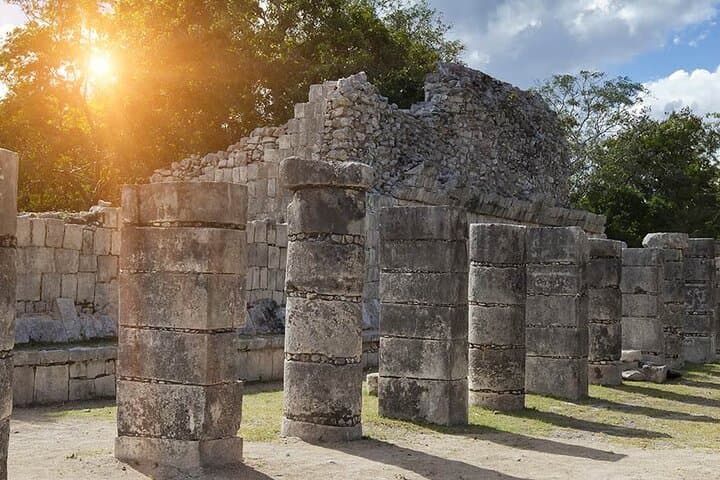
The site imposes itself with clean lines and sharp shadows—stone steps that once marked ritual procession and an astronomical calendar that still commands respect. Over the guided hour you'll learn the social and ceremonial purpose of the Great Ball Court, the Temple of the Warriors, and the sacred cenote that fed both water and myth into Maya life. Geologically, the region is porous karst: sinkholes and caverns formed by millennia of groundwater dissolving limestone, which is why nearby cenotes like Noolhá (or, occasionally, Chichikán) appear as jade-lit wells, daring you to cool off after hours in the sun.
Valladolid offers a cultural cooldown: Spanish-colonial facades, the Iglesia de San Servacio and small markets where Yucatecan flavors—cochinita, lime, achiote—tend to linger on the air. History here is immediate; the Maya city-state network left stone and story in equal measure.
Practical edge: this is a long day (about 12–13 hours) with uneven surfaces and strong sun. Bring sturdy shoes, water, and a hat; plan for a mandatory preservation tax at the site. The cenote swim requires a life vest and a change of clothes; towels are essential. Time your photos for early morning light or late afternoon when the site thins out and the stone cools.
Expect a blend of archaeology, karst geology, and small-town culture—organized, educational, and physically easy but long.
easy.
12–13 hours.
Suitable for travelers in average physical condition; involves multiple hours of walking on uneven terrain and staircases.
The full excursion runs about 12–13 hours and includes round-trip shared transport, a certified bilingual guide at Chichén Itzá, entrance to the cenote, a Mexican buffet lunch, and time in Valladolid; preservation tax is not included.
Life vests are mandatory and provided; non-swimmers can safely enjoy the cenote with a vest but should remain cautious and follow staff instructions.
The tour is marked as physically easy but is not recommended for travelers with spinal or serious heart conditions or for pregnant visitors; expect stairs and uneven ground at the archaeological zone.
Yes—the order of stops may change and Cenote Noolhá can be substituted with Cenote Chichikán depending on availability and operational needs.
Chichén Itzá was a major Maya urban and ceremonial center from the Late Classic through the Terminal Classic; Kukulkán’s pyramid doubles as a solar calendar used in ritual timing.
A preservation tax supports site maintenance; stick to marked paths, avoid touching carvings, and pack out any trash to protect fragile stone and cenote ecosystems.
Open Vacations operates guided outdoor trips and adventures with an emphasis on safety, stewardship, and memorable experiences.
You arrive before the heat sets in: wind off the limestone plains carrying the distinct, dry scent of the Yucatán scrub as your guide leads the group toward the Pyramid of Kukulkán.
You arrive before the heat sets in: wind off the limestone plains carrying the distinct, dry scent of the Yucatán scrub as your guide leads the group toward the Pyramid of Kukulkán.
The site imposes itself with clean lines and sharp shadows—stone steps that once marked ritual procession and an astronomical calendar that still commands respect. Over the guided hour you'll learn the social and ceremonial purpose of the Great Ball Court, the Temple of the Warriors, and the sacred cenote that fed both water and myth into Maya life. Geologically, the region is porous karst: sinkholes and caverns formed by millennia of groundwater dissolving limestone, which is why nearby cenotes like Noolhá (or, occasionally, Chichikán) appear as jade-lit wells, daring you to cool off after hours in the sun.
Valladolid offers a cultural cooldown: Spanish-colonial facades, the Iglesia de San Servacio and small markets where Yucatecan flavors—cochinita, lime, achiote—tend to linger on the air. History here is immediate; the Maya city-state network left stone and story in equal measure.
Practical edge: this is a long day (about 12–13 hours) with uneven surfaces and strong sun. Bring sturdy shoes, water, and a hat; plan for a mandatory preservation tax at the site. The cenote swim requires a life vest and a change of clothes; towels are essential. Time your photos for early morning light or late afternoon when the site thins out and the stone cools.
Expect a blend of archaeology, karst geology, and small-town culture—organized, educational, and physically easy but long.