THE ADVENTURE COLLECTIVE® · Independent discovery and booking for outdoor travel

Spend a full day exploring Chichén Itzá’s monumental architecture, cool off in Saamal Cenote, and stroll colonial Valladolid. This guided tour combines big-picture history with hands-on local experiences—ideal for a single-day cultural dive from the Riviera Maya.
Spend a full day exploring Chichén Itzá’s monumental architecture, cool off in Saamal Cenote, and stroll colonial Valladolid. This guided tour combines big-picture history with hands-on local experiences—ideal for a single-day cultural dive from the Riviera Maya.
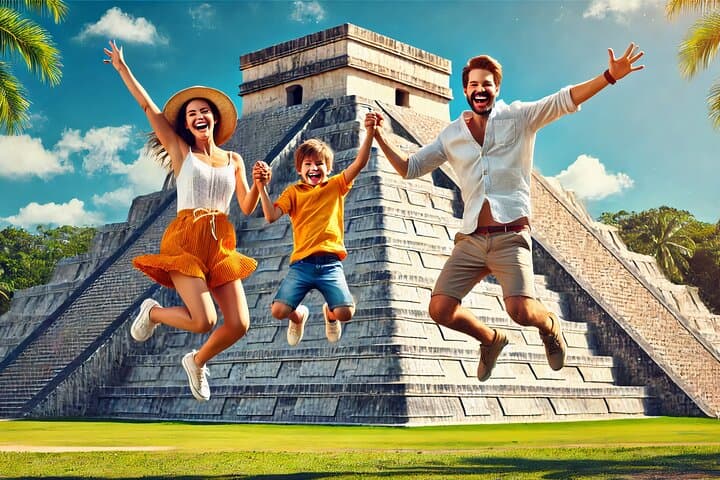
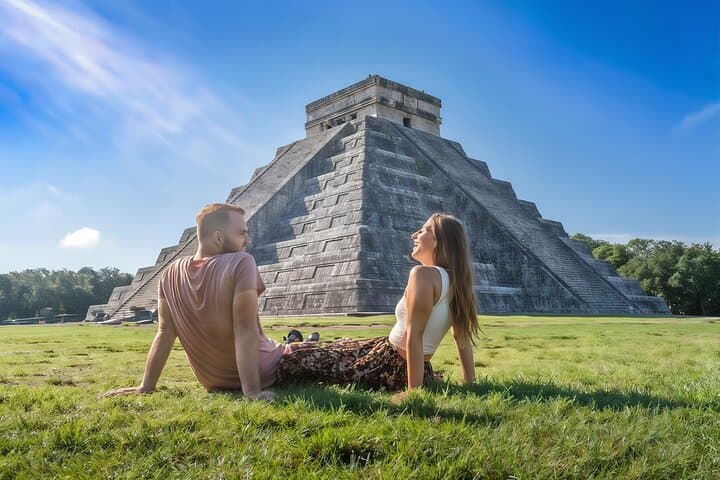
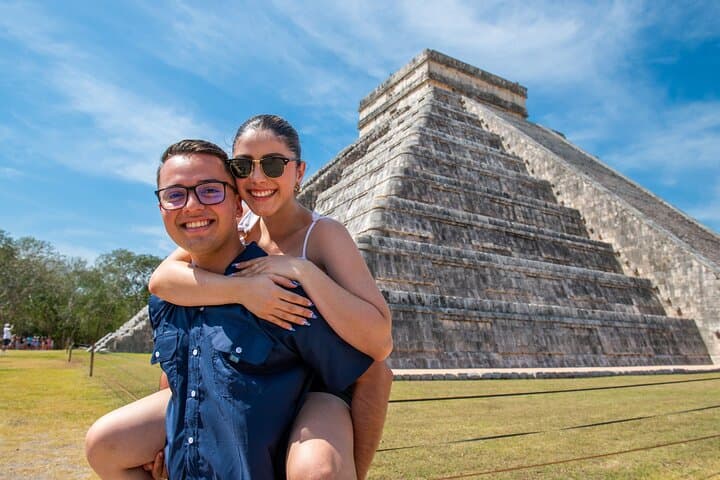
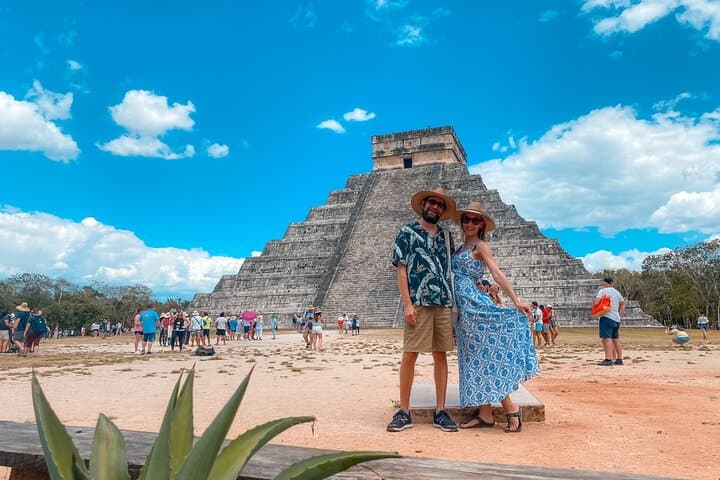
You step off the air-conditioned coach into a wide plaza of sun-baked stone; the Kukulcán pyramid sits before you like an old architect with a lesson to teach. Wind moves through carved columns and courtyard dust lifts in ribbons as the guide traces a calendar in shadow and sound.
Verified experiences and guided adventures in the surrounding area.
Operated by Magenta Travel · Chichén Itzá, Yucatán
You step off the air-conditioned coach into a wide plaza of sun-baked stone; the Kukulcán pyramid sits before you like an old architect with a lesson to teach. Wind moves through carved columns and courtyard dust lifts in ribbons as the guide traces a calendar in shadow and sound.
Chichén Itzá grew into a regional capital between AD 600–1200. The site blends Puuc and Toltec influences: the stepped pyramid, the jagged columns of the Temple of the Warriors, and the rounded Observatory speak to changing styles and political reach. Geologically the area is classic Yucatán karst—limestone platforms riddled with underground rivers that form the cenotes. Saamal Cenote’s clear water is the visible mouth of that hidden drainage; its pool is fed by the same porous rock that preserved Maya cities.
Valladolid adds a colonial counterpoint: a grid of cobbled streets, a whitewashed convent, and marketplaces where achiote and slow-simmered cochinita olor to the air. Local guides often weave Maya cosmology into descriptions of architecture and ritual, giving context to carvings and ballcourt acoustics.
Practical guidance: plan for a long day—early pickup, mid-morning at the ruins, a swim break at Saamal, then a short tour of Valladolid before returning. Bring a refillable water bottle, reef-safe sunscreen, sturdy walking shoes, and a swim change. Expect uneven stone, limited shade at the site, and staffed facilities at major stops. Time your photos during the guided portion for concise context, then use free time to explore quieter corners. Respect barriers: climbing is prohibited and conservation rules exist to protect both ruins and cenote water quality.
easy.
10–15 hours.
Light to moderate—comfortable walking for several hours and short stair climbs; minimal elevation change.
Yes, the guided portion and entrance access are included in this full-day tour price.
Shared pickup from designated hotels/meeting points is included; pickup windows can take 1–2 hours as the route fills.
Swimming at Saamal Cenote is allowed; bring your own towel and swimwear—some tours provide rented towels for a fee.
The Mayan buffet typically includes vegetarian dishes, but it may not accommodate specialized diets—contact the operator in advance for restrictions.
Chichén Itzá was a major Maya urban center and ceremonial hub; its architecture encodes astronomical knowledge and political shifts from the Classic to Postclassic periods.
The site is protected and climbing is prohibited to prevent damage; use reef-safe sunscreen before swimming and avoid littering to protect cenote ecosystems.
Magenta Travel operates guided outdoor trips and adventures with an emphasis on safety, stewardship, and memorable experiences.
You step off the air-conditioned coach into a wide plaza of sun-baked stone; the Kukulcán pyramid sits before you like an old architect with a lesson to teach. Wind moves through carved columns and courtyard dust lifts in ribbons as the guide traces a calendar in shadow and sound.
You step off the air-conditioned coach into a wide plaza of sun-baked stone; the Kukulcán pyramid sits before you like an old architect with a lesson to teach. Wind moves through carved columns and courtyard dust lifts in ribbons as the guide traces a calendar in shadow and sound.
Chichén Itzá grew into a regional capital between AD 600–1200. The site blends Puuc and Toltec influences: the stepped pyramid, the jagged columns of the Temple of the Warriors, and the rounded Observatory speak to changing styles and political reach. Geologically the area is classic Yucatán karst—limestone platforms riddled with underground rivers that form the cenotes. Saamal Cenote’s clear water is the visible mouth of that hidden drainage; its pool is fed by the same porous rock that preserved Maya cities.
Valladolid adds a colonial counterpoint: a grid of cobbled streets, a whitewashed convent, and marketplaces where achiote and slow-simmered cochinita olor to the air. Local guides often weave Maya cosmology into descriptions of architecture and ritual, giving context to carvings and ballcourt acoustics.
Practical guidance: plan for a long day—early pickup, mid-morning at the ruins, a swim break at Saamal, then a short tour of Valladolid before returning. Bring a refillable water bottle, reef-safe sunscreen, sturdy walking shoes, and a swim change. Expect uneven stone, limited shade at the site, and staffed facilities at major stops. Time your photos during the guided portion for concise context, then use free time to explore quieter corners. Respect barriers: climbing is prohibited and conservation rules exist to protect both ruins and cenote water quality.