THE ADVENTURE COLLECTIVE® · Independent discovery and booking for outdoor travel

Experience Chichén Itzá with a certified guide, then cool off in a Mayan cenote and explore the colonial charm of Valladolid. This full-day tour pairs archaeology with a refreshing swim and local flavors.
Experience Chichén Itzá with a certified guide, then cool off in a Mayan cenote and explore the colonial charm of Valladolid. This full-day tour pairs archaeology with a refreshing swim and local flavors.
The day begins before the crowds—an air-conditioned van unspools along the flat Yucatán plain while the guide points out low, scrubby jungle and the occasional agave. By mid-morning the stone silhouette of El Castillo rises from the horizon, its angles sharp against a pale sky; the plaza, ball court and columns open like pages of history underfoot.
Verified experiences and guided adventures in the surrounding area.
Operated by Riviera Maya Book · Valladolid, Yucatán
The day begins before the crowds—an air-conditioned van unspools along the flat Yucatán plain while the guide points out low, scrubby jungle and the occasional agave. By mid-morning the stone silhouette of El Castillo rises from the horizon, its angles sharp against a pale sky; the plaza, ball court and columns open like pages of history underfoot.
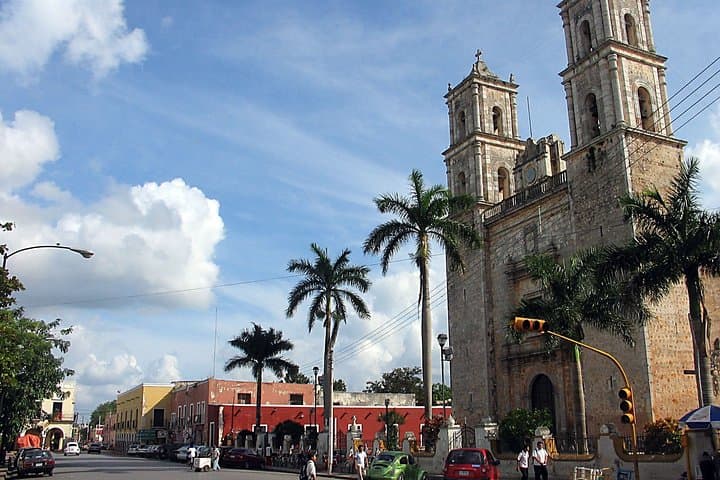
Chichén Itzá is a compact classroom of Maya astronomy, politics and stonemasonry. The limestone bedrock here was carved and quarried by hand; cenotes—collapsed sinkholes—gave freshwater and spiritual meaning to settlements. Nearby Valladolid, a colonial town with pastel facades and a slow market rhythm, shows the region’s Spanish and indigenous layers in its churches and street life.
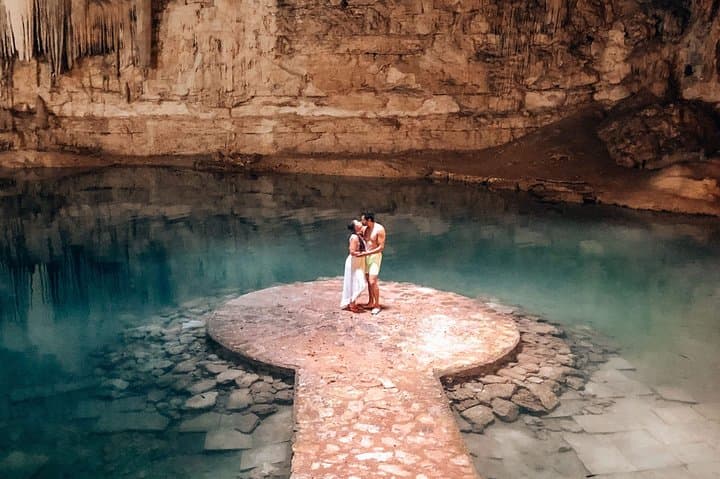
After the guided circuit through plazas and pyramids, the tour moves to Cenote Suytun: a circular shaft where clear, cool water gathers at the base of a stony ring. The water’s surface reflects a shaft of light that seems to invite a slow swim; the cave walls hold 10,000 years of karst history.
Practical edge: this is a long, exposed day—bring sun protection, a refillable bottle, and shoes that handle packed-earth paths. Expect two to three hours of on-foot exploration at Chichén Itzá, plus time for photos, a buffet lunch and about an hour at the cenote. Guides typically cover history, archaeology and local customs; they also manage timing to beat some heat and crowds. Plan for a roughly 12-hour round trip if departing from the Riviera Maya or Cancún and allow a relaxed pace for photos and swimming.
easy.
12 hours.
Suitable for most fitness levels; requires standing, walking on uneven stone and steps for several hours.
Admission to Chichén Itzá and the listed cenote is included in this tour; always confirm on your voucher and retain receipts provided by the operator.
Expect about 2–3 hours each way from Cancún or the central Riviera Maya, depending on traffic and your pickup point.
Yes—infants must sit on an adult’s lap; the tour is described as suitable for all fitness levels but includes long travel and on-foot sightseeing.
Bring swimwear, a towel, water shoes if you have them, and a waterproof phone case for photos; life jackets are often available at the cenote.
Chichén Itzá grew as a major Maya ceremonial center from the Late Classic into the Terminal Classic period and shows strong influence from central Mexican styles in its architecture and iconography.
Visitor management and restricted climbing protect fragile stonework; using refillable bottles and following marked paths reduces impact on the karst landscape and cenotes.
Riviera Maya Book operates guided outdoor trips and adventures with an emphasis on safety, stewardship, and memorable experiences.
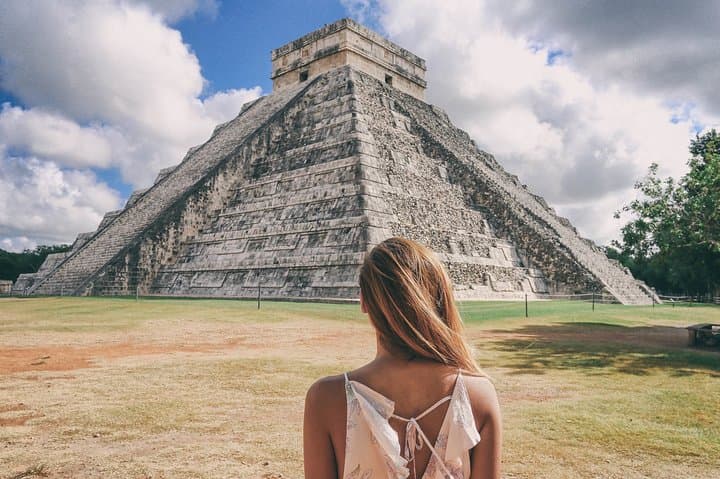
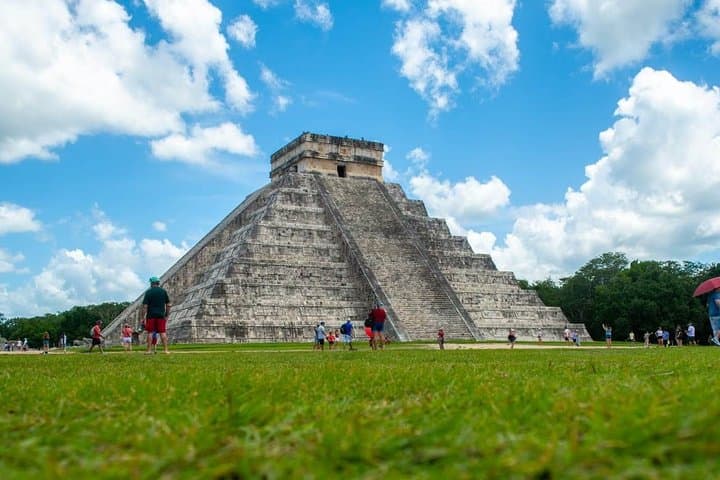
The day begins before the crowds—an air-conditioned van unspools along the flat Yucatán plain while the guide points out low, scrubby jungle and the occasional agave. By mid-morning the stone silhouette of El Castillo rises from the horizon, its angles sharp against a pale sky; the plaza, ball court and columns open like pages of history underfoot.
The day begins before the crowds—an air-conditioned van unspools along the flat Yucatán plain while the guide points out low, scrubby jungle and the occasional agave. By mid-morning the stone silhouette of El Castillo rises from the horizon, its angles sharp against a pale sky; the plaza, ball court and columns open like pages of history underfoot.
Chichén Itzá is a compact classroom of Maya astronomy, politics and stonemasonry. The limestone bedrock here was carved and quarried by hand; cenotes—collapsed sinkholes—gave freshwater and spiritual meaning to settlements. Nearby Valladolid, a colonial town with pastel facades and a slow market rhythm, shows the region’s Spanish and indigenous layers in its churches and street life.
After the guided circuit through plazas and pyramids, the tour moves to Cenote Suytun: a circular shaft where clear, cool water gathers at the base of a stony ring. The water’s surface reflects a shaft of light that seems to invite a slow swim; the cave walls hold 10,000 years of karst history.
Practical edge: this is a long, exposed day—bring sun protection, a refillable bottle, and shoes that handle packed-earth paths. Expect two to three hours of on-foot exploration at Chichén Itzá, plus time for photos, a buffet lunch and about an hour at the cenote. Guides typically cover history, archaeology and local customs; they also manage timing to beat some heat and crowds. Plan for a roughly 12-hour round trip if departing from the Riviera Maya or Cancún and allow a relaxed pace for photos and swimming.