THE ADVENTURE COLLECTIVE® · Independent discovery and booking for outdoor travel

Spend a long day moving between Mayan astronomy and subterranean freshwater: explore Chichén Itzá with a guide, cool off in cenotes Ik Kil and Hubiku, and sample Valladolid’s colonial streets and regional flavors. Expect a full 12–13 hour excursion with uneven terrain, sun, and a few ladders down to crystalline water.
Spend a long day moving between Mayan astronomy and subterranean freshwater: explore Chichén Itzá with a guide, cool off in cenotes Ik Kil and Hubiku, and sample Valladolid’s colonial streets and regional flavors. Expect a full 12–13 hour excursion with uneven terrain, sun, and a few ladders down to crystalline water.
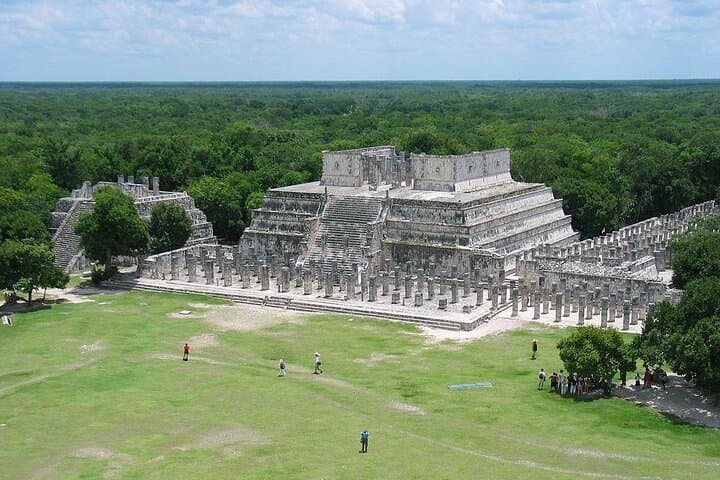
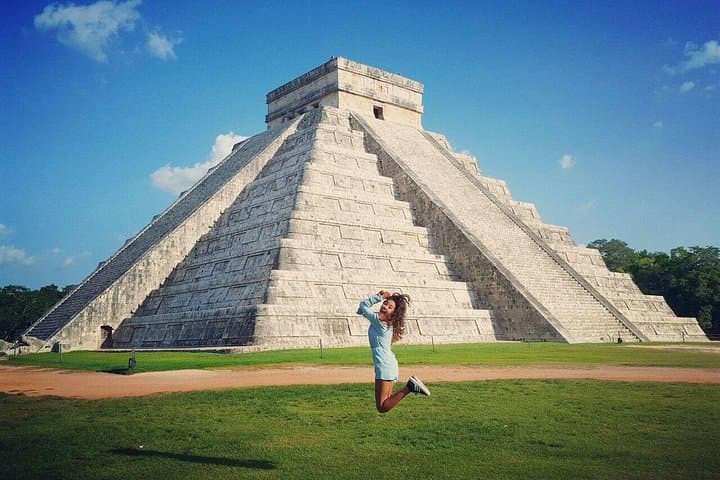
A pre-dawn coach eases out of Playa del Carmen while the flat, karst plain of the Yucatán unfurls toward a silhouette of stone: the Pyramid of Kukulkán rising from a wide plaza. On arrival the air smells of warm limestone and dust; tour groups spread out while a guide points out the carved façades and the shadow-play that made Mayan architects into astronomers.
Verified experiences and guided adventures in the surrounding area.
Operated by Caribe Páradise Tours · Pisté, Yucatán
A pre-dawn coach eases out of Playa del Carmen while the flat, karst plain of the Yucatán unfurls toward a silhouette of stone: the Pyramid of Kukulkán rising from a wide plaza. On arrival the air smells of warm limestone and dust; tour groups spread out while a guide points out the carved façades and the shadow-play that made Mayan architects into astronomers.
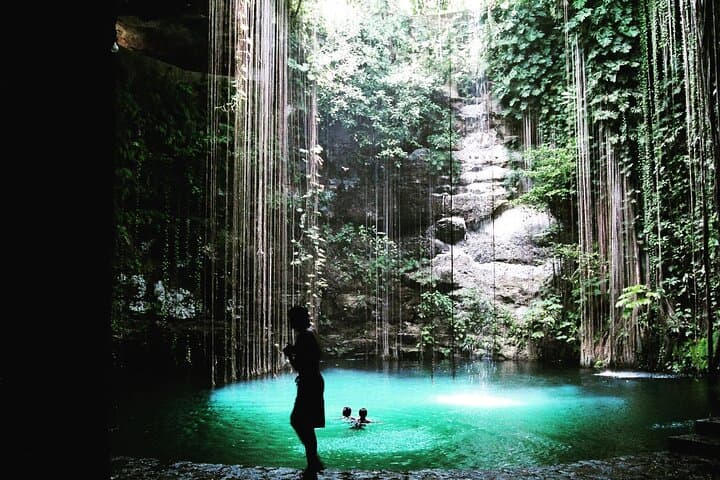
Chichén Itzá is both classroom and cathedral — a compact display of Late Classic and Terminal Classic Maya engineering where the pyramid’s stair count tracks the solar year and the Sacred Cenote was once a ritual conduit to the underworld. Geologically, the region is porous limestone; rain filters through to create cenotes — collapsed sinkholes feeding groundwater — giving Ik Kil and Hubiku their vertical shafts and cavern pools. Culturally, a brief stop in Valladolid introduces colonial streets, the church of San Servacio, and Yucatecan flavors like cochinita pibil and sopa de lima.
Practical guidance: this is a full-day outing (about 12–13 hours) with a guided archaeological walk, two cenote swims, and a short Valladolid stroll. Expect uneven stone steps, sun exposure, and cool underground water; bring biodegradable sunscreen, insect repellent, sturdy shoes, swimwear and a towel. There is a preservation fee at the ruins (cash accepted) and lockers at some cenotes. Arrive early on-site to avoid the biggest crowds and conserve energy for the climb and the ladders into cenotes. Respect posted rules at archaeological zones and cenotes to protect fragile formations and underground ecosystems.
easy.
12–13 hours.
Suitable for most fitness levels but requires standing and walking on uneven ground for several hours and climbing stairs and ladders into cenotes.
The tour runs about 12–13 hours: morning pick-up from Playa del Carmen, guided visit to Chichén Itzá (≈2 hours), swim and lunch at Ik Kil, visit to Hubiku (≈90 minutes), then a short free time stop in Valladolid before return.
The preservation tax for the ruins (typically charged per person) may not be included—bring cash (around USD 15) as local policies vary and can change without notice.
Cenotes have ladders and platform access; non-swimmers should wear a life jacket if available and supervise children closely—ask operators about life jacket availability before entry.
Chichén Itzá and cenotes have uneven surfaces and stairs; the experience is not fully wheelchair accessible and is not recommended for travelers with serious spinal or cardiovascular conditions.
Chichén Itzá was a major regional capital that blended Puuc and Toltec influences; its monuments reflect advanced Mayan astronomy and ritual practices tied to cenote offerings.
Cenote and ruin sites are sensitive to pollution and overuse; visitors should use biodegradable products, avoid touching formations, and follow signage to reduce erosion and water contamination.
Caribe Páradise Tours operates guided outdoor trips and adventures with an emphasis on safety, stewardship, and memorable experiences.

A pre-dawn coach eases out of Playa del Carmen while the flat, karst plain of the Yucatán unfurls toward a silhouette of stone: the Pyramid of Kukulkán rising from a wide plaza. On arrival the air smells of warm limestone and dust; tour groups spread out while a guide points out the carved façades and the shadow-play that made Mayan architects into astronomers.
A pre-dawn coach eases out of Playa del Carmen while the flat, karst plain of the Yucatán unfurls toward a silhouette of stone: the Pyramid of Kukulkán rising from a wide plaza. On arrival the air smells of warm limestone and dust; tour groups spread out while a guide points out the carved façades and the shadow-play that made Mayan architects into astronomers.
Chichén Itzá is both classroom and cathedral — a compact display of Late Classic and Terminal Classic Maya engineering where the pyramid’s stair count tracks the solar year and the Sacred Cenote was once a ritual conduit to the underworld. Geologically, the region is porous limestone; rain filters through to create cenotes — collapsed sinkholes feeding groundwater — giving Ik Kil and Hubiku their vertical shafts and cavern pools. Culturally, a brief stop in Valladolid introduces colonial streets, the church of San Servacio, and Yucatecan flavors like cochinita pibil and sopa de lima.
Practical guidance: this is a full-day outing (about 12–13 hours) with a guided archaeological walk, two cenote swims, and a short Valladolid stroll. Expect uneven stone steps, sun exposure, and cool underground water; bring biodegradable sunscreen, insect repellent, sturdy shoes, swimwear and a towel. There is a preservation fee at the ruins (cash accepted) and lockers at some cenotes. Arrive early on-site to avoid the biggest crowds and conserve energy for the climb and the ladders into cenotes. Respect posted rules at archaeological zones and cenotes to protect fragile formations and underground ecosystems.