THE ADVENTURE COLLECTIVE® · Independent discovery and booking for outdoor travel

Spend a full day exploring Chichén Itzá's monumental pyramid, cooling off in a dramatic cenote, and strolling colonial Valladolid with a regional buffet lunch included. This long, guided excursion combines archaeology, geology, and local culture into one intensive day trip.
Spend a full day exploring Chichén Itzá's monumental pyramid, cooling off in a dramatic cenote, and strolling colonial Valladolid with a regional buffet lunch included. This long, guided excursion combines archaeology, geology, and local culture into one intensive day trip.
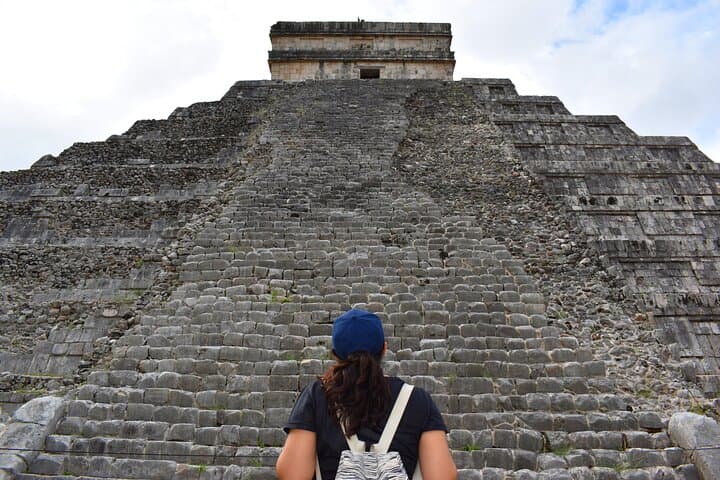
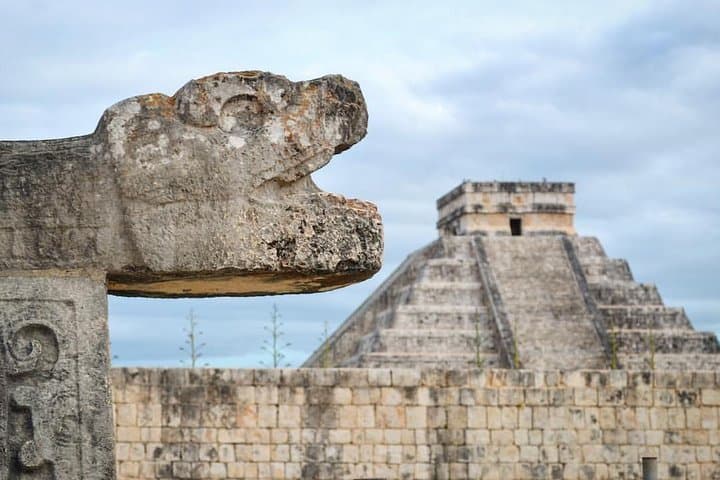
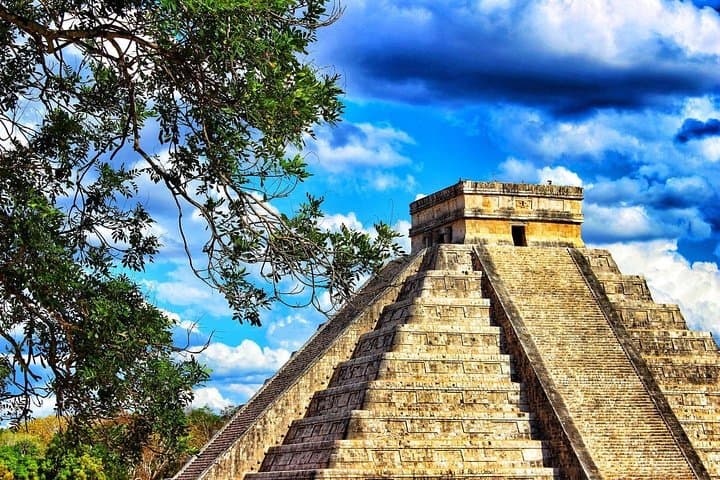
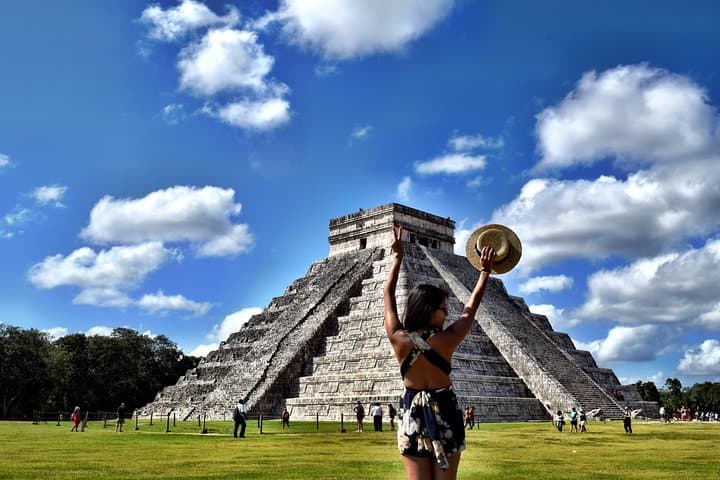
You step out into early Yucatán light and the road hums toward an ancient skyline: the Pyramid of Kukulcán cuts a precise profile against the sun. The day moves at both human and geological pace — from the stone geometry of an archaeological capital to the cool, bottled silence of a cenote.
Verified experiences and guided adventures in the surrounding area.
Operated by Top Tour Connection Cancun and Riviera Maya Experts · Pisté, Yucatán
You step out into early Yucatán light and the road hums toward an ancient skyline: the Pyramid of Kukulcán cuts a precise profile against the sun. The day moves at both human and geological pace — from the stone geometry of an archaeological capital to the cool, bottled silence of a cenote.
Chichén Itzá was a major Maya urban and ceremonial center; its main plaza and observatory reveal a society tuned to astronomy and seasonal cycles. The limestone plain that hosts the site is karst country — water carved caverns and sinkholes over millennia, giving rise to open and cave cenotes that once held ritual and practical importance.
Valladolid follows as a colonial counterpoint: bright facades, convent walls, and a slower rhythm where local markets and ice cream stalls keep a long-lived Mayan and colonial culture in view. Between these, a cenote — either an open chasm with a waterfall or a cavern pool — offers a literal cool-down; the water seems to hold time, inviting careful, respectful swimming.
Practical edge: expect a long day (about 13–15 hours) with moderate walking on uneven stone and staircases at the ruins. Bring sun protection, refillable water, swimwear and a lightweight towel, and some cash for handicrafts. Guides provide historical context and logistics, and most operators include admission, lunch, and hotel pickup. Plan for sharp sun midafternoon and limited shade at Chichén Itzá; mornings are best for photography and crowds are thinner if you arrive early. Respect site rules — no touching carved reliefs, and avoid sunscreen or insect repellent before entering cenotes to protect fragile aquatic ecosystems.
easy.
13–15 hours.
Suitable for most people with basic mobility; expect standing, walking on uneven ground, and stairs at the ruins.
The excursion runs roughly 13–15 hours with hotel pickup early in the morning (typically between 6:45–7:45 AM); exact pickup time is confirmed at booking.
Yes — admission to Chichén Itzá and the selected cenote, as well as a regional buffet lunch, are included in the standard package.
Yes, swimming is allowed in either the open Chichikan cenote or the cave-style Noolha; most cenotes provide basic changing areas and shallow steps or ladders for access.
Chichén Itzá and many cenotes have uneven terrain and steps; the tour is labeled suitable for all fitness levels but may be challenging for those with significant mobility limitations.
Chichén Itzá was a pre-Columbian Maya regional capital whose architecture encodes astronomical and calendrical knowledge, including the light-shadow serpent effect on Kukulcán's pyramid.
Cenotes are fragile freshwater ecosystems; tours commonly request guests to avoid sunscreen and support local conservation fees and community artisans to reduce environmental impact.
Top Tour Connection Cancun and Riviera Maya Experts operates guided outdoor trips and adventures with an emphasis on safety, stewardship, and memorable experiences.
You step out into early Yucatán light and the road hums toward an ancient skyline: the Pyramid of Kukulcán cuts a precise profile against the sun. The day moves at both human and geological pace — from the stone geometry of an archaeological capital to the cool, bottled silence of a cenote.
You step out into early Yucatán light and the road hums toward an ancient skyline: the Pyramid of Kukulcán cuts a precise profile against the sun. The day moves at both human and geological pace — from the stone geometry of an archaeological capital to the cool, bottled silence of a cenote.
Chichén Itzá was a major Maya urban and ceremonial center; its main plaza and observatory reveal a society tuned to astronomy and seasonal cycles. The limestone plain that hosts the site is karst country — water carved caverns and sinkholes over millennia, giving rise to open and cave cenotes that once held ritual and practical importance.
Valladolid follows as a colonial counterpoint: bright facades, convent walls, and a slower rhythm where local markets and ice cream stalls keep a long-lived Mayan and colonial culture in view. Between these, a cenote — either an open chasm with a waterfall or a cavern pool — offers a literal cool-down; the water seems to hold time, inviting careful, respectful swimming.
Practical edge: expect a long day (about 13–15 hours) with moderate walking on uneven stone and staircases at the ruins. Bring sun protection, refillable water, swimwear and a lightweight towel, and some cash for handicrafts. Guides provide historical context and logistics, and most operators include admission, lunch, and hotel pickup. Plan for sharp sun midafternoon and limited shade at Chichén Itzá; mornings are best for photography and crowds are thinner if you arrive early. Respect site rules — no touching carved reliefs, and avoid sunscreen or insect repellent before entering cenotes to protect fragile aquatic ecosystems.