THE ADVENTURE COLLECTIVE® · Independent discovery and booking for outdoor travel

Explore the architectural genius of Chichén Itzá, then descend into the otherworldly Cenote Suytun and stroll colonial Valladolid on a single, full-day excursion from Cancún. Expect long days, limestone caves, and a mix of history and cooling swims.
Explore the architectural genius of Chichén Itzá, then descend into the otherworldly Cenote Suytun and stroll colonial Valladolid on a single, full-day excursion from Cancún. Expect long days, limestone caves, and a mix of history and cooling swims.
You step off the air-conditioned coach into heat that seems to hum; limestone terraces and the stepped silhouette of Kukulcán rise before you, precise and patient. The guide's voice draws lines between stone and sky as sunlight reveals carved warriors and the geometry of an ancient observatory.
Verified experiences and guided adventures in the surrounding area.
Operated by Caribe Páradise Tours · Pisté, Yucatán
You step off the air-conditioned coach into heat that seems to hum; limestone terraces and the stepped silhouette of Kukulcán rise before you, precise and patient. The guide's voice draws lines between stone and sky as sunlight reveals carved warriors and the geometry of an ancient observatory.
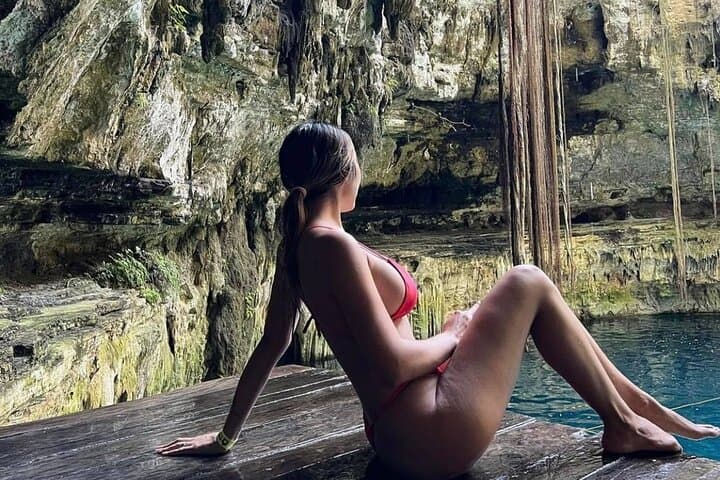
Chichén Itzá grew as a major Maya center between the 7th and 10th centuries CE; its pyramid, ball court and Sacred Cenote reflect astronomical knowledge, ritual practice and regional trade. Geologically the site sits on Yucatán’s karst plain—porous limestone riddled with underground rivers whose collapses form cenotes like Suytun. The tour winds from archaeological mastery to cool, columned caves: Cenote Suytun’s shaft of light illuminates turquoise water where the Maya once made offerings.
After lunch, a brief stop in colonial Valladolid gives a taste of Spanish-era plazas, local bakeries and artisan stalls—an easy contrast to the scale of the ruins.
Practical guidance: this is a long day (roughly 11–12 hours). Wear sturdy, breathable shoes for packed-earth pathways, bring a hat, sunscreen (biodegradable preferred) and refillable water; swimsuits and a towel are useful for the cenote. Carry small cash for crafts and expect crowds at peak hours—arrive with your camera ready for mid-morning or late-afternoon light. Respect site rules: no climbing on monuments and follow your guide’s instructions. For travelers seeking both ancient architecture and a freshwater swim, this itinerary balances history, geology and a cool, restorative plunge.
easy.
11–12 hours.
Suitable for travelers who can tolerate a full day of walking and standing on uneven surfaces; not strenuous but long.
Most operators include park admission and cenote access in the full-day package, but confirm on your booking confirmation as policies can vary.
The itinerary runs about 11–12 hours total with 2–3 hours at Chichén Itzá and about 2 hours at the cenote; expect moderate walking on uneven ground and stairs.
Children can enjoy the sights but the day is long; the tour notes it’s not recommended for pregnant travelers or those with serious spinal or cardiovascular conditions—check health guidance before booking.
Round-trip transport from Cancún hotels is typically included; you’ll receive a pickup time and location during confirmation—be ready for shared-ride logistics and multiple pickup stops.
Chichén Itzá was a major Maya political and economic center; the Sacred Cenote supplied water and was used for ritual offerings. Valladolid reflects Spanish colonial settlement patterns from the 16th century.
The region’s fragile karst ecosystem is sensitive to sunscreen and pollution—use biodegradable products, stay on marked paths, and support local guides and vendors to benefit the community.
Caribe Páradise Tours operates guided outdoor trips and adventures with an emphasis on safety, stewardship, and memorable experiences.
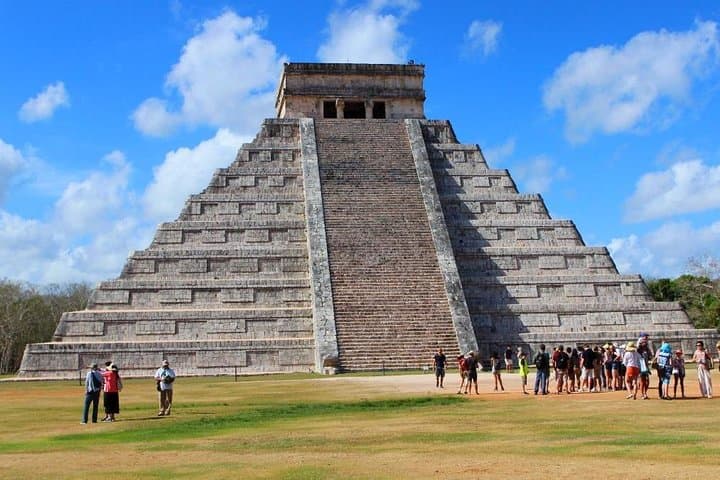
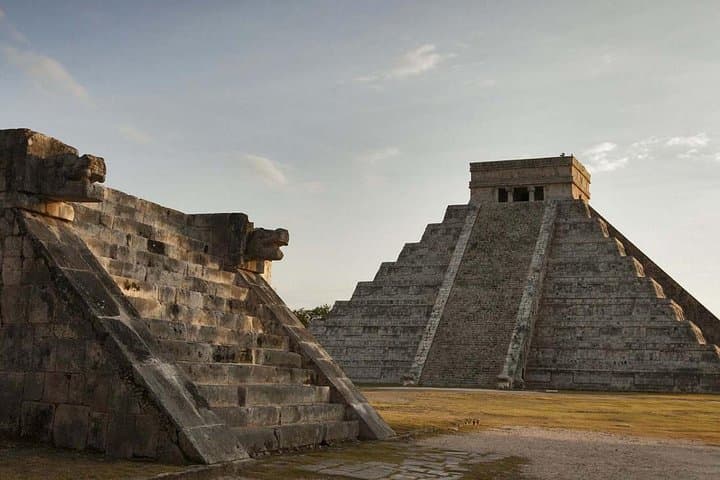
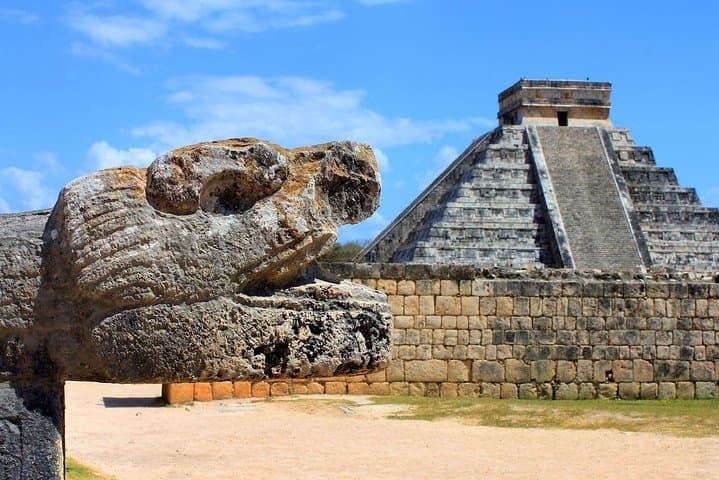
You step off the air-conditioned coach into heat that seems to hum; limestone terraces and the stepped silhouette of Kukulcán rise before you, precise and patient. The guide's voice draws lines between stone and sky as sunlight reveals carved warriors and the geometry of an ancient observatory.
You step off the air-conditioned coach into heat that seems to hum; limestone terraces and the stepped silhouette of Kukulcán rise before you, precise and patient. The guide's voice draws lines between stone and sky as sunlight reveals carved warriors and the geometry of an ancient observatory.
Chichén Itzá grew as a major Maya center between the 7th and 10th centuries CE; its pyramid, ball court and Sacred Cenote reflect astronomical knowledge, ritual practice and regional trade. Geologically the site sits on Yucatán’s karst plain—porous limestone riddled with underground rivers whose collapses form cenotes like Suytun. The tour winds from archaeological mastery to cool, columned caves: Cenote Suytun’s shaft of light illuminates turquoise water where the Maya once made offerings.
After lunch, a brief stop in colonial Valladolid gives a taste of Spanish-era plazas, local bakeries and artisan stalls—an easy contrast to the scale of the ruins.
Practical guidance: this is a long day (roughly 11–12 hours). Wear sturdy, breathable shoes for packed-earth pathways, bring a hat, sunscreen (biodegradable preferred) and refillable water; swimsuits and a towel are useful for the cenote. Carry small cash for crafts and expect crowds at peak hours—arrive with your camera ready for mid-morning or late-afternoon light. Respect site rules: no climbing on monuments and follow your guide’s instructions. For travelers seeking both ancient architecture and a freshwater swim, this itinerary balances history, geology and a cool, restorative plunge.