THE ADVENTURE COLLECTIVE® · Independent discovery and booking for outdoor travel

Spend a full day from Chengdu exploring Qingcheng Mountain’s shaded Taoist trails and the 2,000‑year‑old Dujiangyan no‑dam irrigation system. This private tour mixes light hiking, cultural sites, and ancient engineering—ideal for active travelers who want context as well as scenery.
Spend a full day from Chengdu exploring Qingcheng Mountain’s shaded Taoist trails and the 2,000‑year‑old Dujiangyan no‑dam irrigation system. This private tour mixes light hiking, cultural sites, and ancient engineering—ideal for active travelers who want context as well as scenery.
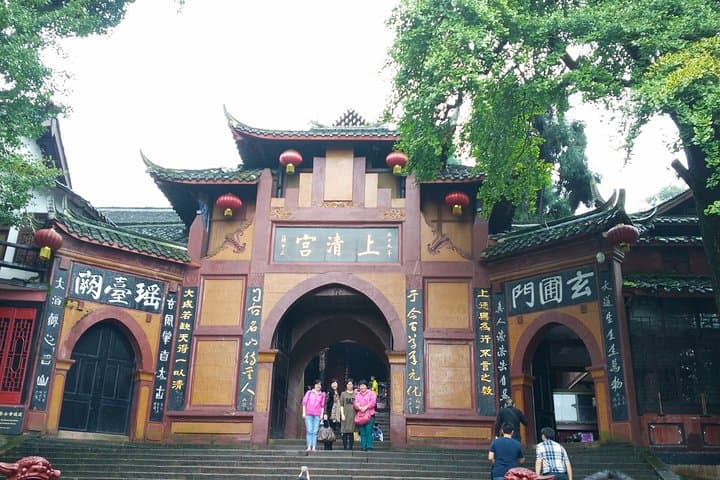
Morning fog clings to the pines as your private vehicle pulls off the highway and the Chengdu plain slips away. You step into a cool, green world—Qingcheng Mountain’s forested slopes press close, temples and stone steps threaded through moss and bamboo. A quick cable car carries you above the first stand of trees; from the top a short, steep hike (roughly 1 km with ~200–300 m of ascent, about 30 minutes at a steady pace) delivers a sweeping view and the quiet of Taoist courtyards.
Verified experiences and guided adventures in the surrounding area.
Operated by China Theme Tour · Dujiangyan, Sichuan
Morning fog clings to the pines as your private vehicle pulls off the highway and the Chengdu plain slips away. You step into a cool, green world—Qingcheng Mountain’s forested slopes press close, temples and stone steps threaded through moss and bamboo. A quick cable car carries you above the first stand of trees; from the top a short, steep hike (roughly 1 km with ~200–300 m of ascent, about 30 minutes at a steady pace) delivers a sweeping view and the quiet of Taoist courtyards.
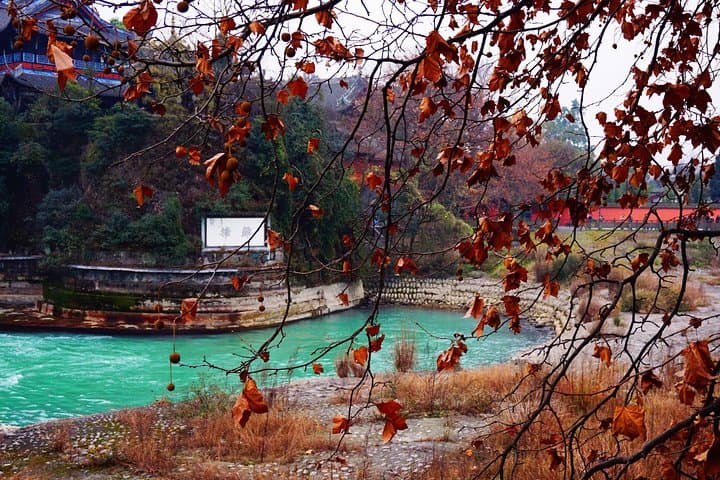
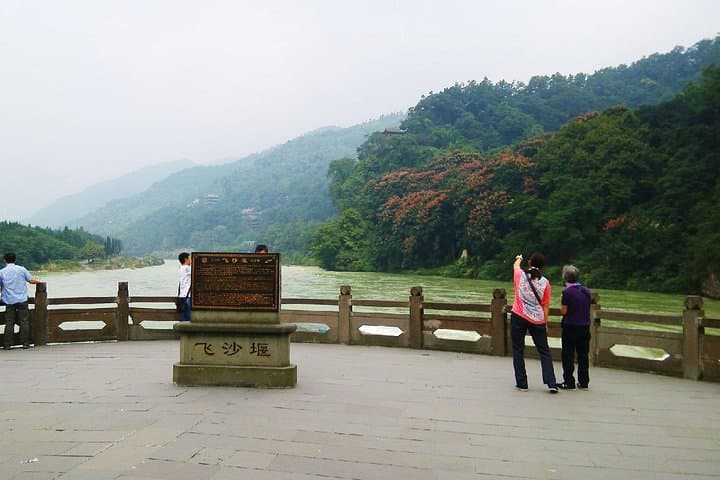
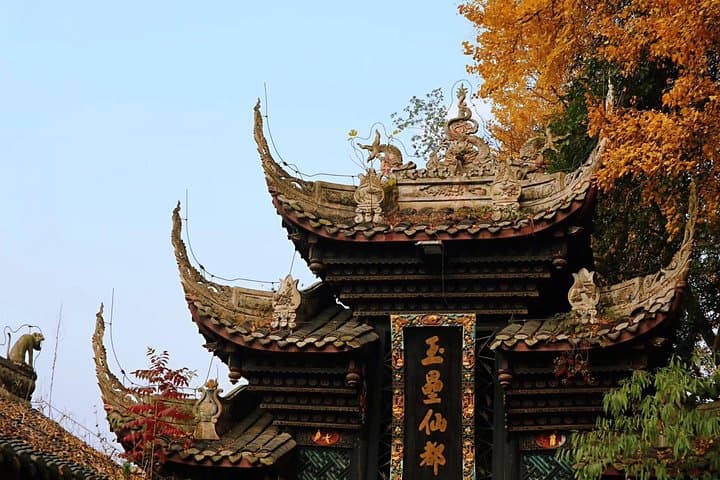
Qingcheng is one of Taoism’s birthplaces, its temples and inscriptions dating back centuries and its humid, granitic slopes encouraging dense vegetation and shaded trails. In the afternoon you move to the Dujiangyan Irrigation Project — a 2,000-year-old, no‑dam system engineered by Li Bing that still redirects the Min River to irrigate fields downstream. Walk paved embankments and viewing platforms to watch currents shaped by carved channels rather than concrete, and learn the simple, enduring genius that keeps farms productive across Sichuan.
Practical guidance: expect a full 8‑hour day with hotel pickup in Chengdu, moderate walking on uneven stone steps and paved paths, and one included cable car ride. Wear sturdy shoes, layered clothing for variable mountain weather, and bring a daypack with water and identification for entrance tickets. Lunch is provided; small cash is useful for snacks and temple donations. Start early to avoid crowds and midday heat, and leave time to appreciate both engineered water and ancestral woodlands before the drive back to Chengdu.
moderate.
8 hours.
Suitable for travelers in moderate shape who can handle short uphill hikes (30–60 minutes) and several hours of walking.
Yes — private pickup and drop-off from central Chengdu hotels are included in the tour.
Entrance fees and the advertised cable car ride are included as part of the tour package.
Expect moderate walking: about a 30‑minute uphill hike from the cable car to the Qingcheng summit viewpoint and flat, paved walks at Dujiangyan.
Yes — a local Chinese lunch is included; notify the operator of dietary restrictions when booking.
Qingcheng Mountain has been a major center of Taoist practice for centuries; Dujiangyan, engineered by Li Bing in the 3rd century BCE, is the oldest functioning irrigation system in the world and a UNESCO World Heritage Site.
Both sites balance heavy visitation with preservation; visitors are asked to stay on marked paths, avoid littering, and minimize noise to protect fragile temple sites and riparian habitats.
China Theme Tour operates guided outdoor trips and adventures with an emphasis on safety, stewardship, and memorable experiences.
Morning fog clings to the pines as your private vehicle pulls off the highway and the Chengdu plain slips away. You step into a cool, green world—Qingcheng Mountain’s forested slopes press close, temples and stone steps threaded through moss and bamboo. A quick cable car carries you above the first stand of trees; from the top a short, steep hike (roughly 1 km with ~200–300 m of ascent, about 30 minutes at a steady pace) delivers a sweeping view and the quiet of Taoist courtyards.
Morning fog clings to the pines as your private vehicle pulls off the highway and the Chengdu plain slips away. You step into a cool, green world—Qingcheng Mountain’s forested slopes press close, temples and stone steps threaded through moss and bamboo. A quick cable car carries you above the first stand of trees; from the top a short, steep hike (roughly 1 km with ~200–300 m of ascent, about 30 minutes at a steady pace) delivers a sweeping view and the quiet of Taoist courtyards.
Qingcheng is one of Taoism’s birthplaces, its temples and inscriptions dating back centuries and its humid, granitic slopes encouraging dense vegetation and shaded trails. In the afternoon you move to the Dujiangyan Irrigation Project — a 2,000-year-old, no‑dam system engineered by Li Bing that still redirects the Min River to irrigate fields downstream. Walk paved embankments and viewing platforms to watch currents shaped by carved channels rather than concrete, and learn the simple, enduring genius that keeps farms productive across Sichuan.
Practical guidance: expect a full 8‑hour day with hotel pickup in Chengdu, moderate walking on uneven stone steps and paved paths, and one included cable car ride. Wear sturdy shoes, layered clothing for variable mountain weather, and bring a daypack with water and identification for entrance tickets. Lunch is provided; small cash is useful for snacks and temple donations. Start early to avoid crowds and midday heat, and leave time to appreciate both engineered water and ancestral woodlands before the drive back to Chengdu.