THE ADVENTURE COLLECTIVE® · Independent discovery and booking for outdoor travel

Combine a close-up cheetah sanctuary visit with an afternoon of cellar-door wine tastings in Stellenbosch and Franschhoek. This full-day private tour pairs conservation-focused animal encounters with the geology and flavours of the Cape Winelands.
Combine a close-up cheetah sanctuary visit with an afternoon of cellar-door wine tastings in Stellenbosch and Franschhoek. This full-day private tour pairs conservation-focused animal encounters with the geology and flavours of the Cape Winelands.
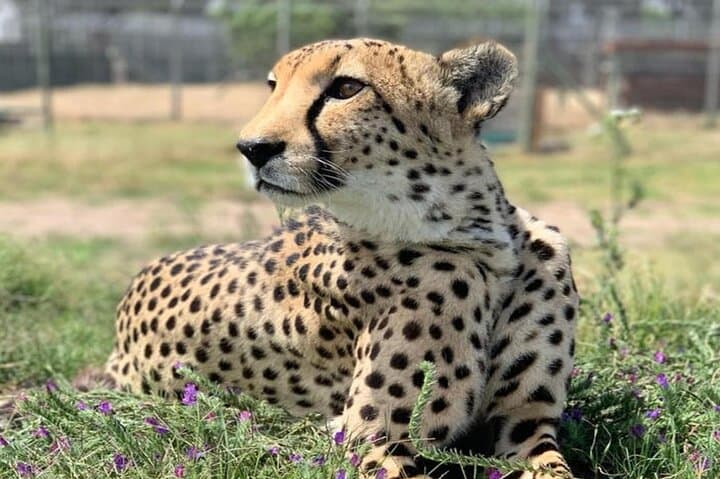
A cool Cape Town morning finds the minivan slipping out of the city, fynbos-scented wind pushing through the open windows as the Cape Peninsula gives way to broad valleys. The first stop is Cheetah Outreach in Somerset West — a low-slung sanctuary where the cats move with a deliberate economy of motion and guides translate behaviour into accessible conservation lessons.
Verified experiences and guided adventures in the surrounding area.
Operated by Trams Tours(Pty)Ltd · Cape Town, Western Cape
A cool Cape Town morning finds the minivan slipping out of the city, fynbos-scented wind pushing through the open windows as the Cape Peninsula gives way to broad valleys. The first stop is Cheetah Outreach in Somerset West — a low-slung sanctuary where the cats move with a deliberate economy of motion and guides translate behaviour into accessible conservation lessons.
The drive into the Winelands crosses geology you can read on the roadside: granite outcrops of the Stellenbosch and Simonsberg ranges, soils that coax different varietals from Shiraz to Chardonnay. Stellenbosch, founded in the 1690s, is the province’s older European settlement and where South Africa’s wine story accelerates; nearby Franschhoek carries a Huguenot imprint in its stone buildings and artisanal eateries.
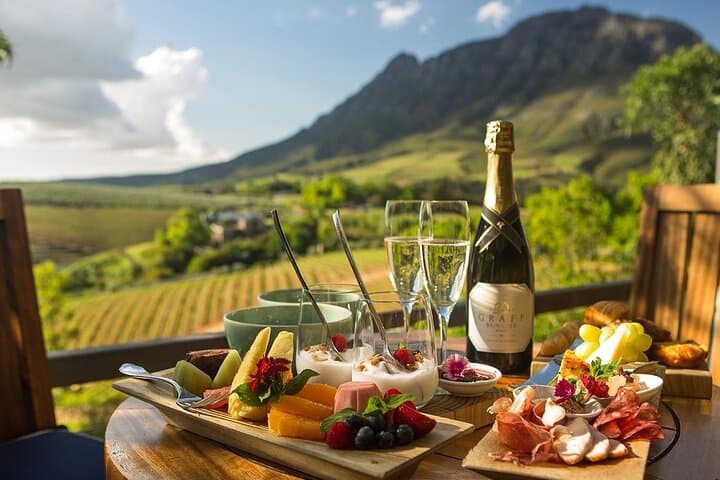
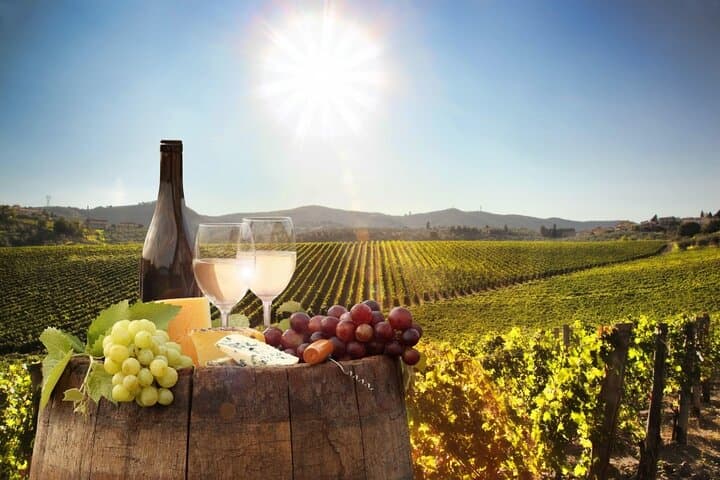
Visitors split the day between guided animal encounters and cellar-door tastings. At the sanctuary, handlers explain breeding programmes, habitat threats and appropriate viewing protocols. In the vineyards, sommeliers frame wines by terroir and the unique Pinotage cross.
Practical guidance: expect about eight hours with hotel transfer from central Cape Town; wear sturdy walking shoes for brief cellar and sanctuary paths, pack sun protection and a light layer for coastal breezes. Photography is welcome but follow staff directions around animals and limit flash. Bring a reusable water bottle — wineries will provide tastings but hydration matters. If you plan to drive independently, note South African drinking laws and plan a designated driver or join a guided transfer. The day blends close wildlife education with scenic tasting stops, offering a grounded way to see conservation and craft wine side by side.
easy.
8 hours.
Suitable for most fitness levels; requires short periods of standing and walking on uneven surfaces.
Interactions are supervised and guided by sanctuary staff; close viewing is common but physical contact is controlled and only allowed when staff deem it safe.
Wine tasting fees are included for the scheduled estates listed by the operator, but additional purchases and premium flights may be extra.
Yes — the tour provides hotel pickup and drop-off from central Cape Town hotels; confirm your pickup point during booking.
Minors can join the tour and visit the sanctuary, but alcohol tastings are restricted to guests aged 18 and over in line with local law.
Stellenbosch is the Western Cape’s second-oldest European settlement, and the region’s wine industry expanded from 17th-century vineyards; Pinotage, a uniquely South African grape, was developed here in the 20th century.
Cheetah Outreach participates in captive-breeding and educational programmes; visitors support conservation funding when they follow viewing protocols and respect animal welfare guidelines.
Trams Tours(Pty)Ltd operates guided outdoor trips and adventures with an emphasis on safety, stewardship, and memorable experiences.

A cool Cape Town morning finds the minivan slipping out of the city, fynbos-scented wind pushing through the open windows as the Cape Peninsula gives way to broad valleys. The first stop is Cheetah Outreach in Somerset West — a low-slung sanctuary where the cats move with a deliberate economy of motion and guides translate behaviour into accessible conservation lessons.
A cool Cape Town morning finds the minivan slipping out of the city, fynbos-scented wind pushing through the open windows as the Cape Peninsula gives way to broad valleys. The first stop is Cheetah Outreach in Somerset West — a low-slung sanctuary where the cats move with a deliberate economy of motion and guides translate behaviour into accessible conservation lessons.
The drive into the Winelands crosses geology you can read on the roadside: granite outcrops of the Stellenbosch and Simonsberg ranges, soils that coax different varietals from Shiraz to Chardonnay. Stellenbosch, founded in the 1690s, is the province’s older European settlement and where South Africa’s wine story accelerates; nearby Franschhoek carries a Huguenot imprint in its stone buildings and artisanal eateries.
Visitors split the day between guided animal encounters and cellar-door tastings. At the sanctuary, handlers explain breeding programmes, habitat threats and appropriate viewing protocols. In the vineyards, sommeliers frame wines by terroir and the unique Pinotage cross.
Practical guidance: expect about eight hours with hotel transfer from central Cape Town; wear sturdy walking shoes for brief cellar and sanctuary paths, pack sun protection and a light layer for coastal breezes. Photography is welcome but follow staff directions around animals and limit flash. Bring a reusable water bottle — wineries will provide tastings but hydration matters. If you plan to drive independently, note South African drinking laws and plan a designated driver or join a guided transfer. The day blends close wildlife education with scenic tasting stops, offering a grounded way to see conservation and craft wine side by side.