THE ADVENTURE COLLECTIVE® · Independent discovery and booking for outdoor travel

An open-trike day trip from Cape Town through Du Toitskloof, Slanghoek and Bainskloof, visiting fruit country and historic mountain passes. Expect scenic photo stops, farm produce, and riding on sealed mountain roads.
An open-trike day trip from Cape Town through Du Toitskloof, Slanghoek and Bainskloof, visiting fruit country and historic mountain passes. Expect scenic photo stops, farm produce, and riding on sealed mountain roads.
You swing a leg over an open trike at first light and the air immediately changes — salt and city give way to scrub, orchard scent and a road that climbs. The Du Toitskloof pass rises before you, its ridges of folded sandstone and shale pushing the sky, and the trike hums, exposing you to wind, birdsong and the smell of ripening fruit.
Verified experiences and guided adventures in the surrounding area.
Operated by Cape Town Trike Tours · Ceres, Western Cape
You swing a leg over an open trike at first light and the air immediately changes — salt and city give way to scrub, orchard scent and a road that climbs. The Du Toitskloof pass rises before you, its ridges of folded sandstone and shale pushing the sky, and the trike hums, exposing you to wind, birdsong and the smell of ripening fruit.
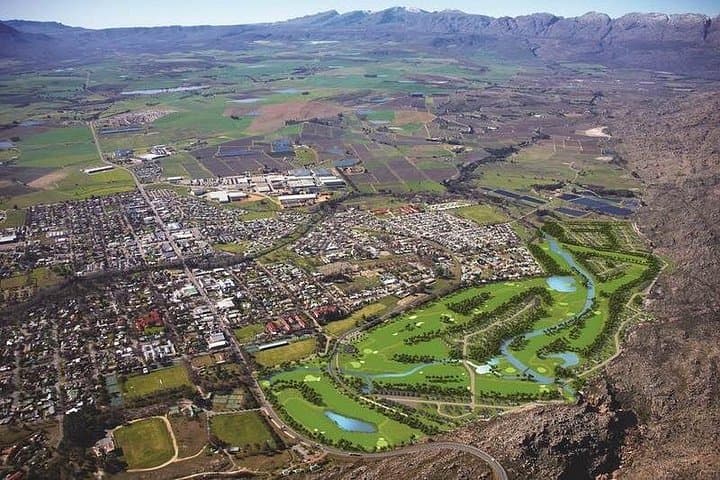
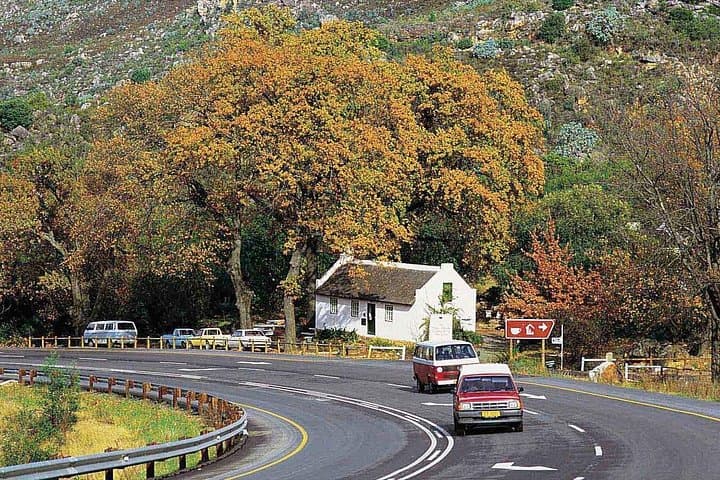
This route is a slice through Western Cape history: Ceres began as a settlement in 1729 and grew into the region’s fruit-belt; the Bainskloof Pass—built by Thomas Bain in the 1850s—remains an engineering landmark. Geologically you’re riding the Cape Fold Belt, where quartzitic sandstone forms steep faces and river gorges, and the Slanghoek valley opens into orchards and vineyards cultivated by generations.
Culturally the trip crosses Afrikaans farming towns and small wine estates; drivers often stop in Wolseley or Ceres for a market snack or farm produce. Nature here is assertive — rivers push through gorges and mountain wind tests your layers.
Practical guide: this full-day tour runs about eight hours with multiple photo and refreshment stops; expect around 250–300 km of mixed motorway and sealed mountain roads, with hairpins and short steep grades. Dress in windproof layers, bring sun protection, motion-sickness remedies if you’re sensitive, and a small camera with spare battery. Hydrate between stops and carry cash for market purchases in Ceres. The pace is scenic rather than strenuous — perfect for riders who want close, sensory access to the Western Cape without the exertion of hiking.
easy.
8 hours.
Minimal fitness required — ability to mount and dismount a low trike and tolerate a full day of exposure to wind is sufficient
Tours typically begin and end in Cape Town, with hotel or guesthouse pickup and drop-off included in many departures.
Yes — the trike is designed for passengers and the tour is marketed as suitable for all fitness levels, but you should be comfortable with open-air riding.
Lunch in Ceres is usually not included; the itinerary includes a stop where you can buy food at local cafes or farm stalls.
The route uses sealed motorways and mountain passes with well-maintained tarmac; expect twists and hairpins but no off-road sections.
Ceres was first settled in 1729 and developed through the 19th century as fruit farming expanded; Bainskloof Pass was engineered by Thomas Bain and opened in 1853.
The valley’s agriculture relies heavily on irrigation, so respect water resources and avoid littering; stick to roads and marked pullouts to minimize disturbance to river corridors.
Cape Town Trike Tours operates guided outdoor trips and adventures with an emphasis on safety, stewardship, and memorable experiences.
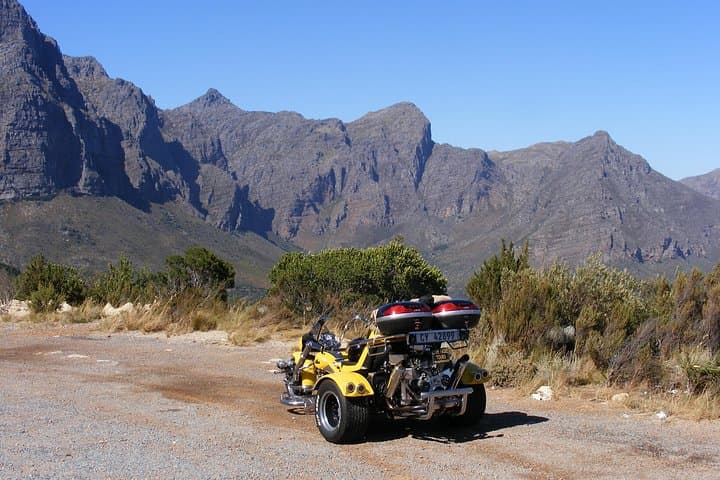
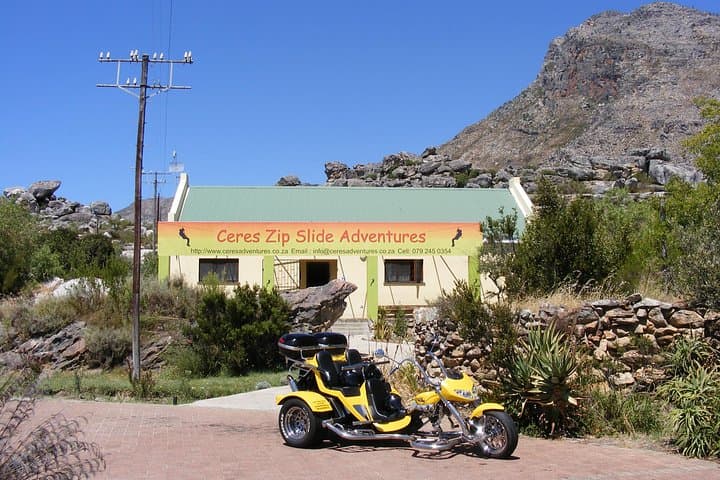
You swing a leg over an open trike at first light and the air immediately changes — salt and city give way to scrub, orchard scent and a road that climbs. The Du Toitskloof pass rises before you, its ridges of folded sandstone and shale pushing the sky, and the trike hums, exposing you to wind, birdsong and the smell of ripening fruit.
You swing a leg over an open trike at first light and the air immediately changes — salt and city give way to scrub, orchard scent and a road that climbs. The Du Toitskloof pass rises before you, its ridges of folded sandstone and shale pushing the sky, and the trike hums, exposing you to wind, birdsong and the smell of ripening fruit.
This route is a slice through Western Cape history: Ceres began as a settlement in 1729 and grew into the region’s fruit-belt; the Bainskloof Pass—built by Thomas Bain in the 1850s—remains an engineering landmark. Geologically you’re riding the Cape Fold Belt, where quartzitic sandstone forms steep faces and river gorges, and the Slanghoek valley opens into orchards and vineyards cultivated by generations.
Culturally the trip crosses Afrikaans farming towns and small wine estates; drivers often stop in Wolseley or Ceres for a market snack or farm produce. Nature here is assertive — rivers push through gorges and mountain wind tests your layers.
Practical guide: this full-day tour runs about eight hours with multiple photo and refreshment stops; expect around 250–300 km of mixed motorway and sealed mountain roads, with hairpins and short steep grades. Dress in windproof layers, bring sun protection, motion-sickness remedies if you’re sensitive, and a small camera with spare battery. Hydrate between stops and carry cash for market purchases in Ceres. The pace is scenic rather than strenuous — perfect for riders who want close, sensory access to the Western Cape without the exertion of hiking.