THE ADVENTURE COLLECTIVE® · Independent discovery and booking for outdoor travel

Trace Cebu’s colonial past from Magellan’s Cross to breezy highland gardens on this full-day private tour. Expect historic plazas, fortress walls, a mausoleum with city views, and a local lunch between stops.
Trace Cebu’s colonial past from Magellan’s Cross to breezy highland gardens on this full-day private tour. Expect historic plazas, fortress walls, a mausoleum with city views, and a local lunch between stops.
You step off the air-conditioned van into a humid Cebu morning and the city opens like a map: churches, stone fortifications, and a skyline pressed against green hills. The tour threads colonial markers — Magellan’s Cross and Basilica del Santo Niño — through neighborhoods where Spanish-era stone meets contemporary jeepneys and street markets.
Verified experiences and guided adventures in the surrounding area.
Operated by DIVAISHNAVI INTL. INC. · Cebu City, Cebu
You step off the air-conditioned van into a humid Cebu morning and the city opens like a map: churches, stone fortifications, and a skyline pressed against green hills. The tour threads colonial markers — Magellan’s Cross and Basilica del Santo Niño — through neighborhoods where Spanish-era stone meets contemporary jeepneys and street markets.
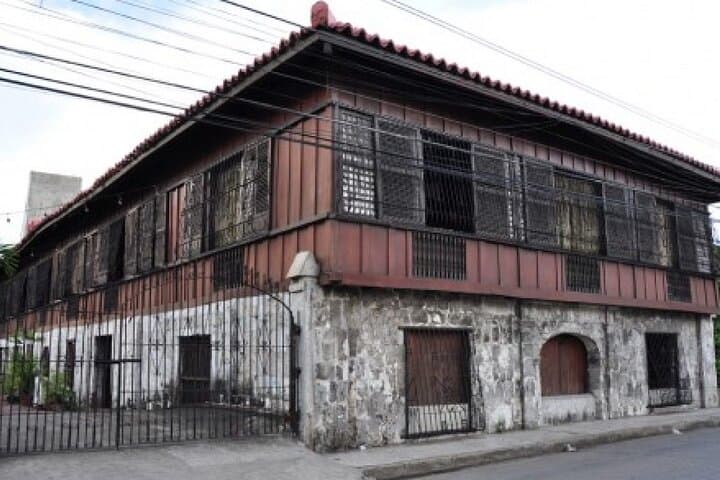
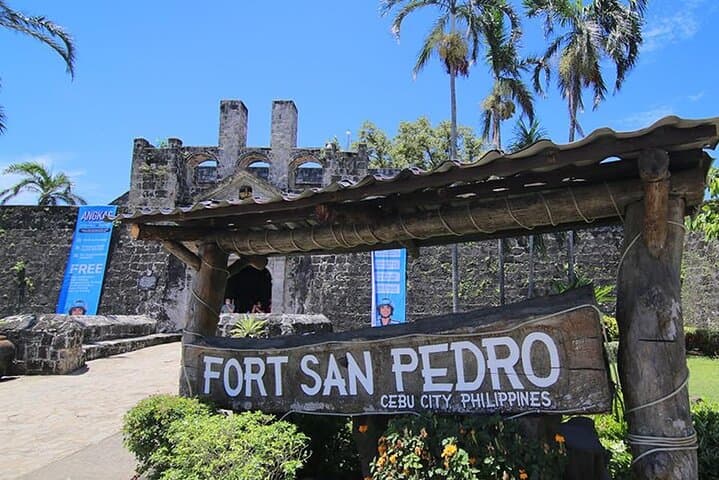
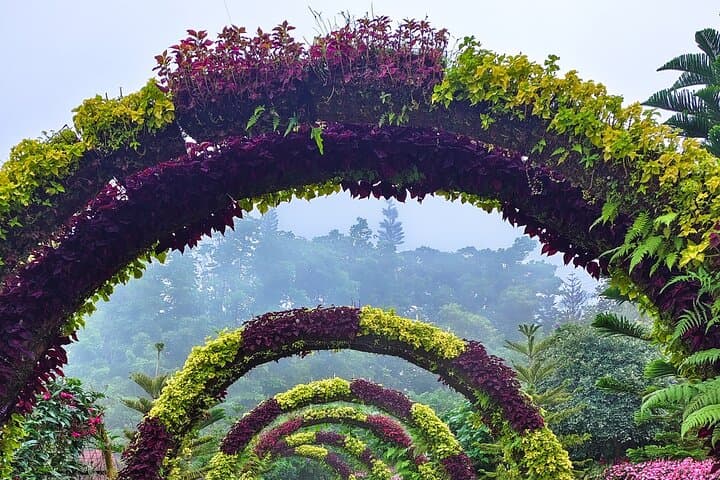
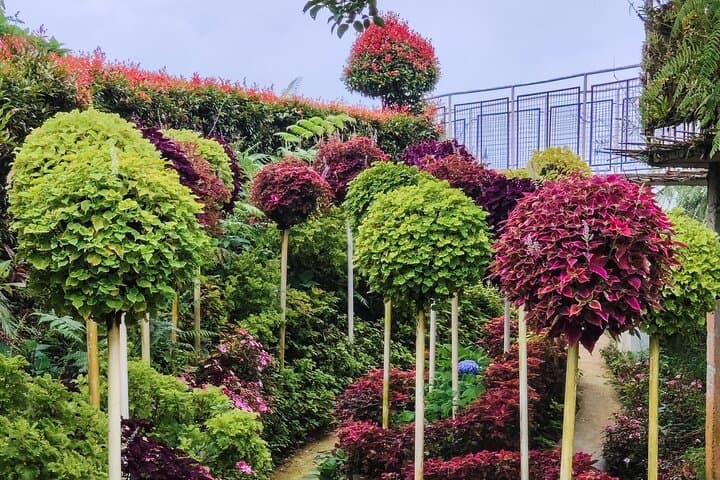
Cebu’s story is visible in its layered architecture and coastal geology: coral limestone hardened into plazas and fort walls, volcanic soils feeding the slopes above the city. Fort San Pedro’s low triangular bastion recalls 16th-century defenses; the Cebu Heritage Monument panels compress centuries of trade, resistance, and Catholic mission work into bronze relief. Higher on the ridge, Temple of Leah offers sweeping views and a personal mausoleum-style homage, while Buwakan ni Alejandra’s terraced flower beds trade the city’s heat for cooler, fragranced air.
Culturally, the route centers on the Santo Niño relic — an object of devotion since Magellan’s 1521 arrival — and the living practice of fiestas and street food that animates Cebu. Expect small, authentic touches: roadside corn vendors, local restaurants serving lechon-inspired flavors, and a guide who points out historical turning points and present-day rhythms.
Practical guidance: bring sun protection and comfortable walking shoes for uneven sidewalks and a short uphill stretch to the highlands. Carry water, wear light layers for brief temperature drops at elevation, and budget time for photos at the Temple of Leah and the flower garden. The tour is accessible for most fitness levels and blends urban history with a breath of mountain air — a full day that feels both grounded and open-ended.
easy.
6–8 hours.
Suitable for most fitness levels; requires moderate walking and short stair/grade climbs
Admission to some sites like Fort San Pedro is included per itinerary notes; confirm specifics with the operator before booking.
Lunch is at a local restaurant—advise dietary needs when booking so the guide can arrange alternatives.
Yes; infants must sit on laps and the pace is family-friendly, though expect walking and short uphill sections.
The tour runs about 6–8 hours including driving between city and highland sites; pickup timing is provided at booking.
Cebu was the Philippines’ first Spanish foothold after Magellan’s 1521 arrival; the Santo Niño relic and Fort San Pedro reflect early colonial and religious influence.
Support local vendors and the flower garden by staying on paths, disposing of waste properly, and following site rules to preserve plantings and heritage structures.
DIVAISHNAVI INTL. INC. operates guided outdoor trips and adventures with an emphasis on safety, stewardship, and memorable experiences.
You step off the air-conditioned van into a humid Cebu morning and the city opens like a map: churches, stone fortifications, and a skyline pressed against green hills. The tour threads colonial markers — Magellan’s Cross and Basilica del Santo Niño — through neighborhoods where Spanish-era stone meets contemporary jeepneys and street markets.
You step off the air-conditioned van into a humid Cebu morning and the city opens like a map: churches, stone fortifications, and a skyline pressed against green hills. The tour threads colonial markers — Magellan’s Cross and Basilica del Santo Niño — through neighborhoods where Spanish-era stone meets contemporary jeepneys and street markets.
Cebu’s story is visible in its layered architecture and coastal geology: coral limestone hardened into plazas and fort walls, volcanic soils feeding the slopes above the city. Fort San Pedro’s low triangular bastion recalls 16th-century defenses; the Cebu Heritage Monument panels compress centuries of trade, resistance, and Catholic mission work into bronze relief. Higher on the ridge, Temple of Leah offers sweeping views and a personal mausoleum-style homage, while Buwakan ni Alejandra’s terraced flower beds trade the city’s heat for cooler, fragranced air.
Culturally, the route centers on the Santo Niño relic — an object of devotion since Magellan’s 1521 arrival — and the living practice of fiestas and street food that animates Cebu. Expect small, authentic touches: roadside corn vendors, local restaurants serving lechon-inspired flavors, and a guide who points out historical turning points and present-day rhythms.
Practical guidance: bring sun protection and comfortable walking shoes for uneven sidewalks and a short uphill stretch to the highlands. Carry water, wear light layers for brief temperature drops at elevation, and budget time for photos at the Temple of Leah and the flower garden. The tour is accessible for most fitness levels and blends urban history with a breath of mountain air — a full day that feels both grounded and open-ended.