THE ADVENTURE COLLECTIVE® · Independent discovery and booking for outdoor travel

A single-day route that pairs Casablanca’s modern Atlantic façade with Rabat’s layered history. Visit the Hassan II Mosque, stroll the Corniche, and explore Hassan Tower and the Kasbah of the Udayas with a licensed guide.
A single-day route that pairs Casablanca’s modern Atlantic façade with Rabat’s layered history. Visit the Hassan II Mosque, stroll the Corniche, and explore Hassan Tower and the Kasbah of the Udayas with a licensed guide.
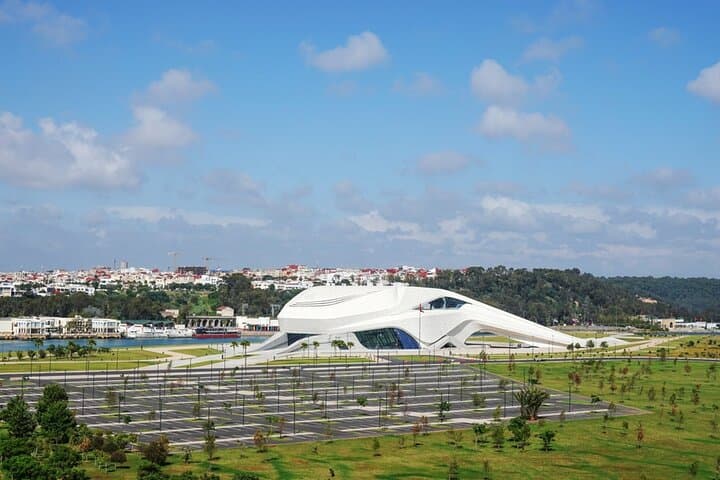
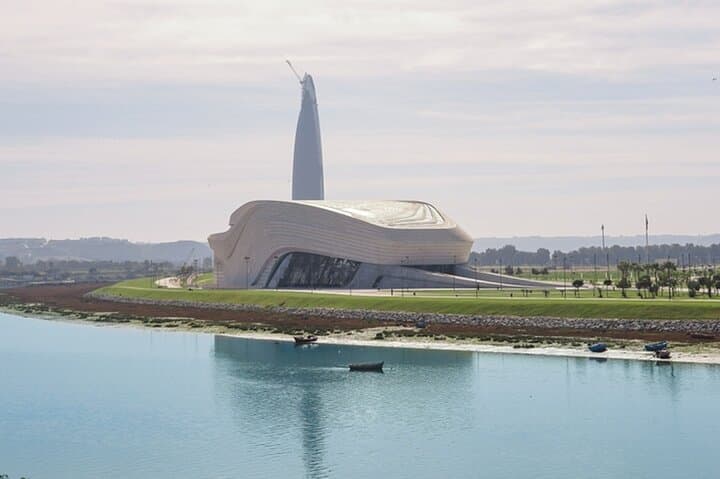
You step off the quay into a low Atlantic breeze and the city unfolds in layers—modern glass brushing shoulders with ochre medina walls. In Casablanca the Hassan II Mosque dominates the shoreline, its minaret slicing the sky while the Corniche laughs with cafés and walkers daring the spray. Later, the drive northwest toward Rabat traces the Bou Regreg estuary; the river pushes the landscape into a mix of Roman ruins and Islamic citadels.
Verified experiences and guided adventures in the surrounding area.
Operated by latifa Tours · Casablanca, Casablanca-Settat
You step off the quay into a low Atlantic breeze and the city unfolds in layers—modern glass brushing shoulders with ochre medina walls. In Casablanca the Hassan II Mosque dominates the shoreline, its minaret slicing the sky while the Corniche laughs with cafés and walkers daring the spray. Later, the drive northwest toward Rabat traces the Bou Regreg estuary; the river pushes the landscape into a mix of Roman ruins and Islamic citadels.
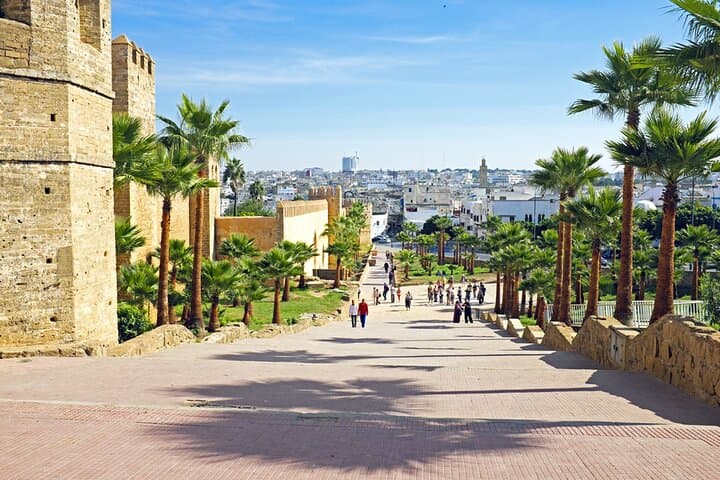
Rabat, Morocco’s political heart since the French protectorate established it in 1912, balances Ottoman-era fortifications, French colonial boulevards, and Almohad-era monuments like Hassan Tower. Geology here is coastal plain backed by limestone plateaus; you’ll notice the sudden change from Atlantic sands to river-fed gardens at the Kasbah of the Udayas. Culture is tactile—markets where leather and tile are still fashioned by hand, and cafés that keep a steady ritual of mint tea.
Expect a curated, paced day: guided stops at Hassan II Mosque, Casablanca’s central squares, the Corniche, Rabat’s Hassan Tower, the Mausoleum of Mohammed V, the Kasbah of the Udayas, and the Roman-Chellah ruins. Practicalities matter—wear comfortable shoes for cobbled medina streets, bring sun protection for exposed promenades, and carry modest clothing for mosque exteriors. The tour runs 6–8 hours with private transport and multilingual guides; port pickup and bottled water are typically included. Arrive hydrated, charge your phone for photos, and leave room in your schedule to linger over a seaside lunch—the Atlantic will still be there when you’re ready to watch it.
easy.
6–8 hours.
Suitable for most fitness levels; involves moderate standing and walking on uneven surfaces
Admission depends on the itinerary; many tours include exterior viewing while mosque entry may require a separate fee—confirm with the operator.
Yes; licensed operators commonly offer seamless port pickup and drop-off—provide your ship details at booking.
Parts of the itinerary (promenades, some museum exteriors) are wheelchair-accessible, but historic sites may have steps—check specifics with the provider.
Most full-day city tours include bottled water and soft drinks; lunch is usually not included so plan for a café stop or pre-arranged meal option.
Rabat was chosen as administrative capital during the French protectorate in 1912; the city retains Almohad and 20th-century French planning influences alongside older Roman sites like Chellah.
Coastal areas face erosion and urban pressure; support local guides and minimize plastic use to reduce impact on fragile shoreline and historic neighborhoods.
latifa Tours operates guided outdoor trips and adventures with an emphasis on safety, stewardship, and memorable experiences.

You step off the quay into a low Atlantic breeze and the city unfolds in layers—modern glass brushing shoulders with ochre medina walls. In Casablanca the Hassan II Mosque dominates the shoreline, its minaret slicing the sky while the Corniche laughs with cafés and walkers daring the spray. Later, the drive northwest toward Rabat traces the Bou Regreg estuary; the river pushes the landscape into a mix of Roman ruins and Islamic citadels.
You step off the quay into a low Atlantic breeze and the city unfolds in layers—modern glass brushing shoulders with ochre medina walls. In Casablanca the Hassan II Mosque dominates the shoreline, its minaret slicing the sky while the Corniche laughs with cafés and walkers daring the spray. Later, the drive northwest toward Rabat traces the Bou Regreg estuary; the river pushes the landscape into a mix of Roman ruins and Islamic citadels.
Rabat, Morocco’s political heart since the French protectorate established it in 1912, balances Ottoman-era fortifications, French colonial boulevards, and Almohad-era monuments like Hassan Tower. Geology here is coastal plain backed by limestone plateaus; you’ll notice the sudden change from Atlantic sands to river-fed gardens at the Kasbah of the Udayas. Culture is tactile—markets where leather and tile are still fashioned by hand, and cafés that keep a steady ritual of mint tea.
Expect a curated, paced day: guided stops at Hassan II Mosque, Casablanca’s central squares, the Corniche, Rabat’s Hassan Tower, the Mausoleum of Mohammed V, the Kasbah of the Udayas, and the Roman-Chellah ruins. Practicalities matter—wear comfortable shoes for cobbled medina streets, bring sun protection for exposed promenades, and carry modest clothing for mosque exteriors. The tour runs 6–8 hours with private transport and multilingual guides; port pickup and bottled water are typically included. Arrive hydrated, charge your phone for photos, and leave room in your schedule to linger over a seaside lunch—the Atlantic will still be there when you’re ready to watch it.