THE ADVENTURE COLLECTIVE® · Independent discovery and booking for outdoor travel

Spend a full day exploring Cappadocia’s lunar-like valleys, climb to the top of Uçhisar Castle for sweeping views, and try your hand at Avanos pottery during a guided small-group tour from Göreme. This seven to eight-hour route pairs geological wonder with living craft and a local lunch.
Spend a full day exploring Cappadocia’s lunar-like valleys, climb to the top of Uçhisar Castle for sweeping views, and try your hand at Avanos pottery during a guided small-group tour from Göreme. This seven to eight-hour route pairs geological wonder with living craft and a local lunch.
You step out of the minibus and the land rearranges itself: rounded pillars, squat cones and thin, knife-like spires stand like a crowd of silent columns. The sun is low and the soft volcanic rock glows apricot. A guide gestures toward Uçhisar Castle on the skyline—a weathered knob of stone that has kept watch over this strange country for millennia—and the day begins to read like a map of time.
Verified experiences and guided adventures in the surrounding area.
Operated by Tourmania · Göreme, Nevşehir
You step out of the minibus and the land rearranges itself: rounded pillars, squat cones and thin, knife-like spires stand like a crowd of silent columns. The sun is low and the soft volcanic rock glows apricot. A guide gestures toward Uçhisar Castle on the skyline—a weathered knob of stone that has kept watch over this strange country for millennia—and the day begins to read like a map of time.
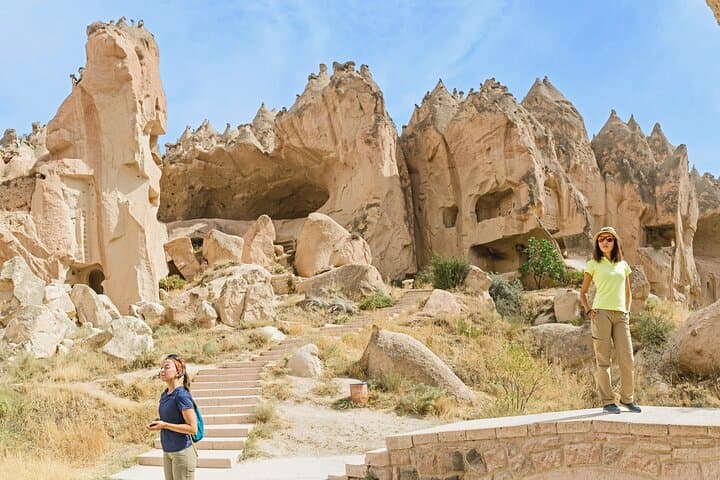
Cappadocia’s landscape is the work of fire and wind. Millennia ago volcanic eruptions laid down thick layers of tuff and basalt; since then glacial melt, rain and wind have been chewing and chiseling. The fairy chimneys—delicate caps balanced on soft stems—are erosional sculptures, fragile yet persistent. Humans have been equally inventive here: early Christians carved churches and frescoed sanctuaries into cones and caves, while later communities hollowed homes and kilns into the rock.
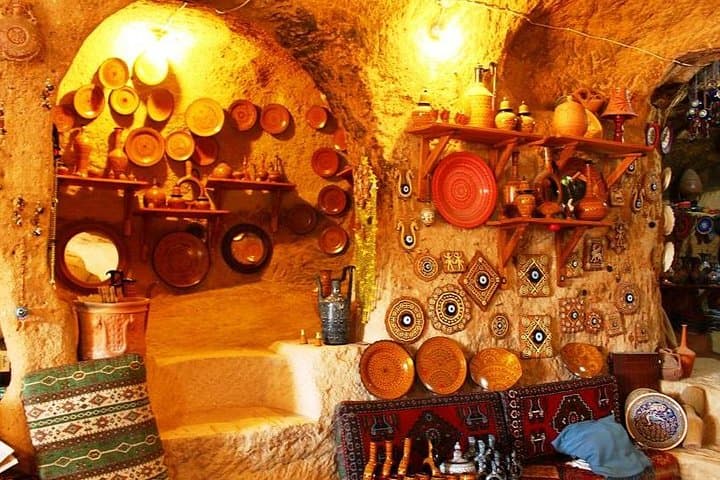
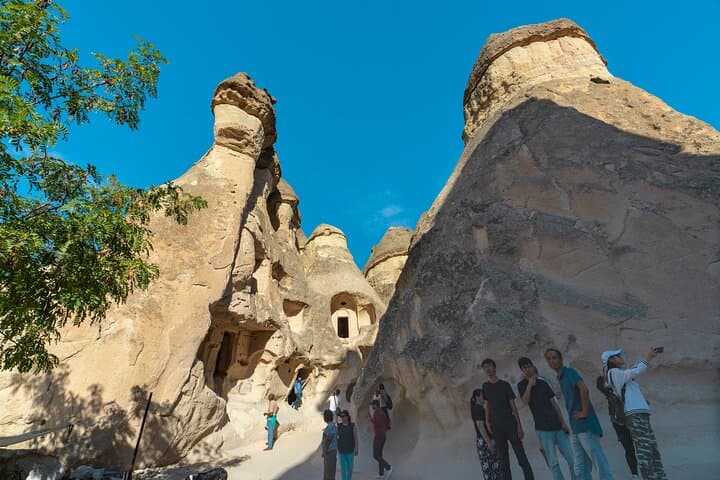
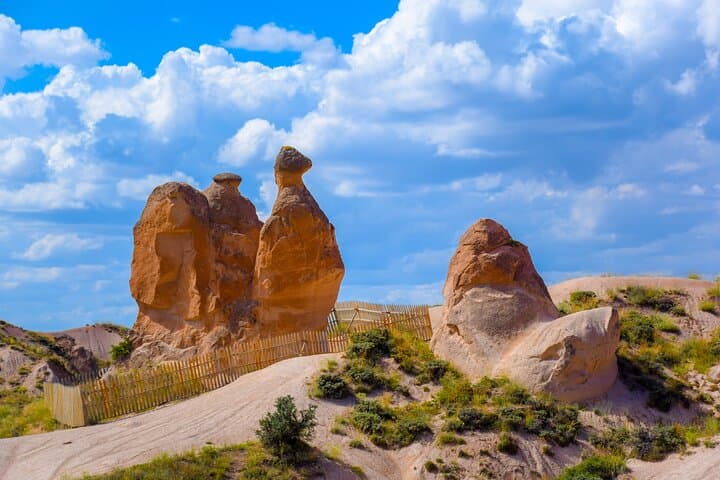
The tour threads through those layers of geology and culture. In Göreme Open Air Museum, cave churches keep frescoes that still read like whispered sermons; Pasabağ’s monk cells reveal a quieter, ascetic chapter. Devrent Valley invites a lighter mood—its formations evoke animals and faces, and it’s easy to let imagination walk alongside the guide. Lunch in Avanos shifts the day from landscape to craft: the red river clay is the town’s story, and watching a master at the wheel shows how local hands turn raw earth into objects that survive the centuries.
What this tour gives you is perspective—literal and human. From Uçhisar’s rooftop vantage you see valleys carved into wave-like patterns and rooftops of cave hotels dotting slopes. You feel the texture of basalt underfoot, dust rising as a breeze teases the valleys. The guide's context—why a church faces east, how pottery signaled trade—makes the odd geology legible.
Practical edge: the day is long (about seven to eight hours) but not technically demanding. Expect several short walks on uneven, dusty ground, some steps and low tunnels in cave towns. Wear sturdy shoes, carry water, and bring layers: mornings can be cool and midday surprisingly warm under the Anatolian sun. If you want photos without crowds, shift your schedule to early morning or late afternoon light.
This is a tour for travelers who want to move through Cappadocia rather than simply look at it: to touch a pottery wheel, climb a castle, and let a dry river valley dare you to keep walking. With local lunch and the shepherding of an informed guide, a full day like this turns the region’s geological oddities and living traditions into an intelligible, memorable route.
easy.
7–8 hours.
Suitable for most fitness levels; involves multiple short walks on uneven terrain and a number of steps but no technical climbing.
The tour runs about 7–8 hours (420–480 minutes), including hotel pickup and drop-off, multiple stops and a sit-down lunch.
Yes; it’s rated easy and suitable for most fitness levels, but participants should be able to walk short distances on uneven ground.
Some entrance fees are included if the selected option specifies them—confirm during booking; the tour description lists admission inclusions for certain sites.
Yes. The itinerary includes a hands-on pottery workshop in Avanos where you can watch a demonstration and try the wheel.
Yes. The tour stops at Göreme Open Air Museum where several cave churches and frescoes are part of the visit.
Hotel pickup and drop-off are included; exact pickup times vary so confirm with the local operator after booking.
Cappadocia has been inhabited since Hittite times and later became a refuge for early Christians who carved churches and monasteries into volcanic rock.
Erosion shapes the landscape continually; visitors are asked to stay on marked paths and avoid climbing fragile formations to protect them for future generations.
Tourmania operates guided outdoor trips and adventures with an emphasis on safety, stewardship, and memorable experiences.
You step out of the minibus and the land rearranges itself: rounded pillars, squat cones and thin, knife-like spires stand like a crowd of silent columns. The sun is low and the soft volcanic rock glows apricot. A guide gestures toward Uçhisar Castle on the skyline—a weathered knob of stone that has kept watch over this strange country for millennia—and the day begins to read like a map of time.
You step out of the minibus and the land rearranges itself: rounded pillars, squat cones and thin, knife-like spires stand like a crowd of silent columns. The sun is low and the soft volcanic rock glows apricot. A guide gestures toward Uçhisar Castle on the skyline—a weathered knob of stone that has kept watch over this strange country for millennia—and the day begins to read like a map of time.
Cappadocia’s landscape is the work of fire and wind. Millennia ago volcanic eruptions laid down thick layers of tuff and basalt; since then glacial melt, rain and wind have been chewing and chiseling. The fairy chimneys—delicate caps balanced on soft stems—are erosional sculptures, fragile yet persistent. Humans have been equally inventive here: early Christians carved churches and frescoed sanctuaries into cones and caves, while later communities hollowed homes and kilns into the rock.
The tour threads through those layers of geology and culture. In Göreme Open Air Museum, cave churches keep frescoes that still read like whispered sermons; Pasabağ’s monk cells reveal a quieter, ascetic chapter. Devrent Valley invites a lighter mood—its formations evoke animals and faces, and it’s easy to let imagination walk alongside the guide. Lunch in Avanos shifts the day from landscape to craft: the red river clay is the town’s story, and watching a master at the wheel shows how local hands turn raw earth into objects that survive the centuries.
What this tour gives you is perspective—literal and human. From Uçhisar’s rooftop vantage you see valleys carved into wave-like patterns and rooftops of cave hotels dotting slopes. You feel the texture of basalt underfoot, dust rising as a breeze teases the valleys. The guide's context—why a church faces east, how pottery signaled trade—makes the odd geology legible.
Practical edge: the day is long (about seven to eight hours) but not technically demanding. Expect several short walks on uneven, dusty ground, some steps and low tunnels in cave towns. Wear sturdy shoes, carry water, and bring layers: mornings can be cool and midday surprisingly warm under the Anatolian sun. If you want photos without crowds, shift your schedule to early morning or late afternoon light.
This is a tour for travelers who want to move through Cappadocia rather than simply look at it: to touch a pottery wheel, climb a castle, and let a dry river valley dare you to keep walking. With local lunch and the shepherding of an informed guide, a full day like this turns the region’s geological oddities and living traditions into an intelligible, memorable route.