THE ADVENTURE COLLECTIVE® · Independent discovery and booking for outdoor travel

A one-day loop through Cappadocia’s most iconic valleys and cultural sites, the Red Tour pairs dramatic viewpoints with centuries-old cave dwellings and pottery villages. Expect photo ops, short hikes, and a local guide who connects geology to human history.
A one-day loop through Cappadocia’s most iconic valleys and cultural sites, the Red Tour pairs dramatic viewpoints with centuries-old cave dwellings and pottery villages. Expect photo ops, short hikes, and a local guide who connects geology to human history.
You step from the minivan into a landscape that seems to be thinking in stone. Columns of tuff rise like quiet arguments between wind and time; a low sun slices the valleys into bands of ochre and rose. The guide folds a map and points toward Uchisar Castle, and for a moment the region’s hard-earned stillness feels like a held breath before a story begins.
Verified experiences and guided adventures in the surrounding area.
Operated by Travel Cappadocia · Göreme, Nevşehir
You step from the minivan into a landscape that seems to be thinking in stone. Columns of tuff rise like quiet arguments between wind and time; a low sun slices the valleys into bands of ochre and rose. The guide folds a map and points toward Uchisar Castle, and for a moment the region’s hard-earned stillness feels like a held breath before a story begins.
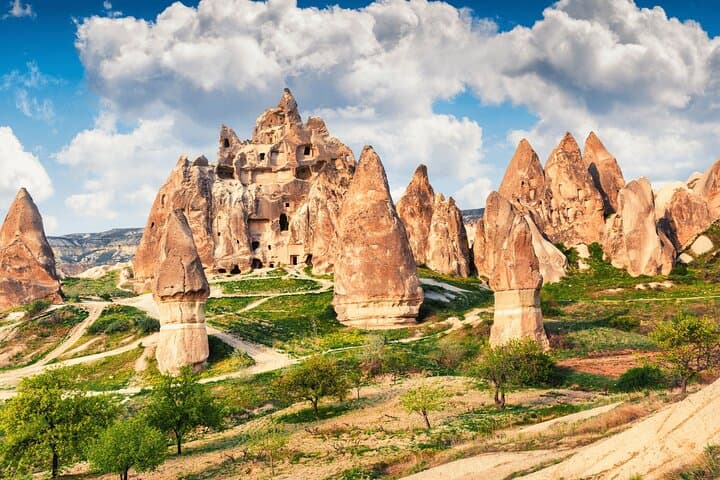
This is the Red Tour — Cappadocia in a day. It strings together Uchisar, Love Valley, Pasabag, Zelve Open-Air Museum, Devrent and Avanos so you see both sweeping panoramas and the human traces carved into soft volcanic rock. Geologically, Cappadocia is the aftermath of vanished volcanoes; ash compacted into tuff and then sculpted by rain and wind into the fairy chimneys that give the region its character. Cultural layers are equally visible: Hittite trade routes, Roman and Byzantine monasteries, and Byzantine-era cave churches whose frescoes still hold the places where early Christianity took root.
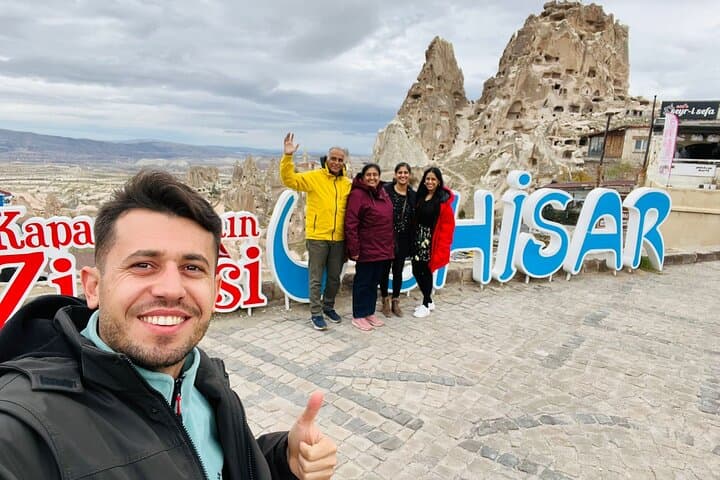
Uchisar Castle offers the clearest sense of topography — climb the carved stairways to stand with the whole region beneath your feet and watch hot-air balloons lift like patient thoughts. Love Valley frames a different mood: slender spires leaning into the sky like rakes. In Pasabag the mushroom-shaped chimneys appear deliberate, almost staged; here, the human habit of hollowing dwellings into rock feels intimate. Zelve’s open-air museum records centuries of continuous habitation, a human geography of caves, chapels and cellars. Avanos closes the day with clay and water: the Kızılırmak River and pottery workshops that trace technique back to Hittite times.
Practical guide: the full-day itinerary runs roughly 5–8 hours and includes short to moderate walks on uneven ground and stone steps. Wear sturdy shoes and bring a refillable water bottle; shade is limited between stops. Pickup from Göreme-area hotels is typically included — expect a 60-minute window before departure. Lunch and museum fees are often covered depending on your chosen option; confirm whether the museum pass is included if you select the without-museum variant.
Timing matters. Sunrise and early morning deliver the balloon-filled sky; late afternoon softens the stone for photography and eases the heat in summer. Guides are local and often bilingual, offering context on pottery traditions in Avanos and the region’s monastic past. If you want a quieter visit, schedule the Red Tour early in your Cappadocia stay so you can follow up on favorite spots independently. Finally, respect fragile formations: stay on marked paths and avoid climbing on delicate chimneys — the landscape is both ancient and fragile, and it’s waiting for the next travelers to read its layers.
moderate.
5–8 hours.
Moderate fitness; able to walk on uneven terrain and climb short stone stairways several times.
Expect 5–8 hours depending on traffic and group size; common inclusions are transport, lunch, and most museum fees — verify whether you booked the with- or without-museum option.
No technical hiking skills are required, but you should be comfortable walking on uneven ground and climbing short sets of stone steps.
Balloon rides are separate excursions; the tour offers great viewpoints for seeing balloons but does not include flights.
Yes — most operators include pickup from Göreme-area hotels with roughly a 60-minute window before departure; confirm your exact pickup time when booking.
Yes; Avanos workshops are part of the itinerary and typically allow demonstrations, shopping and hands-on sessions for an additional fee.
The tour is family-friendly and generally suitable for all ages, though some sites have steps and uneven terrain that may be challenging for those with mobility issues.
Cappadocia’s cave dwellings and churches record continuous human occupation from Hittite times through Byzantine Christian communities that carved monastic complexes into tuff.
Rising visitor numbers stress fragile tuff formations; stick to marked paths, support local businesses that practice sustainable tourism, and avoid touching frescoed interiors.
Travel Cappadocia operates guided outdoor trips and adventures with an emphasis on safety, stewardship, and memorable experiences.
You step from the minivan into a landscape that seems to be thinking in stone. Columns of tuff rise like quiet arguments between wind and time; a low sun slices the valleys into bands of ochre and rose. The guide folds a map and points toward Uchisar Castle, and for a moment the region’s hard-earned stillness feels like a held breath before a story begins.
You step from the minivan into a landscape that seems to be thinking in stone. Columns of tuff rise like quiet arguments between wind and time; a low sun slices the valleys into bands of ochre and rose. The guide folds a map and points toward Uchisar Castle, and for a moment the region’s hard-earned stillness feels like a held breath before a story begins.
This is the Red Tour — Cappadocia in a day. It strings together Uchisar, Love Valley, Pasabag, Zelve Open-Air Museum, Devrent and Avanos so you see both sweeping panoramas and the human traces carved into soft volcanic rock. Geologically, Cappadocia is the aftermath of vanished volcanoes; ash compacted into tuff and then sculpted by rain and wind into the fairy chimneys that give the region its character. Cultural layers are equally visible: Hittite trade routes, Roman and Byzantine monasteries, and Byzantine-era cave churches whose frescoes still hold the places where early Christianity took root.
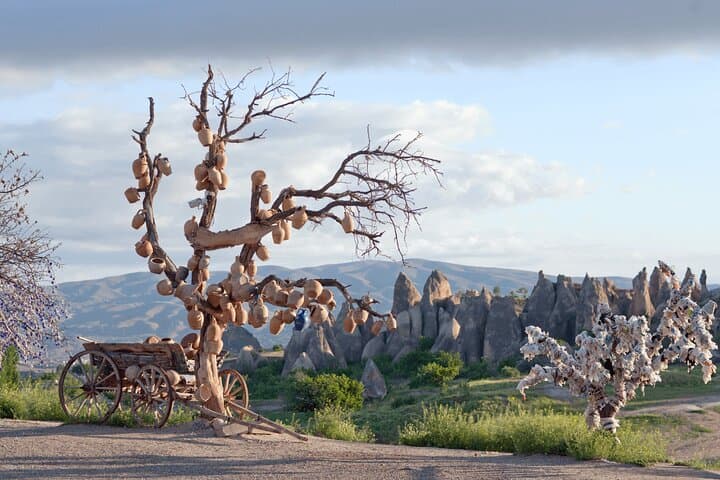
Uchisar Castle offers the clearest sense of topography — climb the carved stairways to stand with the whole region beneath your feet and watch hot-air balloons lift like patient thoughts. Love Valley frames a different mood: slender spires leaning into the sky like rakes. In Pasabag the mushroom-shaped chimneys appear deliberate, almost staged; here, the human habit of hollowing dwellings into rock feels intimate. Zelve’s open-air museum records centuries of continuous habitation, a human geography of caves, chapels and cellars. Avanos closes the day with clay and water: the Kızılırmak River and pottery workshops that trace technique back to Hittite times.
Practical guide: the full-day itinerary runs roughly 5–8 hours and includes short to moderate walks on uneven ground and stone steps. Wear sturdy shoes and bring a refillable water bottle; shade is limited between stops. Pickup from Göreme-area hotels is typically included — expect a 60-minute window before departure. Lunch and museum fees are often covered depending on your chosen option; confirm whether the museum pass is included if you select the without-museum variant.
Timing matters. Sunrise and early morning deliver the balloon-filled sky; late afternoon softens the stone for photography and eases the heat in summer. Guides are local and often bilingual, offering context on pottery traditions in Avanos and the region’s monastic past. If you want a quieter visit, schedule the Red Tour early in your Cappadocia stay so you can follow up on favorite spots independently. Finally, respect fragile formations: stay on marked paths and avoid climbing on delicate chimneys — the landscape is both ancient and fragile, and it’s waiting for the next travelers to read its layers.