THE ADVENTURE COLLECTIVE® · Independent discovery and booking for outdoor travel

Taste five award-winning estates across Paarl, Stellenbosch and Franschhoek on a full-day guided tour. This itinerary blends cellar education, regional history and a traditional lunch with chocolate and biltong pairings.
Taste five award-winning estates across Paarl, Stellenbosch and Franschhoek on a full-day guided tour. This itinerary blends cellar education, regional history and a traditional lunch with chocolate and biltong pairings.
A morning fog lifts off the vineyards as the minivan eases onto the Huguenot route, grape rows aligning like neat paragraphs of local history. You step out at the first estate, cellar cool against the late-sun warmth, and the guide explains how granite outcrops and the Cape Fold Belt shape tannin and minerality here.
Verified experiences and guided adventures in the surrounding area.
Operated by Cape To Grape Wine Tours · Stellenbosch, Western Cape
A morning fog lifts off the vineyards as the minivan eases onto the Huguenot route, grape rows aligning like neat paragraphs of local history. You step out at the first estate, cellar cool against the late-sun warmth, and the guide explains how granite outcrops and the Cape Fold Belt shape tannin and minerality here.
The Cape Winelands trace back to Dutch and French Huguenot settlers of the 17th and 18th centuries; their vines adapted to a Mediterranean climate of wet winters and dry summers. Paarl’s bold granite domes and Stellenbosch’s river-cut valleys produce different acidities and varietal strengths, while Franschhoek’s sheltered bowl focuses Chardonnay and Méthode Cap Classique.
Tastings move with rhythm: an educational cellar tour, structured tastings of award-winning estates, a biltong-and-cheese stop, then a traditional lunch and chocolate-pairing in Stellenbosch. Culture is on the plate and in the language—Afrikaans and Cape Dutch architecture sit beside contemporary tasting rooms.
Practical side: expect about nine hours door-to-door with moderate walking on flat to gently sloping surfaces and short cellar stairs. Bring government ID (minimum age 18), a refillable water bottle, sun protection and comfortable shoes. Pace tastings, ask about sustainable practices at estates, and plan transport—this is a day to taste, not to drive home.
Timing your visit around late summer and early autumn brings harvest energy; winter brings quieter cellars. The trip is both sensory and educational, pairing landscape, geology and centuries of winemaking into one accessible day tour.
easy.
9 hours.
Suitable for all fitness levels; requires standing for tastings and short walks up cellar steps.
Yes — the itinerary includes wine tastings at multiple estates and a traditional lunch as listed in the tour inclusions.
Yes — hotel pickup in Cape Town is included; confirm your pickup point when booking and expect a manual confirmation from the operator.
Yes — the minimum drinking age is 18 and you must carry valid ID to participate in tastings.
Vegetarian and other dietary requests are accommodated if advised at time of booking; inform the operator of allergies or restrictions in advance.
Vine cultivation in the Cape began with Dutch settlers and expanded when French Huguenots arrived in the late 1600s, bringing vine varieties and cellar techniques that shaped regional styles.
Many estates now follow water-wise irrigation and organic or biodynamic practices; support certified farms and follow estate rules to minimize trampling and litter.
Cape To Grape Wine Tours operates guided outdoor trips and adventures with an emphasis on safety, stewardship, and memorable experiences.

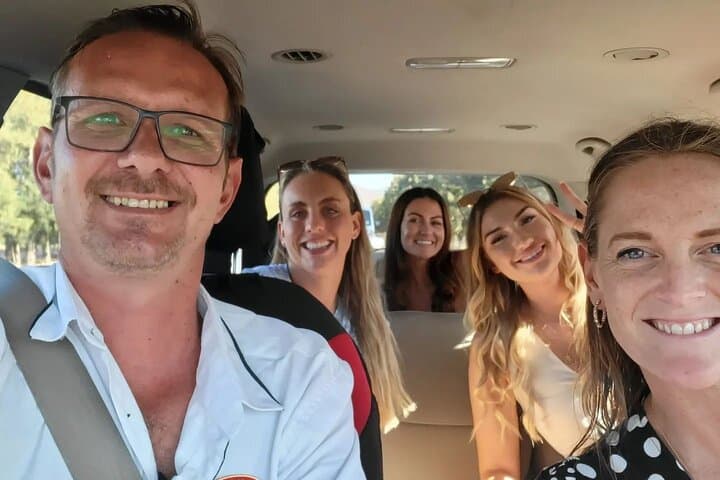


A morning fog lifts off the vineyards as the minivan eases onto the Huguenot route, grape rows aligning like neat paragraphs of local history. You step out at the first estate, cellar cool against the late-sun warmth, and the guide explains how granite outcrops and the Cape Fold Belt shape tannin and minerality here.
A morning fog lifts off the vineyards as the minivan eases onto the Huguenot route, grape rows aligning like neat paragraphs of local history. You step out at the first estate, cellar cool against the late-sun warmth, and the guide explains how granite outcrops and the Cape Fold Belt shape tannin and minerality here.
The Cape Winelands trace back to Dutch and French Huguenot settlers of the 17th and 18th centuries; their vines adapted to a Mediterranean climate of wet winters and dry summers. Paarl’s bold granite domes and Stellenbosch’s river-cut valleys produce different acidities and varietal strengths, while Franschhoek’s sheltered bowl focuses Chardonnay and Méthode Cap Classique.
Tastings move with rhythm: an educational cellar tour, structured tastings of award-winning estates, a biltong-and-cheese stop, then a traditional lunch and chocolate-pairing in Stellenbosch. Culture is on the plate and in the language—Afrikaans and Cape Dutch architecture sit beside contemporary tasting rooms.
Practical side: expect about nine hours door-to-door with moderate walking on flat to gently sloping surfaces and short cellar stairs. Bring government ID (minimum age 18), a refillable water bottle, sun protection and comfortable shoes. Pace tastings, ask about sustainable practices at estates, and plan transport—this is a day to taste, not to drive home.
Timing your visit around late summer and early autumn brings harvest energy; winter brings quieter cellars. The trip is both sensory and educational, pairing landscape, geology and centuries of winemaking into one accessible day tour.