THE ADVENTURE COLLECTIVE® · Independent discovery and booking for outdoor travel

Spend a day circling Cape Town’s signature sights: a wind-swept cable car ride up Table Mountain, close-up views of African penguins at Boulders Beach, and the cliff-strewn panoramas of Cape Point — finished with one of the world’s most scenic coastal drives.
Spend a day circling Cape Town’s signature sights: a wind-swept cable car ride up Table Mountain, close-up views of African penguins at Boulders Beach, and the cliff-strewn panoramas of Cape Point — finished with one of the world’s most scenic coastal drives.
The morning starts in the city, where Cape Town's flat-topped mountain looms like a perfectly shaved plateau against a pale Atlantic sky. A short drive from the Two Oceans Aquarium deposits you at the foot of Table Mountain and, within minutes, a rotating cable car caps you up onto the summit. The city shrinks below — the Waterfront and harbor shimmer, Signal Hill and Lion’s Head saddle the skyline, and far out, Robben Island hangs like an object in the ocean.
Verified experiences and guided adventures in the surrounding area.
Operated by The Tour ist · Cape Town, Western Cape
The morning starts in the city, where Cape Town's flat-topped mountain looms like a perfectly shaved plateau against a pale Atlantic sky. A short drive from the Two Oceans Aquarium deposits you at the foot of Table Mountain and, within minutes, a rotating cable car caps you up onto the summit. The city shrinks below — the Waterfront and harbor shimmer, Signal Hill and Lion’s Head saddle the skyline, and far out, Robben Island hangs like an object in the ocean.
From the high, clean air and sandstone ledges of Table Mountain the geology of the Cape Peninsula becomes legible: a hard, ice-age-resistant Table Mountain Sandstone layer sitting over older, eroded shale and folded Cape Granite. By midday the tour winds its way south along the coastline toward Simon’s Town and Boulders Beach. There, African penguins shuffle between granite boulders and tidal pools, indifferent to cameras but accustomed to boardwalks that keep visitors at a respectful distance. The small naval town of Simon’s Town carries a naval and colonial history visible in its architecture and harbor life.
Cape Point Nature Reserve brings a different register: wind-honed cliffs, fynbos that smells resinous in the sun, and viewpoints where the ocean seems to pull itself apart. Mariners of the 15th and 16th centuries feared these rocks; the Diaz and Cape Point lighthouses are reminders of a time when shipwrecks were common and navigation was an act of faith. Chapman's Peak Drive returns you toward the city on a carved cliff road with sweeping ocean arcs and engineered viewpoints built into granite buttresses.
Practicalities matter on a day like this. The full loop is eight hours with most stops offering 30–120 minutes; the operator includes entrance fees and the Table Mountain cableway ticket, but optional extras — like the Cape Point funicular — cost extra. Clothing strategy is simple: layers. The summit can be gusty and cool even when it’s warm at sea level. Comfortable walking shoes handle boardwalks and short rocky paths; bring sunscreen, a refillable water bottle and a small daypack for snacks and a wind layer.
Timing and logistics: pickups begin near the Two Oceans Aquarium fifteen minutes before departure; traffic along the peninsula can add time, so morning departures maximize daylight at each stop. Respect wildlife rules at Boulders Beach — no feeding, no touching — and give baboons and seals a wide berth at Cape Point. For photographers, late afternoon light along Chapman’s Peak and the cliffs of Cape Point is especially flattering.
This is a day of geological drama, working coastal roads and intimate wildlife encounters — a concentrated introduction to what makes the Cape Peninsula a compelling, sometimes raw, corner of South Africa.
easy.
8 hours.
Suitable for travelers in basic to moderate fitness; most movement is short walks and boardwalks.
Yes — Table Mountain cableway tickets and Cape Point Nature Reserve entrance are included in the tour price as listed.
The tour is about eight hours; pickup starts near the Two Oceans Aquarium hop-on hop-off bus stop, with the driver waiting 15 minutes before departure.
Yes — the itinerary includes set stops at Boulders Beach, Cape Point and Table Mountain with time for short walks and viewing, as specified in the schedule.
Generally yes — the itinerary involves short, low-impact walks; however travelers with significant mobility, heart or spinal issues should avoid strenuous sections or discuss needs with the operator.
If the cableway or reserve is closed for safety, the operator will adjust the itinerary where possible or cancel that portion; weather-related cancellations follow the stated refund policy.
No — meals and optional extras like the Cape Point funicular are not included; bring snacks or plan to buy food at reserve kiosks or Simon’s Town.
Cape Point’s lighthouses and surrounding waters retain a long maritime history; Portuguese and Dutch explorers charted these hazardous headlands in the 15th–17th centuries.
The penguin colony and Cape Point Reserve are managed with strict visitor controls to prevent disturbance; adhere to boardwalks and regulations to minimize impact.
The Tour ist operates guided outdoor trips and adventures with an emphasis on safety, stewardship, and memorable experiences.
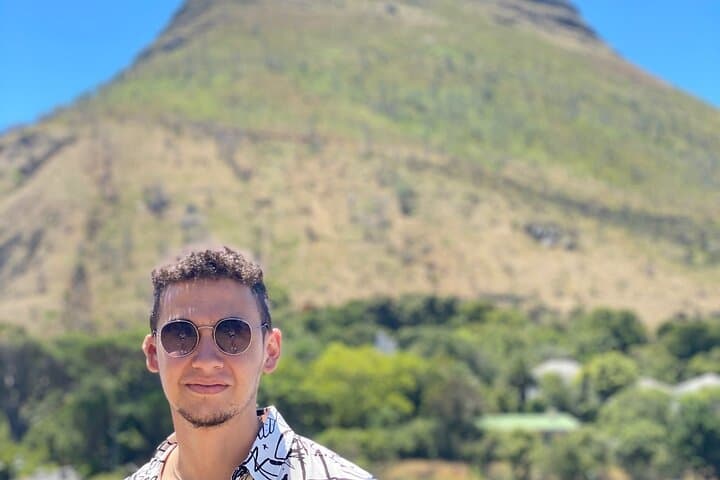
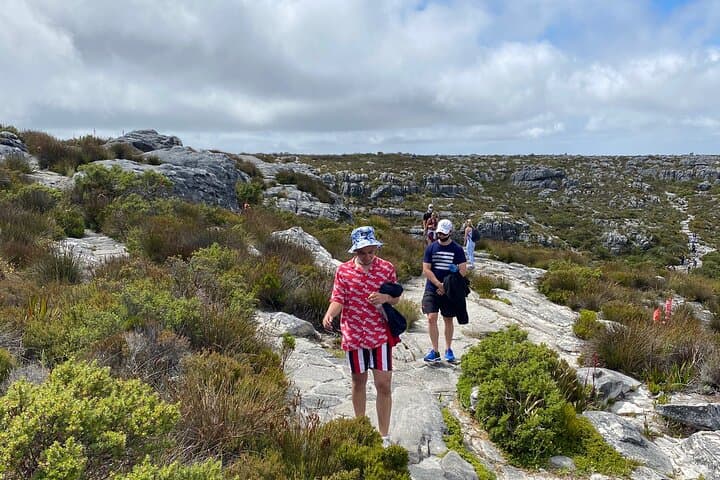
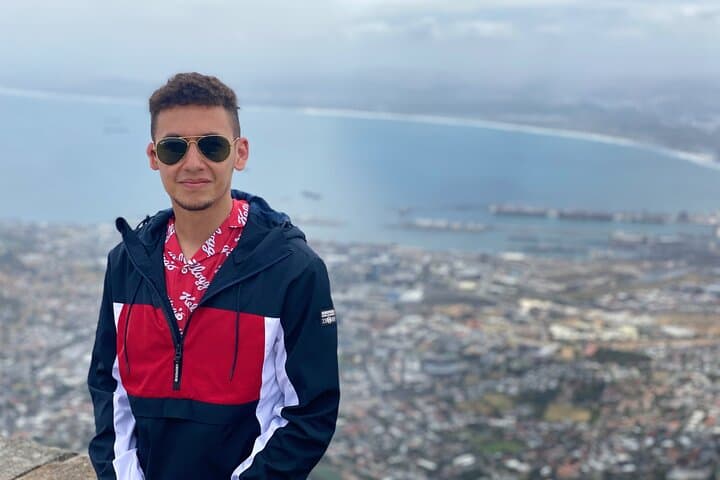
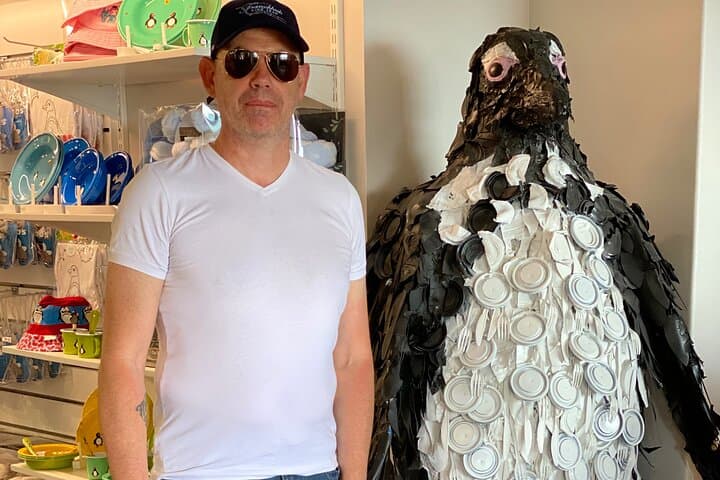
The morning starts in the city, where Cape Town's flat-topped mountain looms like a perfectly shaved plateau against a pale Atlantic sky. A short drive from the Two Oceans Aquarium deposits you at the foot of Table Mountain and, within minutes, a rotating cable car caps you up onto the summit. The city shrinks below — the Waterfront and harbor shimmer, Signal Hill and Lion’s Head saddle the skyline, and far out, Robben Island hangs like an object in the ocean.
The morning starts in the city, where Cape Town's flat-topped mountain looms like a perfectly shaved plateau against a pale Atlantic sky. A short drive from the Two Oceans Aquarium deposits you at the foot of Table Mountain and, within minutes, a rotating cable car caps you up onto the summit. The city shrinks below — the Waterfront and harbor shimmer, Signal Hill and Lion’s Head saddle the skyline, and far out, Robben Island hangs like an object in the ocean.
From the high, clean air and sandstone ledges of Table Mountain the geology of the Cape Peninsula becomes legible: a hard, ice-age-resistant Table Mountain Sandstone layer sitting over older, eroded shale and folded Cape Granite. By midday the tour winds its way south along the coastline toward Simon’s Town and Boulders Beach. There, African penguins shuffle between granite boulders and tidal pools, indifferent to cameras but accustomed to boardwalks that keep visitors at a respectful distance. The small naval town of Simon’s Town carries a naval and colonial history visible in its architecture and harbor life.
Cape Point Nature Reserve brings a different register: wind-honed cliffs, fynbos that smells resinous in the sun, and viewpoints where the ocean seems to pull itself apart. Mariners of the 15th and 16th centuries feared these rocks; the Diaz and Cape Point lighthouses are reminders of a time when shipwrecks were common and navigation was an act of faith. Chapman's Peak Drive returns you toward the city on a carved cliff road with sweeping ocean arcs and engineered viewpoints built into granite buttresses.
Practicalities matter on a day like this. The full loop is eight hours with most stops offering 30–120 minutes; the operator includes entrance fees and the Table Mountain cableway ticket, but optional extras — like the Cape Point funicular — cost extra. Clothing strategy is simple: layers. The summit can be gusty and cool even when it’s warm at sea level. Comfortable walking shoes handle boardwalks and short rocky paths; bring sunscreen, a refillable water bottle and a small daypack for snacks and a wind layer.
Timing and logistics: pickups begin near the Two Oceans Aquarium fifteen minutes before departure; traffic along the peninsula can add time, so morning departures maximize daylight at each stop. Respect wildlife rules at Boulders Beach — no feeding, no touching — and give baboons and seals a wide berth at Cape Point. For photographers, late afternoon light along Chapman’s Peak and the cliffs of Cape Point is especially flattering.
This is a day of geological drama, working coastal roads and intimate wildlife encounters — a concentrated introduction to what makes the Cape Peninsula a compelling, sometimes raw, corner of South Africa.