THE ADVENTURE COLLECTIVE® · Independent discovery and booking for outdoor travel

Spend a full day moving from Robben Island’s history to the windswept cliffs of Cape Point and the playful African penguins at Boulders Beach. This guided loop combines geology, wildlife and South Africa’s living history in a single, photo-ready day.
Spend a full day moving from Robben Island’s history to the windswept cliffs of Cape Point and the playful African penguins at Boulders Beach. This guided loop combines geology, wildlife and South Africa’s living history in a single, photo-ready day.
A ferry cleaves the harbor at first light and the V&A Waterfront loosens its grip on you—salt air and gull cries replace car horns. This full-day Cape Town loop begins with a harbor departure toward Robben Island, where the flat, wind-buffed rock holds a small museum and the cell where Nelson Mandela spent years. Later the road unfurls south along the Atlantic, climbing the dramatic escarpments of Chapman's Peak, dropping down to white-sand coves at Clifton and Camps Bay, and finally delivering you to the wind-scoured promontory of Cape Point and a tuxedoed procession of African penguins at Boulders Beach.
Verified experiences and guided adventures in the surrounding area.
Operated by Matadi Africa And Travel Tours · Cape Town, Western Cape
A ferry cleaves the harbor at first light and the V&A Waterfront loosens its grip on you—salt air and gull cries replace car horns. This full-day Cape Town loop begins with a harbor departure toward Robben Island, where the flat, wind-buffed rock holds a small museum and the cell where Nelson Mandela spent years. Later the road unfurls south along the Atlantic, climbing the dramatic escarpments of Chapman's Peak, dropping down to white-sand coves at Clifton and Camps Bay, and finally delivering you to the wind-scoured promontory of Cape Point and a tuxedoed procession of African penguins at Boulders Beach.
Geology and history are on quick display here: table mountain’s sandstone spine fell into steep cliffs that stare down the Atlantic, creating wild, wave-cut shores and dramatic lookout points. Robben Island’s quarried limestone and wind-polished surfaces mirror a darker human history—the island’s prison is a living reminder of South Africa’s apartheid past and the long arc toward democracy. The Cape Peninsula has always been a crossroads—seafarers, scientists and horticulturalists have left traces, from Kirstenbosch’s curated collection of fynbos to the old naval buildings in Simon's Town.
Culturally, the day is a collage: Cape Malay spice in a Constantia kitchen, fishermen’s boats in Hout Bay, and the seaside suburb bustle of Camps Bay with its cafés and palm-lined strip. Local guides often point out smaller stories—a WWII pillbox at a pass, a shipwreck off the headland, or the odd sculpted memorial tucked on a cliff—which together deepen the sense of place.
Practical guidance is straightforward. Book Robben Island seats in advance—ferry capacity is limited and tours sell out, especially in high season. Expect a lot of walking on uneven surfaces and short, brisk climbs at viewpoints; bring comfortable shoes and windproof layers. The route runs all day (about 8–9 hours); the operator provides air-conditioned transport and onboard Wi‑Fi, but bring water, snacks and a charged camera. Timing matters: morning light favors the eastern shore and Robben Island photos; late afternoon softens the cliffs and brings long shadows along Chapman's Peak. Be prepared for strong sea breezes at Cape Point and watch for shade and sun exposure on open lookouts.
This tour stitches together natural drama and national memory—penguins that shuffle confidently on granite beaches, seals barking from offshore rocks, and a ferry that crosses the same stretch of water that once carried prisoners to isolation. For travelers who want one full, varied day to feel the scale of the Cape and understand a crucial chapter of South Africa’s story, this is an efficient and vivid introduction.
easy.
8–9 hours.
Suitable for travelers who can stand and walk short distances, navigate steps, and endure a full day of touring.
Robben Island admission is included in the itinerary but availability is limited—confirm your booked ferry time with the operator in advance.
The operator lists wheelchair-accessible transport and facilities, but Robben Island’s museum and some lookout points have uneven surfaces; check specifics when booking.
Swimming is possible at beaches like Clifton and Camps Bay but currents can be strong—follow local signage and lifeguard advice.
Yes, the itinerary usually includes a lunch stop in Simon’s Town or a nearby village; you can also bring snacks for the van.
Expect several 10–40 minute drives between points—Chapman’s Peak and Hout Bay are short drives, while the return via Constantia can take longer in traffic.
Golden hour—early morning or late afternoon—offers the best light for cliffs, while Robben Island photos are best from the morning ferry.
Robben Island served as a political prison during apartheid; visiting the museum and cell where Nelson Mandela was held connects the landscape to South Africa’s struggle for democracy.
The African penguin population has declined due to overfishing and habitat pressures—respect viewing rules and support local conservation efforts like the Cape Penguin rehabilitation projects.
Matadi Africa And Travel Tours operates guided outdoor trips and adventures with an emphasis on safety, stewardship, and memorable experiences.
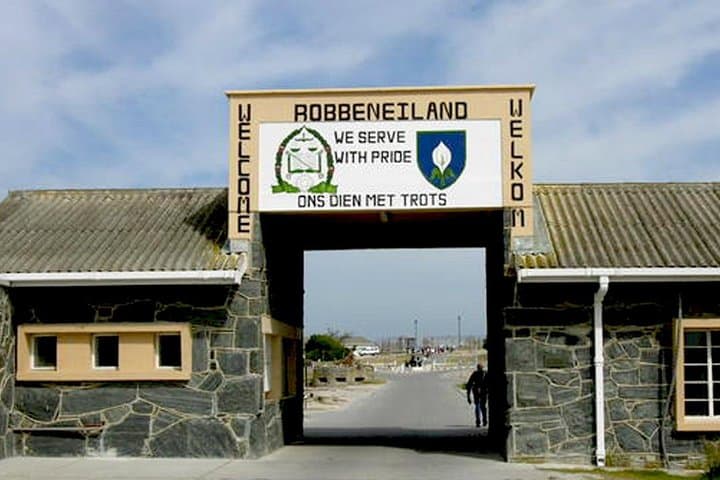
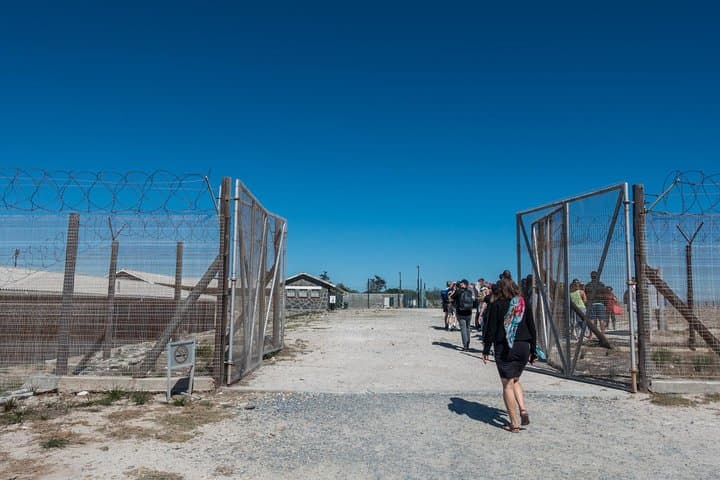
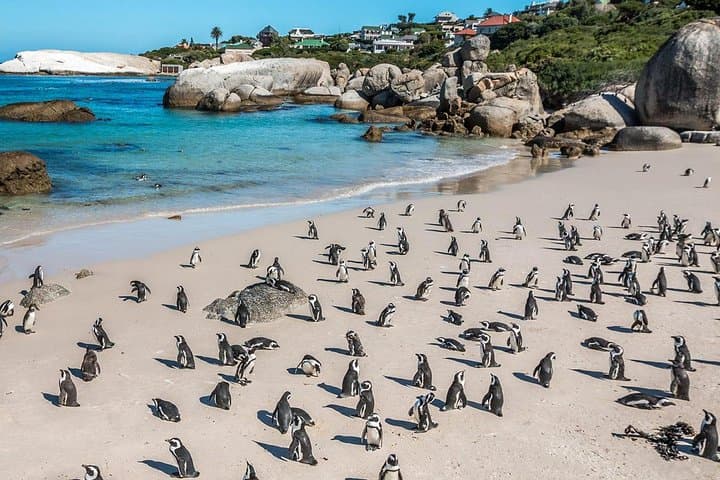
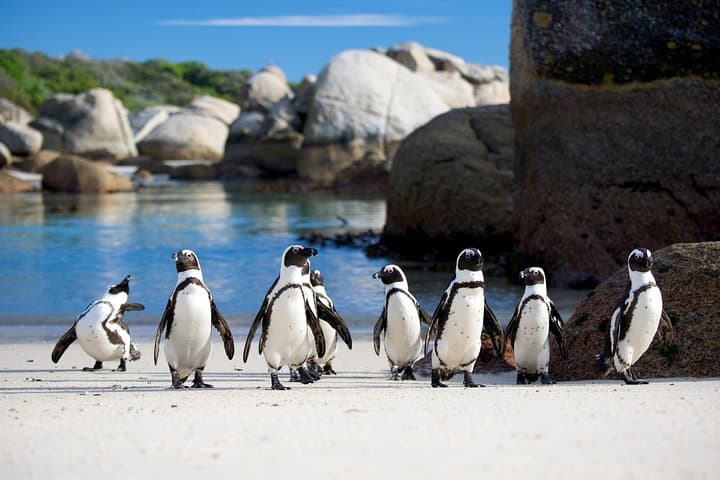
A ferry cleaves the harbor at first light and the V&A Waterfront loosens its grip on you—salt air and gull cries replace car horns. This full-day Cape Town loop begins with a harbor departure toward Robben Island, where the flat, wind-buffed rock holds a small museum and the cell where Nelson Mandela spent years. Later the road unfurls south along the Atlantic, climbing the dramatic escarpments of Chapman's Peak, dropping down to white-sand coves at Clifton and Camps Bay, and finally delivering you to the wind-scoured promontory of Cape Point and a tuxedoed procession of African penguins at Boulders Beach.
A ferry cleaves the harbor at first light and the V&A Waterfront loosens its grip on you—salt air and gull cries replace car horns. This full-day Cape Town loop begins with a harbor departure toward Robben Island, where the flat, wind-buffed rock holds a small museum and the cell where Nelson Mandela spent years. Later the road unfurls south along the Atlantic, climbing the dramatic escarpments of Chapman's Peak, dropping down to white-sand coves at Clifton and Camps Bay, and finally delivering you to the wind-scoured promontory of Cape Point and a tuxedoed procession of African penguins at Boulders Beach.
Geology and history are on quick display here: table mountain’s sandstone spine fell into steep cliffs that stare down the Atlantic, creating wild, wave-cut shores and dramatic lookout points. Robben Island’s quarried limestone and wind-polished surfaces mirror a darker human history—the island’s prison is a living reminder of South Africa’s apartheid past and the long arc toward democracy. The Cape Peninsula has always been a crossroads—seafarers, scientists and horticulturalists have left traces, from Kirstenbosch’s curated collection of fynbos to the old naval buildings in Simon's Town.
Culturally, the day is a collage: Cape Malay spice in a Constantia kitchen, fishermen’s boats in Hout Bay, and the seaside suburb bustle of Camps Bay with its cafés and palm-lined strip. Local guides often point out smaller stories—a WWII pillbox at a pass, a shipwreck off the headland, or the odd sculpted memorial tucked on a cliff—which together deepen the sense of place.
Practical guidance is straightforward. Book Robben Island seats in advance—ferry capacity is limited and tours sell out, especially in high season. Expect a lot of walking on uneven surfaces and short, brisk climbs at viewpoints; bring comfortable shoes and windproof layers. The route runs all day (about 8–9 hours); the operator provides air-conditioned transport and onboard Wi‑Fi, but bring water, snacks and a charged camera. Timing matters: morning light favors the eastern shore and Robben Island photos; late afternoon softens the cliffs and brings long shadows along Chapman's Peak. Be prepared for strong sea breezes at Cape Point and watch for shade and sun exposure on open lookouts.
This tour stitches together natural drama and national memory—penguins that shuffle confidently on granite beaches, seals barking from offshore rocks, and a ferry that crosses the same stretch of water that once carried prisoners to isolation. For travelers who want one full, varied day to feel the scale of the Cape and understand a crucial chapter of South Africa’s story, this is an efficient and vivid introduction.