THE ADVENTURE COLLECTIVE® · Independent discovery and booking for outdoor travel

A full-day canyoning trip an hour and a half from Porto takes beginners down river gorges with swims, natural slides, and short descents. Small-group instruction, provided gear, and lunch make this a practical introduction to canyoning in northern Portugal.
A full-day canyoning trip an hour and a half from Porto takes beginners down river gorges with swims, natural slides, and short descents. Small-group instruction, provided gear, and lunch make this a practical introduction to canyoning in northern Portugal.
The day opens with a stretch of highway and then a sudden descent into granite valleys where water has been carving steps for millennia. Participants step out of the transfer van, tighten helmets, and follow a guide toward a narrow river throat; moss-slick boulders and plunge pools wait, the current daring you forward. The rhythm is a mix of walking, swimming across emerald lagoons, and confident steps down natural slides and small abseils.
Verified experiences and guided adventures in the surrounding area.
Operated by Nómadas, Turismo de Aventura Lda · Arouca, Aveiro
The day opens with a stretch of highway and then a sudden descent into granite valleys where water has been carving steps for millennia. Participants step out of the transfer van, tighten helmets, and follow a guide toward a narrow river throat; moss-slick boulders and plunge pools wait, the current daring you forward. The rhythm is a mix of walking, swimming across emerald lagoons, and confident steps down natural slides and small abseils.
This landscape sits on the northern edge of Portugal's ancient schist and granite zone, where glacial and fluvial forces created steep gorges and clean, cold streams. Local villages have long used these rivers for milling and seasonal washing; today the canyoning route threads modern safety gear through a geology shaped by ice and time. Guides often share regional nuggets—Arouca's slate roofs, rivers that once powered small industries, and the quieter, rural life a short drive from Porto.
Practically, the trip is designed for beginners: expect four hours of active time with several short swims and low- to moderate-angle descents. Operators provide helmets, harnesses, and wetsuits; bring a swimsuit, quick-dry layers, and a lightweight dry bag. Footwear with a grippy sole and ankle support makes steps on wet rock steadier. Hydrate before the start, layer for changing temperatures, and listen to the safety briefing—group size is small to minimize environmental impact and keep instruction hands-on.
By midday the river's sound becomes companionable; by afternoon the group emerges with mud on calves, a practiced slide technique, and a clearer sense of how water continues to shape northern Portugal.
moderate.
4 hours.
Suitable for people in reasonable fitness who can walk on uneven terrain, handle short swims, and tolerate repeated climbs and descents.
No—this trip is aimed at beginners and includes on-route instruction, safety briefings, and guided progress through each section.
Yes—participants should be comfortable swimming short distances and floating in river water; life vests are typically provided for safety.
Guides usually supply helmets, harnesses, wetsuits, and bottled water; check the operator list but bring your own shoes and a dry bag.
Expect repeated short hikes, scrambling over wet rock, several swims, and occasional low abseils; a moderate fitness level is recommended.
Rivers in this part of northern Portugal powered small mills and shaped agrarian settlements; sections now used for adventure owe their form to long-term fluvial erosion across schist and granite.
Operators typically limit group size and follow Leave No Trace practices; avoid contaminating pools with sunscreen and respect closed areas to protect spawning fish and riparian plants.
Nómadas, Turismo de Aventura Lda operates guided outdoor trips and adventures with an emphasis on safety, stewardship, and memorable experiences.
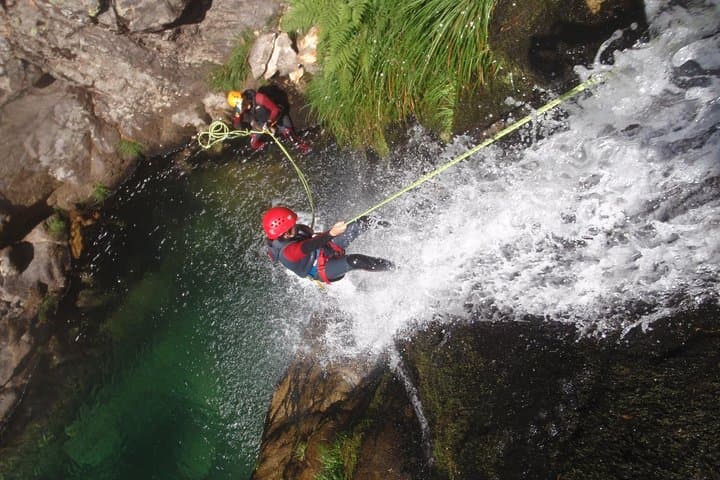
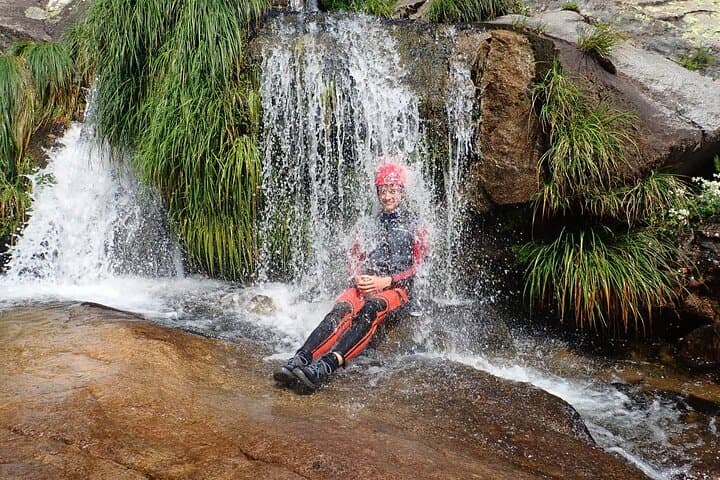
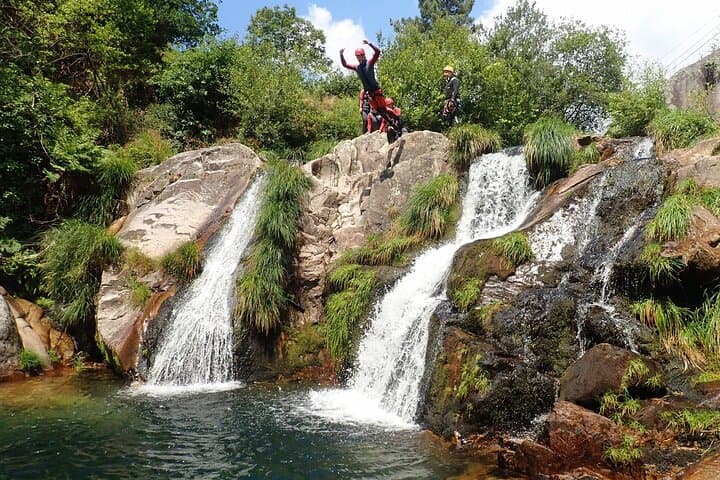
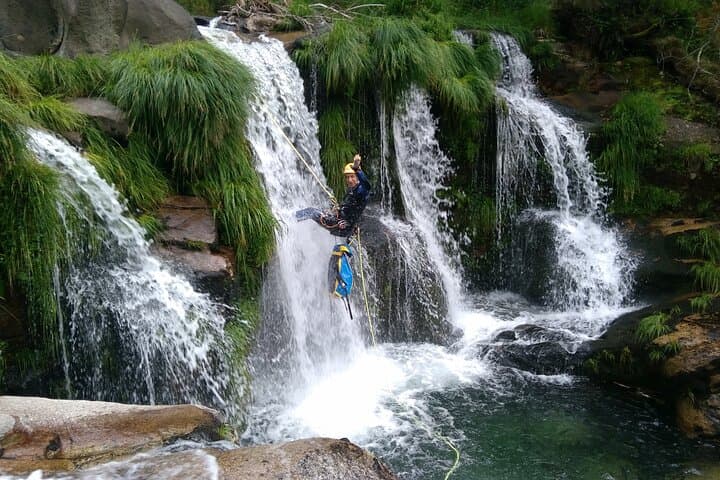
The day opens with a stretch of highway and then a sudden descent into granite valleys where water has been carving steps for millennia. Participants step out of the transfer van, tighten helmets, and follow a guide toward a narrow river throat; moss-slick boulders and plunge pools wait, the current daring you forward. The rhythm is a mix of walking, swimming across emerald lagoons, and confident steps down natural slides and small abseils.
The day opens with a stretch of highway and then a sudden descent into granite valleys where water has been carving steps for millennia. Participants step out of the transfer van, tighten helmets, and follow a guide toward a narrow river throat; moss-slick boulders and plunge pools wait, the current daring you forward. The rhythm is a mix of walking, swimming across emerald lagoons, and confident steps down natural slides and small abseils.
This landscape sits on the northern edge of Portugal's ancient schist and granite zone, where glacial and fluvial forces created steep gorges and clean, cold streams. Local villages have long used these rivers for milling and seasonal washing; today the canyoning route threads modern safety gear through a geology shaped by ice and time. Guides often share regional nuggets—Arouca's slate roofs, rivers that once powered small industries, and the quieter, rural life a short drive from Porto.
Practically, the trip is designed for beginners: expect four hours of active time with several short swims and low- to moderate-angle descents. Operators provide helmets, harnesses, and wetsuits; bring a swimsuit, quick-dry layers, and a lightweight dry bag. Footwear with a grippy sole and ankle support makes steps on wet rock steadier. Hydrate before the start, layer for changing temperatures, and listen to the safety briefing—group size is small to minimize environmental impact and keep instruction hands-on.
By midday the river's sound becomes companionable; by afternoon the group emerges with mud on calves, a practiced slide technique, and a clearer sense of how water continues to shape northern Portugal.