THE ADVENTURE COLLECTIVE® · Independent discovery and booking for outdoor travel

Ride across rolling Sahara dunes from Douz on a full-day camel trek that includes hotel pickup, lunch and tea. Expect long saddle hours, shifting light, and hands-on cultural moments with local guides.
Ride across rolling Sahara dunes from Douz on a full-day camel trek that includes hotel pickup, lunch and tea. Expect long saddle hours, shifting light, and hands-on cultural moments with local guides.
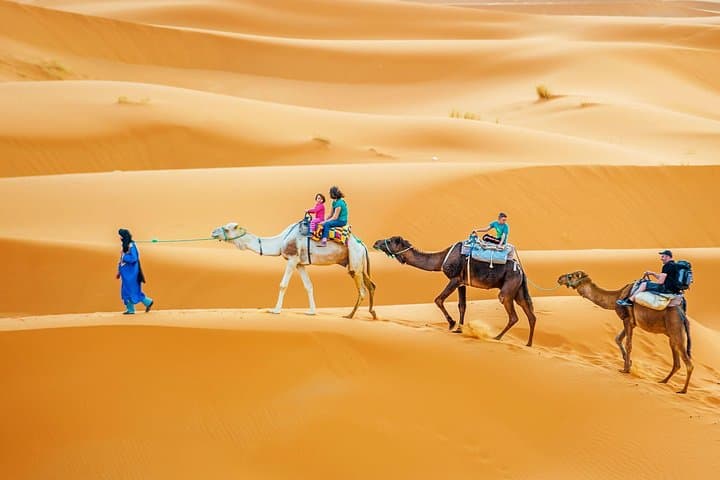
You mount a tamed hump and the desert rearranges the world: the camel’s slow sway sets the pace, dune ridgelines fold and unfold like pages, and the only sound is padded footsteps and an occasional wind rasp. By midmorning the sun scours the sand bright; by late afternoon the wind sculpts crisp shadows that push along the slope of each dune. The landscape feels alive—dunes breathe, wind insists, and the sky keeps an economy of clouds.
Verified experiences and guided adventures in the surrounding area.
Operated by SAHARANSKY · Douz, Kebili Governorate
You mount a tamed hump and the desert rearranges the world: the camel’s slow sway sets the pace, dune ridgelines fold and unfold like pages, and the only sound is padded footsteps and an occasional wind rasp. By midmorning the sun scours the sand bright; by late afternoon the wind sculpts crisp shadows that push along the slope of each dune. The landscape feels alive—dunes breathe, wind insists, and the sky keeps an economy of clouds.
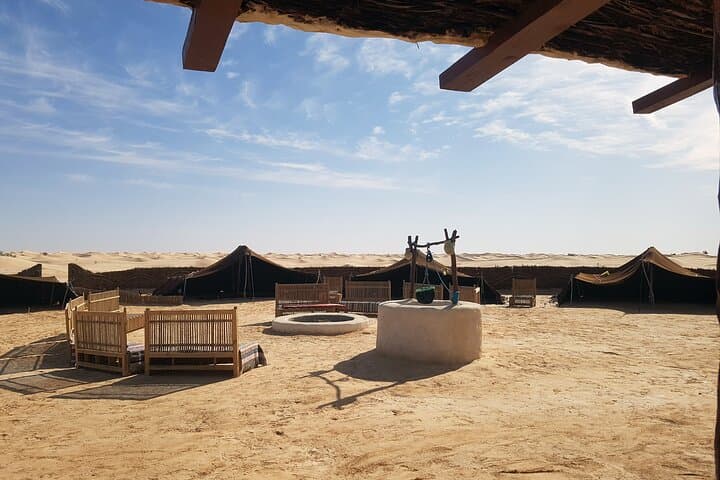
This route starts at Douz, historically a caravan gateway on trans-Saharan trade routes where dates, salt and stories moved through. Geologically you’re in an erg: wide seas of wind-blown sand with occasional interdunal plains and palm oases that mark groundwater. Culturally the area is shaped by Saharan Berber and Bedouin traditions—tea rituals, woven blankets, and oral song that still greet visitors. Local hospitality is practical: shade, a shared lunch, and strong coffee or tea to steady chilled mornings and rinsed afternoons.
Practical details are straightforward. The full-day tour includes hotel pickup in Douz, bottled water, lunch and hot drinks; camels and guides are provided. Expect long, slow hours seated on a camel, short walking breaks, and changing temperatures—hot midday, cool early and late. Bring layered clothing, sun protection, a hydration system and modest footwear for loose sand. Aim to travel in spring or fall to avoid peak heat; schedule sunrise or late-afternoon stretches for softer light and calmer winds. Respect local customs, follow your guide’s route to protect fragile dunes, and carry out all waste. This is an uncomplicated way to step into the Sahara’s scale and history without technical skill, but with plenty of desert rhythm to absorb.
easy.
12 hours.
Suitable for people in average physical condition who can ride for long periods and mount/dismount a camel; no technical fitness required
This is a full-day experience (approximately 12 hours) that typically includes hotel pickup and drop-off in Douz, a camel to ride, bottled water, lunch and tea or coffee.
Yes; guides use domesticated camels and offer brief instruction—however long seated periods and mounting/dismounting require basic mobility and following the guide’s directions.
Breathable long sleeves, loose pants, a hat, sunscreen, and closed-toe shoes; bring a lightweight layer for cool morning/evening temperatures.
Policies vary by operator; children usually must sit on laps or follow age rules and you should disclose any mobility issues or weight concerns at booking.
Douz grew as a caravan hub on trans-Saharan trade routes; its markets and date groves reflect centuries of desert commerce and migration.
The Sahara’s dunes are fragile—stick to established routes, avoid disturbing vegetation, pack out trash, and support local guides to sustain community livelihoods.
SAHARANSKY operates guided outdoor trips and adventures with an emphasis on safety, stewardship, and memorable experiences.
You mount a tamed hump and the desert rearranges the world: the camel’s slow sway sets the pace, dune ridgelines fold and unfold like pages, and the only sound is padded footsteps and an occasional wind rasp. By midmorning the sun scours the sand bright; by late afternoon the wind sculpts crisp shadows that push along the slope of each dune. The landscape feels alive—dunes breathe, wind insists, and the sky keeps an economy of clouds.
You mount a tamed hump and the desert rearranges the world: the camel’s slow sway sets the pace, dune ridgelines fold and unfold like pages, and the only sound is padded footsteps and an occasional wind rasp. By midmorning the sun scours the sand bright; by late afternoon the wind sculpts crisp shadows that push along the slope of each dune. The landscape feels alive—dunes breathe, wind insists, and the sky keeps an economy of clouds.
This route starts at Douz, historically a caravan gateway on trans-Saharan trade routes where dates, salt and stories moved through. Geologically you’re in an erg: wide seas of wind-blown sand with occasional interdunal plains and palm oases that mark groundwater. Culturally the area is shaped by Saharan Berber and Bedouin traditions—tea rituals, woven blankets, and oral song that still greet visitors. Local hospitality is practical: shade, a shared lunch, and strong coffee or tea to steady chilled mornings and rinsed afternoons.
Practical details are straightforward. The full-day tour includes hotel pickup in Douz, bottled water, lunch and hot drinks; camels and guides are provided. Expect long, slow hours seated on a camel, short walking breaks, and changing temperatures—hot midday, cool early and late. Bring layered clothing, sun protection, a hydration system and modest footwear for loose sand. Aim to travel in spring or fall to avoid peak heat; schedule sunrise or late-afternoon stretches for softer light and calmer winds. Respect local customs, follow your guide’s route to protect fragile dunes, and carry out all waste. This is an uncomplicated way to step into the Sahara’s scale and history without technical skill, but with plenty of desert rhythm to absorb.