THE ADVENTURE COLLECTIVE® · Independent discovery and booking for outdoor travel

Spend a full day exploring Cajas National Park’s glacial lakes, Polylepis groves and paramo at high elevation. This guided loop from Cuenca mixes easy boardwalks, rugged tussock country and cultural viewpoints such as 3 Cruces.
Spend a full day exploring Cajas National Park’s glacial lakes, Polylepis groves and paramo at high elevation. This guided loop from Cuenca mixes easy boardwalks, rugged tussock country and cultural viewpoints such as 3 Cruces.
You step out of the van into thin, bright air and the landscape opens: low, wind-sculpted grasses sweep toward scattered, glassy tarns that catch a cold sky. The 3 Cruces viewpoint rings with wind and wide sightlines — here the continental watershed threads through valleys and the Andes fold away to the west.
Verified experiences and guided adventures in the surrounding area.
Operated by Polylepis Tours · Cuenca, Azuay
You step out of the van into thin, bright air and the landscape opens: low, wind-sculpted grasses sweep toward scattered, glassy tarns that catch a cold sky. The 3 Cruces viewpoint rings with wind and wide sightlines — here the continental watershed threads through valleys and the Andes fold away to the west.
Cajas National Park sits 30 km west of Cuenca, spanning 2,8544 hectares between roughly 3,160 and 4,450 meters. Its dozens of glacial lakes were carved by ice in the last glaciation; the paramo above 3,500 m is a grassy, peat-rich ecosystem punctuated by Polylepis woodlands that host rare birds. Local communities have long used high passes for religious processions—3 Cruces retains cultural importance—and small valleys like Llaviuco feed the Tomebamba River that runs down to Cuenca.
On a guided full-day loop you’ll visit viewpoints, walk the Toreadora trails at about 3,960 m amid ponds and peat bogs, and descend briefly to Llaviuco’s montane forest. Expect sightings of llamas and alpacas, waterfowl, and Andean birds; the terrain alternates between boggy boardwalks, firm gravel paths, and steeper short pitches.
Practical notes: acclimatize in Cuenca, wear waterproof boots with good tread, layer for wind and sun, carry 2–3 liters of water and snacks, and set a steady pace to reduce altitude effects. Photography windows change fast—clear mornings and late afternoons offer the best light. Follow your guide’s route to protect fragile páramo peat and enjoy a high-Andean day that balances scenery, natural history, and manageable alpine hiking.
moderate.
7–8 hours.
Moderate fitness: able to walk 8–10 km over uneven terrain with short steep sections at high altitude.
The tour lasts about 7–8 hours with roughly 3 hours of guided walking in the Toreadora area over mixed terrain; total travel time includes transfers from Cuenca.
Children aged 6 and up can join, but be mindful of altitude—choose participants who tolerate high-elevation activity and move at a steady pace.
Expect llamas and alpacas near grazing areas, Andean waterfowl on the lakes, and passerine birds in Polylepis patches; sightings depend on season and weather.
Yes—transport from Cuenca and a local lunch are included in standard options; vegetarian meals are available if requested when booking.
The park’s passes have been used historically by highland communities and 3 Cruces holds local religious significance; lakes and wetlands played roles in traditional water management.
The páramo is fragile—peat soils store carbon and recover slowly; stick to trails, avoid disturbing wildlife, and follow guide instructions to protect sensitive bogs.
Polylepis Tours operates guided outdoor trips and adventures with an emphasis on safety, stewardship, and memorable experiences.
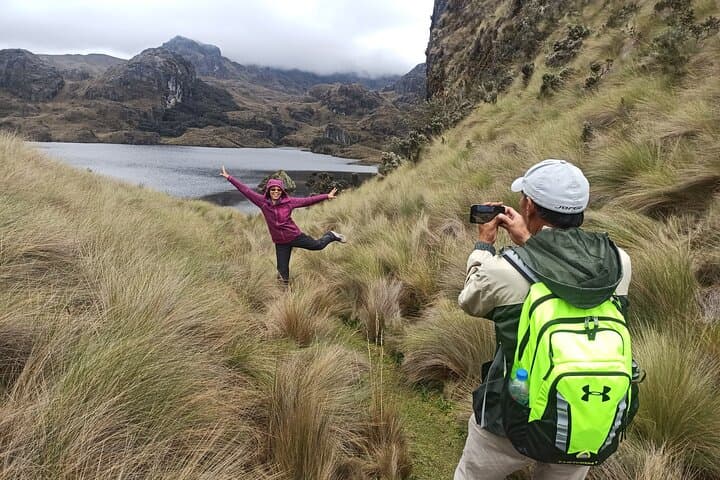
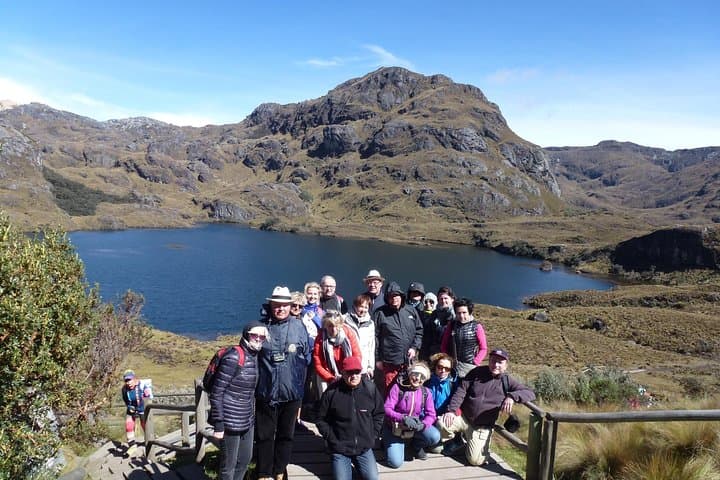
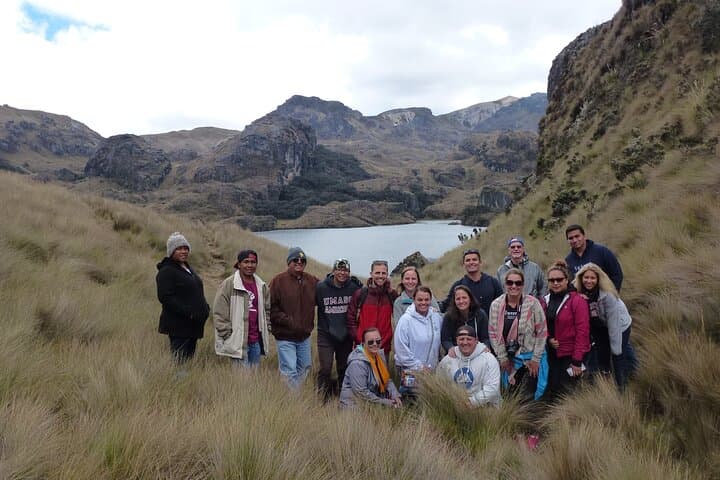
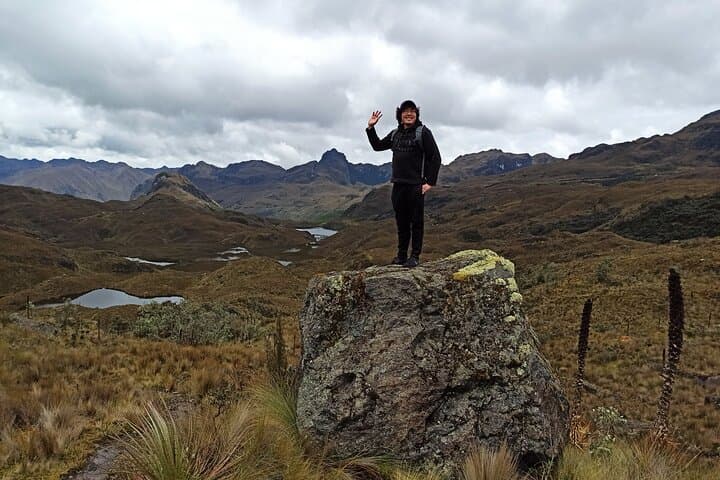
You step out of the van into thin, bright air and the landscape opens: low, wind-sculpted grasses sweep toward scattered, glassy tarns that catch a cold sky. The 3 Cruces viewpoint rings with wind and wide sightlines — here the continental watershed threads through valleys and the Andes fold away to the west.
You step out of the van into thin, bright air and the landscape opens: low, wind-sculpted grasses sweep toward scattered, glassy tarns that catch a cold sky. The 3 Cruces viewpoint rings with wind and wide sightlines — here the continental watershed threads through valleys and the Andes fold away to the west.
Cajas National Park sits 30 km west of Cuenca, spanning 2,8544 hectares between roughly 3,160 and 4,450 meters. Its dozens of glacial lakes were carved by ice in the last glaciation; the paramo above 3,500 m is a grassy, peat-rich ecosystem punctuated by Polylepis woodlands that host rare birds. Local communities have long used high passes for religious processions—3 Cruces retains cultural importance—and small valleys like Llaviuco feed the Tomebamba River that runs down to Cuenca.
On a guided full-day loop you’ll visit viewpoints, walk the Toreadora trails at about 3,960 m amid ponds and peat bogs, and descend briefly to Llaviuco’s montane forest. Expect sightings of llamas and alpacas, waterfowl, and Andean birds; the terrain alternates between boggy boardwalks, firm gravel paths, and steeper short pitches.
Practical notes: acclimatize in Cuenca, wear waterproof boots with good tread, layer for wind and sun, carry 2–3 liters of water and snacks, and set a steady pace to reduce altitude effects. Photography windows change fast—clear mornings and late afternoons offer the best light. Follow your guide’s route to protect fragile páramo peat and enjoy a high-Andean day that balances scenery, natural history, and manageable alpine hiking.