THE ADVENTURE COLLECTIVE® · Independent discovery and booking for outdoor travel

Make the long drive from Hurghada to Cairo worth the effort: a guided day trip delivers the Egyptian Museum’s treasures and up-close time on the Giza Plateau with lunch and airport-style transfers. Plan for an early start, plenty of sun, and a very full day of history.
Make the long drive from Hurghada to Cairo worth the effort: a guided day trip delivers the Egyptian Museum’s treasures and up-close time on the Giza Plateau with lunch and airport-style transfers. Plan for an early start, plenty of sun, and a very full day of history.
The bus slips out of Hurghada before dawn and the desert stretches like a slow-moving current, sand and highway conspiring to push you toward the Nile valley. By midmorning you stand on the Giza Plateau: limestone underfoot, the three great pyramids rising like engineered mountains against a sharp sky, and the Sphinx watching the plain with an unblinking gaze.
Verified experiences and guided adventures in the surrounding area.
Operated by New City Travel · Giza, Cairo Governorate
The bus slips out of Hurghada before dawn and the desert stretches like a slow-moving current, sand and highway conspiring to push you toward the Nile valley. By midmorning you stand on the Giza Plateau: limestone underfoot, the three great pyramids rising like engineered mountains against a sharp sky, and the Sphinx watching the plain with an unblinking gaze.
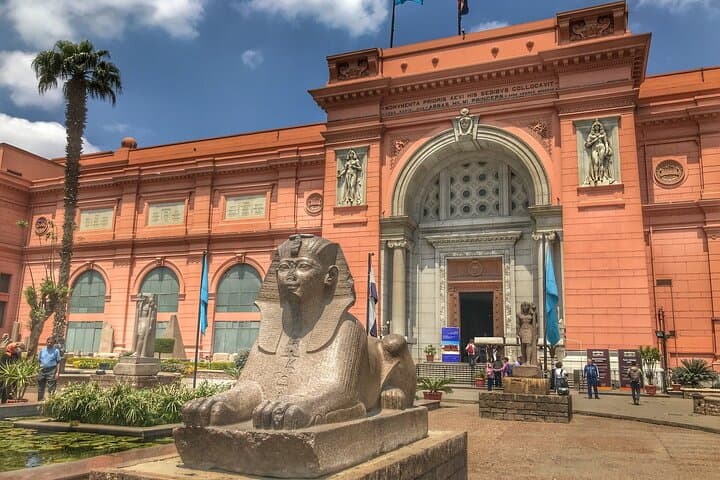
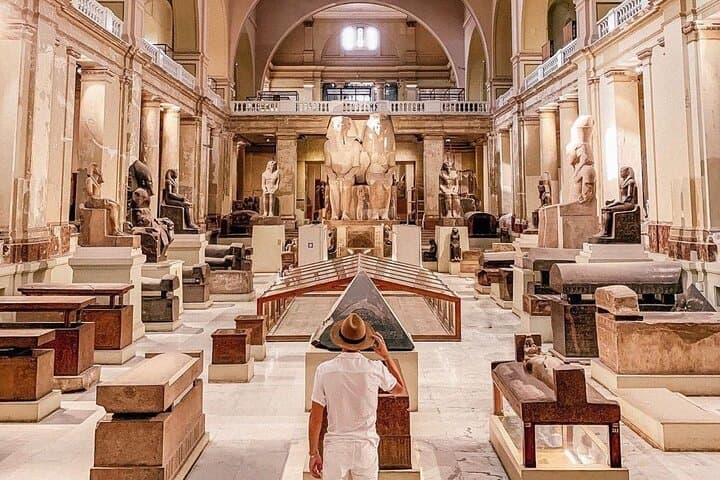
This is a day of concentrated history. The Egyptian Museum in Tahrir houses more than 250,000 artifacts — including Tutankhamen’s gold — that map 5,000 years of dynastic Egypt. Geologically, the plateau is a fringe of Eocene limestone; ancient builders quarried those same beds to stack the massive blocks you now inspect with a guide’s commentary.
Culturally the tour moves fast: a shared lunch in an oriental restaurant, bargaining with craft sellers near the sites, and the odd camel handler offering a quick ride. Local insight: the Solar Boat Museum beside Khufu’s pyramid and the low concrete panoramic platform yield quieter viewpoints than the busiest photo spots.
Practical edge: expect a full 15-hour day with roughly 4–5 hours driving each way from Hurghada, intermittent rest stops, and limited time at each stop. Dress for strong sun and dusty wind, carry ID (passport), and bring cash for entry fees, tips, and souvenirs. Comfortable walking shoes, layered clothing for cool mornings, and plenty of water will make the long day manageable.
The rhythm is direct — long drives punctuated by moments of staggering antiquity — and it rewards travelers who want to see Egypt’s headline sights in one intensive, expertly guided day.
easy.
15 hours (full-day).
Suitable for most fitness levels but requires stamina for a long travel day and short, on-foot site visits
Entrance fees are typically not included—confirm at booking; guide commentary and transfers are provided but you should budget for tickets on-site.
Expect about 4–5 hours each way on paved highway, with scheduled rest stops; the full itinerary is roughly a 15-hour day.
The tour notes it’s suitable for most ages but not recommended for pregnant travelers or those with serious spinal issues; check provider restrictions before booking.
Yes—there are scheduled rest stops during the drive and a lunch is included at an oriental restaurant; additional small fees may apply at roadside stops.
The Giza complex dates to the Fourth Dynasty (c. 2600–2500 BCE); Khufu’s pyramid is the oldest and largest, constructed from local limestone blocks.
Site management restricts touching and climbing to protect fragile masonry; support licensed guides and avoid buying items made from archaeological material.
New City Travel operates guided outdoor trips and adventures with an emphasis on safety, stewardship, and memorable experiences.
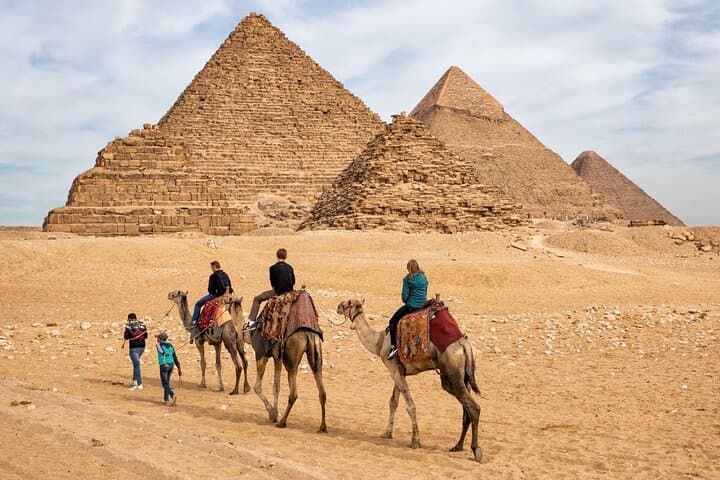
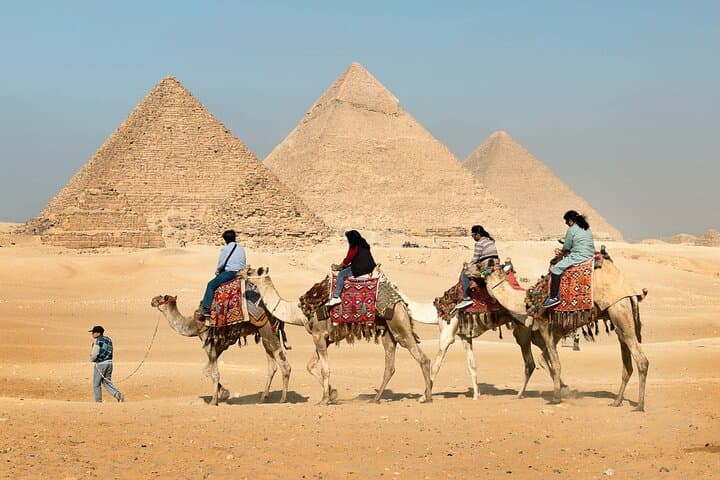
The bus slips out of Hurghada before dawn and the desert stretches like a slow-moving current, sand and highway conspiring to push you toward the Nile valley. By midmorning you stand on the Giza Plateau: limestone underfoot, the three great pyramids rising like engineered mountains against a sharp sky, and the Sphinx watching the plain with an unblinking gaze.
The bus slips out of Hurghada before dawn and the desert stretches like a slow-moving current, sand and highway conspiring to push you toward the Nile valley. By midmorning you stand on the Giza Plateau: limestone underfoot, the three great pyramids rising like engineered mountains against a sharp sky, and the Sphinx watching the plain with an unblinking gaze.
This is a day of concentrated history. The Egyptian Museum in Tahrir houses more than 250,000 artifacts — including Tutankhamen’s gold — that map 5,000 years of dynastic Egypt. Geologically, the plateau is a fringe of Eocene limestone; ancient builders quarried those same beds to stack the massive blocks you now inspect with a guide’s commentary.
Culturally the tour moves fast: a shared lunch in an oriental restaurant, bargaining with craft sellers near the sites, and the odd camel handler offering a quick ride. Local insight: the Solar Boat Museum beside Khufu’s pyramid and the low concrete panoramic platform yield quieter viewpoints than the busiest photo spots.
Practical edge: expect a full 15-hour day with roughly 4–5 hours driving each way from Hurghada, intermittent rest stops, and limited time at each stop. Dress for strong sun and dusty wind, carry ID (passport), and bring cash for entry fees, tips, and souvenirs. Comfortable walking shoes, layered clothing for cool mornings, and plenty of water will make the long day manageable.
The rhythm is direct — long drives punctuated by moments of staggering antiquity — and it rewards travelers who want to see Egypt’s headline sights in one intensive, expertly guided day.