THE ADVENTURE COLLECTIVE® · Independent discovery and booking for outdoor travel

Fly from Hurghada for a full-day immersion in Cairo’s greatest hits: the Egyptian Museum’s treasures, a local lunch, and the monumental Pyramids of Giza with the Great Sphinx. A long day, simple logistics, unforgettable history.
Fly from Hurghada for a full-day immersion in Cairo’s greatest hits: the Egyptian Museum’s treasures, a local lunch, and the monumental Pyramids of Giza with the Great Sphinx. A long day, simple logistics, unforgettable history.
The day begins before sunrise in Hurghada, a short drive to the airport and a quick flight that drops you into the pulse of Cairo. Stepping out of the terminal, the city’s heat and honk give way to an Egyptologist’s measured voice as you enter the cool, dim galleries of the Egyptian Museum. Tutankhamun’s gold and the lined faces of pharaohs set a tone of scale and time — artifacts that pull you away from the modern city into four millennia of recorded history.
Verified experiences and guided adventures in the surrounding area.
Operated by Aria tours · Cairo, Giza Governorate
The day begins before sunrise in Hurghada, a short drive to the airport and a quick flight that drops you into the pulse of Cairo. Stepping out of the terminal, the city’s heat and honk give way to an Egyptologist’s measured voice as you enter the cool, dim galleries of the Egyptian Museum. Tutankhamun’s gold and the lined faces of pharaohs set a tone of scale and time — artifacts that pull you away from the modern city into four millennia of recorded history.
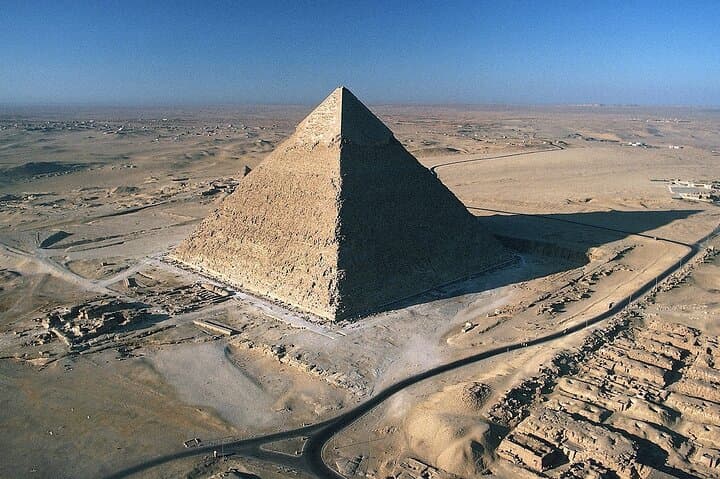
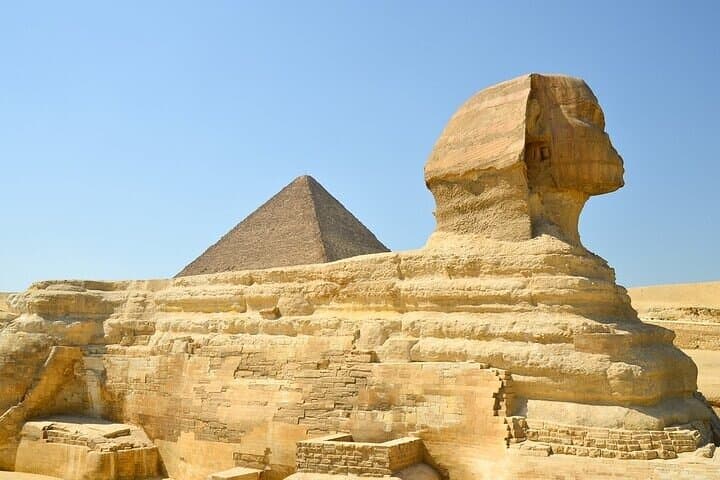
From isles of glass cases to the open sweep of the Giza Plateau, the landscape shifts from museum hush to the raw geometry of limestone blocks. The Great Pyramid looms, its joints and casing stones telling of ancient quarrying and the Nile’s role in supplying materials. The Sphinx keeps its quiet, almost conversational stance: a human gaze married to a lion’s body, eroded by wind and time yet stubbornly present.
Cultural notes: your guide frames myths, burial practices, and the colonial-era history of Egyptology while pointing out how modern Cairo threads around these monuments. Geology matters here — the plateau’s bedrock and surrounding desert explain why these sites were chosen and how they’ve endured.
Practical guidance: this is a long day (about 10 hours). Bring a valid passport, sun protection, comfortable walking shoes, and water. Expect security checks and some crowds; your included admissions and expert guide streamline access but not walking distances. Plan for photo stops and a paced visit to the museum and plateau so you leave with context as well as images.
easy.
10 hours.
Suitable for most fitness levels but requires stamina for a long day of walking and standing
Visa requirements depend on your nationality; check Egypt’s visa rules before travel and ensure your passport is valid for at least six months.
Yes — the tour includes entry to the Egyptian Museum and the Pyramids of Giza and the Sphinx as stated in the itinerary.
The scheduled flight portion is short (about 1–1.25 hours each way), but the full trip including transfers and visits takes roughly 10 hours.
The tour is listed as suitable for all fitness levels; infants must sit on an adult’s lap. Consider pace and sun exposure for young children.
The Giza pyramids date to the Fourth Dynasty (c. 2600–2500 BCE); the Egyptian Museum on Tahrir Square houses artifacts spanning ancient Egypt’s long dynastic history.
Sites face erosion and visitor pressure; follow guide directions, avoid touching monuments, and use marked paths to limit wear.
Aria tours operates guided outdoor trips and adventures with an emphasis on safety, stewardship, and memorable experiences.
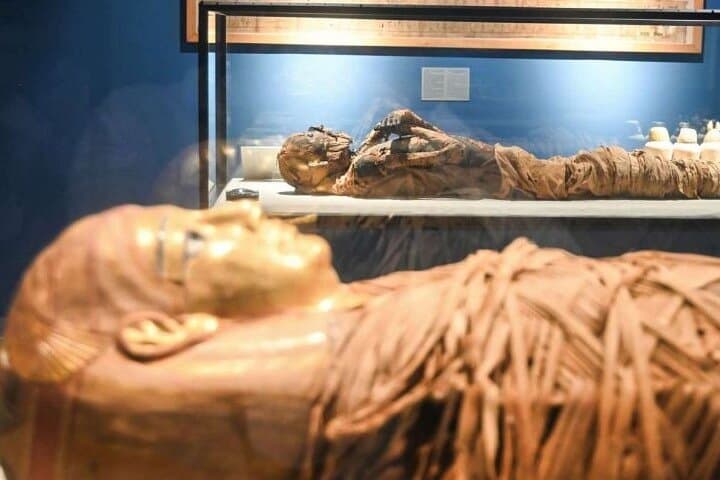
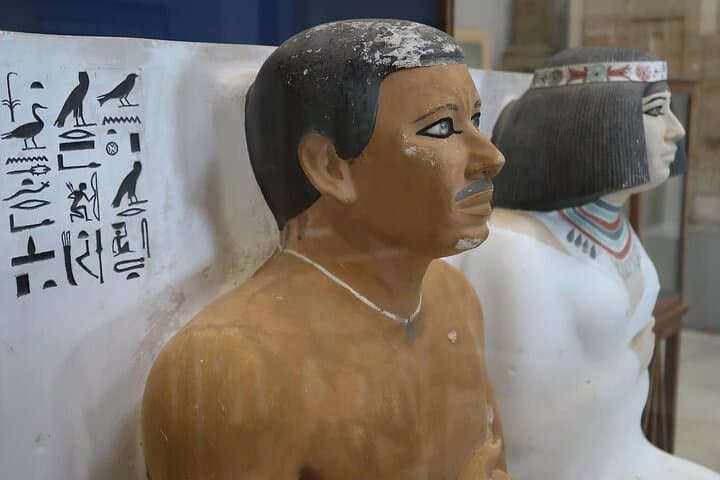
The day begins before sunrise in Hurghada, a short drive to the airport and a quick flight that drops you into the pulse of Cairo. Stepping out of the terminal, the city’s heat and honk give way to an Egyptologist’s measured voice as you enter the cool, dim galleries of the Egyptian Museum. Tutankhamun’s gold and the lined faces of pharaohs set a tone of scale and time — artifacts that pull you away from the modern city into four millennia of recorded history.
The day begins before sunrise in Hurghada, a short drive to the airport and a quick flight that drops you into the pulse of Cairo. Stepping out of the terminal, the city’s heat and honk give way to an Egyptologist’s measured voice as you enter the cool, dim galleries of the Egyptian Museum. Tutankhamun’s gold and the lined faces of pharaohs set a tone of scale and time — artifacts that pull you away from the modern city into four millennia of recorded history.
From isles of glass cases to the open sweep of the Giza Plateau, the landscape shifts from museum hush to the raw geometry of limestone blocks. The Great Pyramid looms, its joints and casing stones telling of ancient quarrying and the Nile’s role in supplying materials. The Sphinx keeps its quiet, almost conversational stance: a human gaze married to a lion’s body, eroded by wind and time yet stubbornly present.
Cultural notes: your guide frames myths, burial practices, and the colonial-era history of Egyptology while pointing out how modern Cairo threads around these monuments. Geology matters here — the plateau’s bedrock and surrounding desert explain why these sites were chosen and how they’ve endured.
Practical guidance: this is a long day (about 10 hours). Bring a valid passport, sun protection, comfortable walking shoes, and water. Expect security checks and some crowds; your included admissions and expert guide streamline access but not walking distances. Plan for photo stops and a paced visit to the museum and plateau so you leave with context as well as images.