THE ADVENTURE COLLECTIVE® · Independent discovery and booking for outdoor travel

Leave Hurghada before dawn and spend a long day exploring Cairo’s headline sites: the Egyptian Museum, Old Cairo, and the Pyramids of Giza. This full-day bus tour covers the history, geology and practical logistics for making the most of a single, intense day in Egypt’s capital.
Leave Hurghada before dawn and spend a long day exploring Cairo’s headline sites: the Egyptian Museum, Old Cairo, and the Pyramids of Giza. This full-day bus tour covers the history, geology and practical logistics for making the most of a single, intense day in Egypt’s capital.
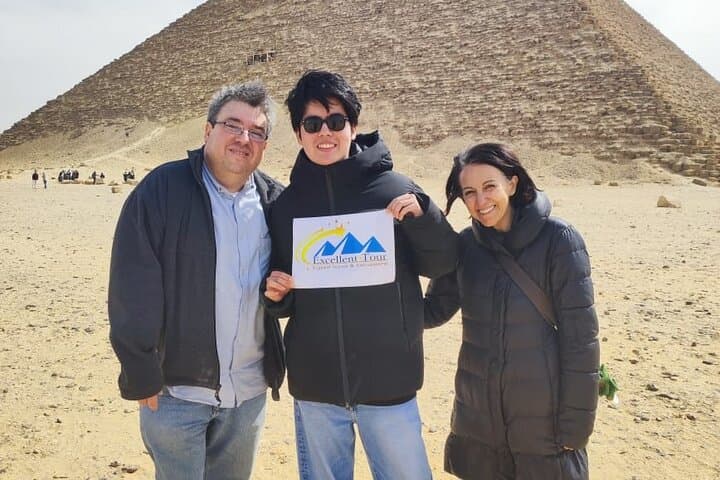
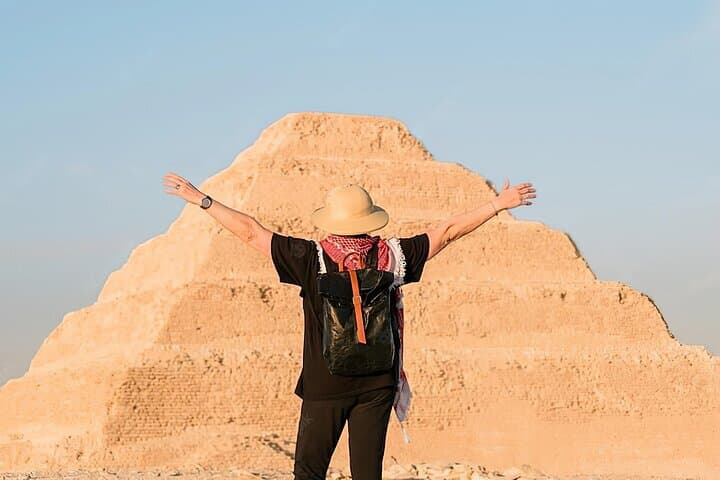
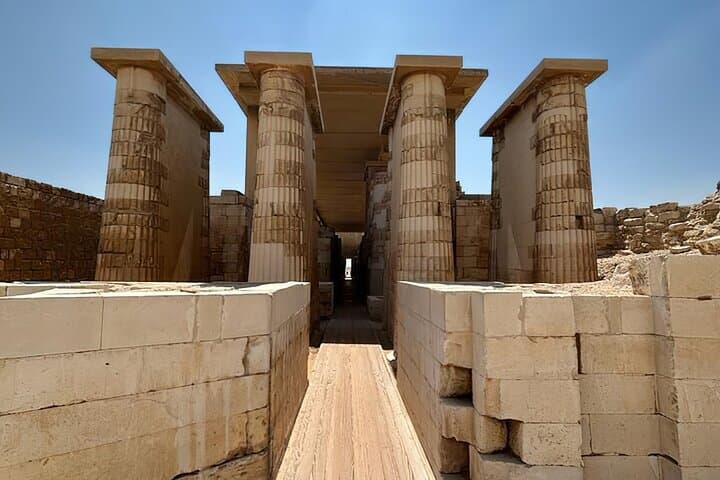
The bus eases onto the desert highway before dawn, headlights cutting a path through low dunes as the Red Sea recedes behind you and the Giza plateau pulls ahead like an ancient silhouette. By midmorning the Egyptian Museum’s stone façade rises in the city bustle; later, the Pyramids of Giza dominate the horizon, their weathered limestone faces catching late-afternoon light.
Verified experiences and guided adventures in the surrounding area.
Operated by Excellent Tour · Cairo, Cairo Governorate
The bus eases onto the desert highway before dawn, headlights cutting a path through low dunes as the Red Sea recedes behind you and the Giza plateau pulls ahead like an ancient silhouette. By midmorning the Egyptian Museum’s stone façade rises in the city bustle; later, the Pyramids of Giza dominate the horizon, their weathered limestone faces catching late-afternoon light.
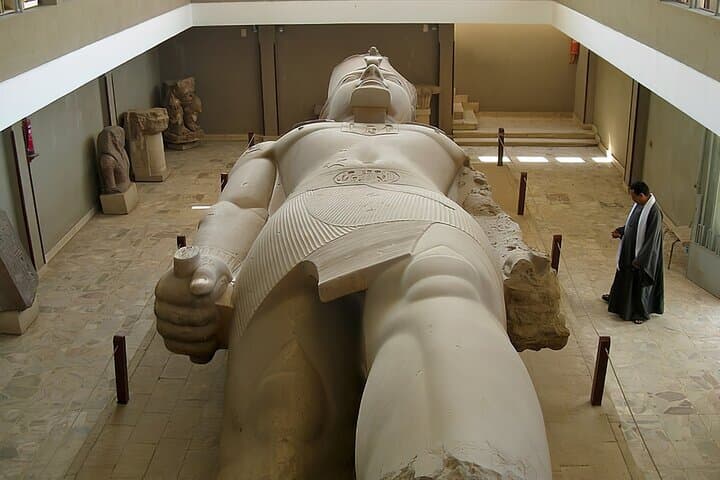
This full-day itinerary traces roughly 460 km (about 285 miles) between Hurghada and Cairo, delivering contrasting scenes: coastal resort roads, flat desert expanses, and the urban sprawl of Greater Cairo. The Egyptian Museum houses over 250,000 artifacts spanning 5,000 years, including Tutankhamun’s treasures; the Giza complex — the Great Pyramid (Cheops), Chephren, Mykerinus, the Sphinx and the Valley Temple — sits on a Jurassic limestone plateau formed when this region lay under a shallow sea.
Expect paved walkways at museum sites but uneven ancient stone and sand at the pyramids; sun and dust are constant companions. Culturally, the tour passes through layers of Egyptian life: Pharaonic relics, Coptic and Islamic Cairo in the old city, and the noise of modern markets.
Practical guidance: leave Hurghada early to maximize site time, carry original ID/passport for entry, and budget 3–4 hours on the Giza plateau to move between viewpoints. Bring a high-SPF hat, plenty of water, and comfortable walking shoes with good grip for sand and stepped stone. If you want quieter photos, target the late afternoon hour before the return drive when the light softens and tour groups begin to thin.
easy.
12–15 hours.
Suitable for most fitness levels; expect several short walks and standing periods totaling 2–4 hours of on-foot time
Yes — entrance tickets to the Egyptian Museum and the Giza Plateau are included in this tour as stated in the itinerary.
The road trip is about 460 km (285 miles) each way; expect total travel time around 4–5 hours one way depending on stops and traffic.
The tour is described as physically easy and suitable for all fitness levels, but it involves long travel and some walking at sites — consider mobility needs and rest breaks.
General access to the pyramid interior varies and often requires a separate ticket or limit; the Sphinx is viewed from outside and you cannot enter through it.
The Giza pyramids date to the Fourth Dynasty (c. 2600–2500 BCE); Cairo’s museum collections span Pharaonic through Coptic and Islamic periods, reflecting continuous urban history.
High foot traffic stresses fragile monuments and museum artifacts; follow barriers, avoid touching ancient stonework and support licensed guides and local conservation fees when available.
Excellent Tour operates guided outdoor trips and adventures with an emphasis on safety, stewardship, and memorable experiences.
The bus eases onto the desert highway before dawn, headlights cutting a path through low dunes as the Red Sea recedes behind you and the Giza plateau pulls ahead like an ancient silhouette. By midmorning the Egyptian Museum’s stone façade rises in the city bustle; later, the Pyramids of Giza dominate the horizon, their weathered limestone faces catching late-afternoon light.
The bus eases onto the desert highway before dawn, headlights cutting a path through low dunes as the Red Sea recedes behind you and the Giza plateau pulls ahead like an ancient silhouette. By midmorning the Egyptian Museum’s stone façade rises in the city bustle; later, the Pyramids of Giza dominate the horizon, their weathered limestone faces catching late-afternoon light.
This full-day itinerary traces roughly 460 km (about 285 miles) between Hurghada and Cairo, delivering contrasting scenes: coastal resort roads, flat desert expanses, and the urban sprawl of Greater Cairo. The Egyptian Museum houses over 250,000 artifacts spanning 5,000 years, including Tutankhamun’s treasures; the Giza complex — the Great Pyramid (Cheops), Chephren, Mykerinus, the Sphinx and the Valley Temple — sits on a Jurassic limestone plateau formed when this region lay under a shallow sea.
Expect paved walkways at museum sites but uneven ancient stone and sand at the pyramids; sun and dust are constant companions. Culturally, the tour passes through layers of Egyptian life: Pharaonic relics, Coptic and Islamic Cairo in the old city, and the noise of modern markets.
Practical guidance: leave Hurghada early to maximize site time, carry original ID/passport for entry, and budget 3–4 hours on the Giza plateau to move between viewpoints. Bring a high-SPF hat, plenty of water, and comfortable walking shoes with good grip for sand and stepped stone. If you want quieter photos, target the late afternoon hour before the return drive when the light softens and tour groups begin to thin.