THE ADVENTURE COLLECTIVE® · Independent discovery and booking for outdoor travel

Make the most of a cruise stop with a private, full‑day transfer from Alexandria to Cairo: explore the Giza pyramids, take a short camel ride on the plateau, and tour the Grand Egyptian Museum with an Egyptologist guide. This concise day trip packs the highlights into a single, well‑paced itinerary with lunch and entrance fees included.
Make the most of a cruise stop with a private, full‑day transfer from Alexandria to Cairo: explore the Giza pyramids, take a short camel ride on the plateau, and tour the Grand Egyptian Museum with an Egyptologist guide. This concise day trip packs the highlights into a single, well‑paced itinerary with lunch and entrance fees included.
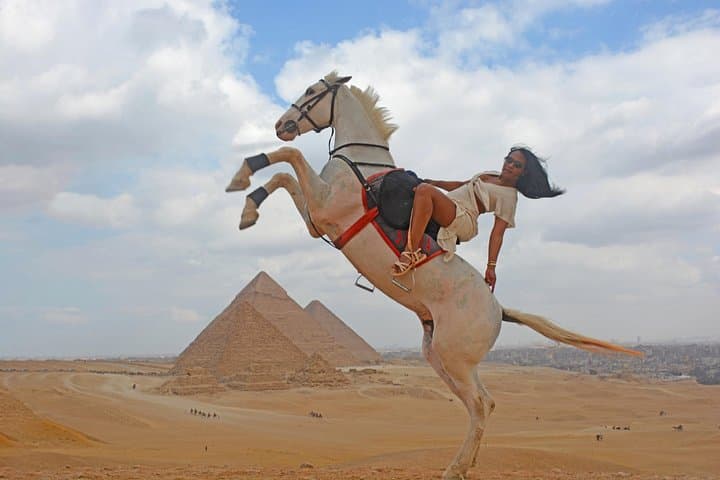
The tour begins before dawn on the desert road, windows fogging from the early drive as the skyline gives way to scrub and ochre sand. By midmorning the Giza Plateau rises out of the heat haze—stone blocks that have watched the Nile change course and empires rise fall silent. The guide steers the narrative from geology to kings: limestone beds quarried from nearby formations, mortarless construction techniques, and the human labor that lifted these monuments into place.
Verified experiences and guided adventures in the surrounding area.
Operated by Egypt Select Tours · Cairo, Cairo Governorate
The tour begins before dawn on the desert road, windows fogging from the early drive as the skyline gives way to scrub and ochre sand. By midmorning the Giza Plateau rises out of the heat haze—stone blocks that have watched the Nile change course and empires rise fall silent. The guide steers the narrative from geology to kings: limestone beds quarried from nearby formations, mortarless construction techniques, and the human labor that lifted these monuments into place.
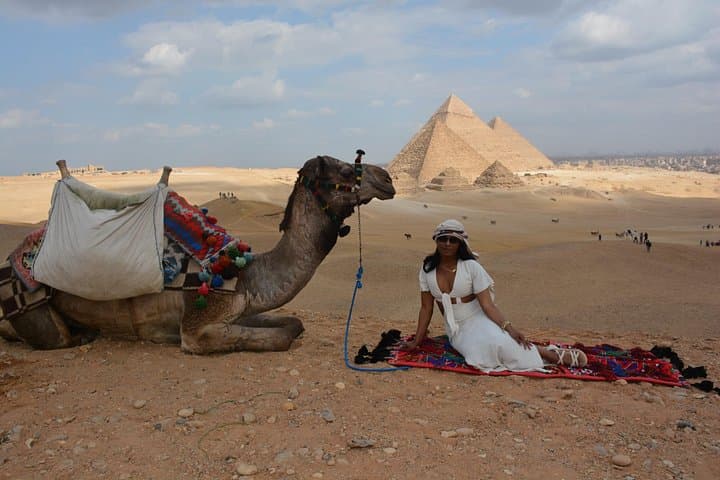
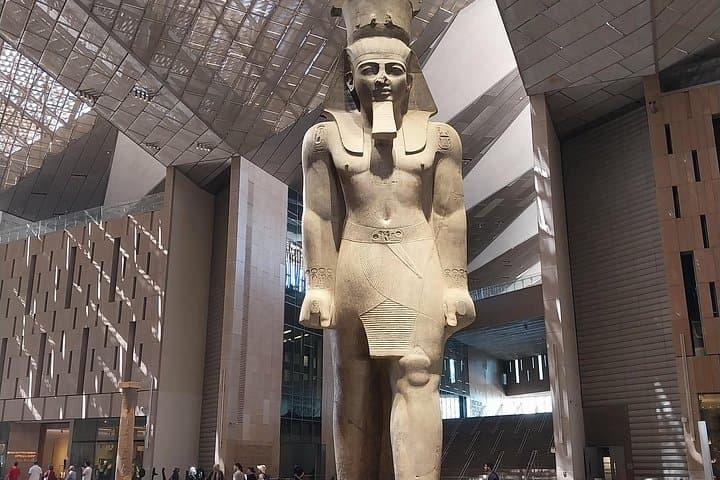
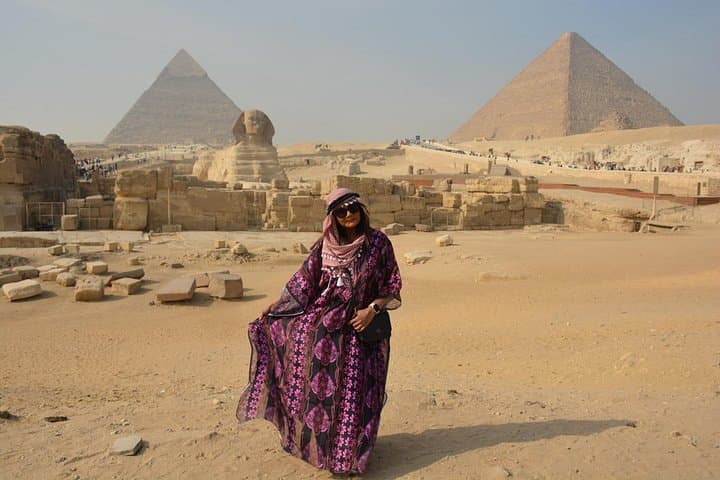
Visitors move from the Great Pyramid of Khufu to the softer lines of the Sphinx and the Valley Temple, where red granite and ancient mortuary rites meet. The camel ride offers a quick, tactile way to feel the desert’s rhythm—each sway an invitation to slow down. After a local lunch, the Grand Egyptian Museum presents a controlled contrast: climate‑controlled halls, the vast statue of Ramesses II, and the concentrated splendor of Tutankhamun’s gold and regalia.
Expect about 12 hours total including a three‑hour one‑way transfer from Alexandria, and prepare for uneven footing at archaeological sites. Practical tips: carry water and sun protection, wear closed shoes for walking, and plan for security checks and queues. Photography is allowed in most outdoor areas but restricted in some museum galleries. The day stitches living Cairo to ancient funerary landscapes—history up close, but paced for travelers arriving by cruise who want maximum returns in a single, tightly scheduled day.
easy.
12 hours.
Light stamina required—suitable for most travelers who can manage multiple short walks, stairs, and a camel saddle for ~20 minutes.
The transfer typically takes about three hours each way via the desert road with at least one brief restroom/comfort stop.
Yes—this tour lists entrance fees to the Giza Plateau and Grand Egyptian Museum, plus a typical Egyptian restaurant lunch as included in the price.
The operator notes wheelchair‑accessible transportation and surfaces in some areas, but the plateau terrain and some archaeological spots have uneven ground; check specific accessibility needs in advance.
A short camel ride (about 20 minutes) is included; animals are managed by local handlers—wear long pants and hold on, and inform the guide of mobility concerns before mounting.
The Giza pyramids date to the Fourth Dynasty (~c. 2600–2500 BCE) with Khufu’s Great Pyramid as the largest; the Grand Egyptian Museum consolidates artifacts spanning Pharaonic, Greco‑Roman and later periods including extensive Tutankhamun pieces.
Sites are fragile—stay on marked paths, avoid touching exposed masonry or artifacts, and follow guide instructions; support licensed guides and avoid single‑use plastics where possible.
Egypt Select Tours operates guided outdoor trips and adventures with an emphasis on safety, stewardship, and memorable experiences.
The tour begins before dawn on the desert road, windows fogging from the early drive as the skyline gives way to scrub and ochre sand. By midmorning the Giza Plateau rises out of the heat haze—stone blocks that have watched the Nile change course and empires rise fall silent. The guide steers the narrative from geology to kings: limestone beds quarried from nearby formations, mortarless construction techniques, and the human labor that lifted these monuments into place.
The tour begins before dawn on the desert road, windows fogging from the early drive as the skyline gives way to scrub and ochre sand. By midmorning the Giza Plateau rises out of the heat haze—stone blocks that have watched the Nile change course and empires rise fall silent. The guide steers the narrative from geology to kings: limestone beds quarried from nearby formations, mortarless construction techniques, and the human labor that lifted these monuments into place.
Visitors move from the Great Pyramid of Khufu to the softer lines of the Sphinx and the Valley Temple, where red granite and ancient mortuary rites meet. The camel ride offers a quick, tactile way to feel the desert’s rhythm—each sway an invitation to slow down. After a local lunch, the Grand Egyptian Museum presents a controlled contrast: climate‑controlled halls, the vast statue of Ramesses II, and the concentrated splendor of Tutankhamun’s gold and regalia.
Expect about 12 hours total including a three‑hour one‑way transfer from Alexandria, and prepare for uneven footing at archaeological sites. Practical tips: carry water and sun protection, wear closed shoes for walking, and plan for security checks and queues. Photography is allowed in most outdoor areas but restricted in some museum galleries. The day stitches living Cairo to ancient funerary landscapes—history up close, but paced for travelers arriving by cruise who want maximum returns in a single, tightly scheduled day.